Jordan protests thrill, unnerve Palestinians
The successful protests against an income tax hike in Jordan are a source of both inspiration and worry for Palestinians, who depend on the stability of their friend and neighbor.

The weeklong protests in Jordan against an income tax bill have captured the attention of many around the world because of its organizers’ discipline and civilized approach to the Jordanian police. Palestinians of all walks of life expressed their support and admiration of the success of Jordanian youths who stopped a fuel price hike, brought down a prime minister and influenced the king to appoint a new prime minister who is favorable to their demands.
But amid the support and admiration expressed over social media and in private talks, there has also been concern over the effects of the protests on the Jordanian state.
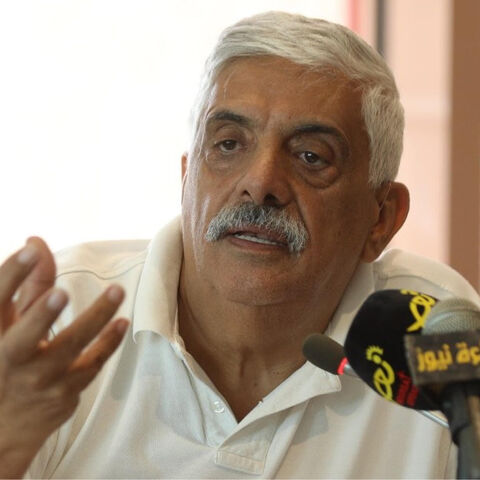
Kayed Miari, the founder of the Nablus-based Witness Center for Citizen's Rights and Social Development, told Al-Monitor that while the young Jordanians made important gains in such a short time, not everyone is celebrating. “While many are overwhelmed with what they have seen by following the protests on television, many are also genuinely worried about how these protests will end and how they will affect the stability of Jordan.”
Nahed Abo Tueima, a lecturer in gender studies at Birzeit University, told A-Monitor that the bigger worry is a revisit of the Arab Spring. “What no one wants is another disastrous Arab Spring in our neighboring Jordan. We are worried about the safety and security of Jordan and we don’t want them to experience what Syria, Libya and Egypt have experienced.”


