Why is Fatah getting cozy with Hezbollah?
A senior Fatah official recently met with Hezbollah officials in Beirut to discuss security and other developments in Palestinian refugee camps in Lebanon.
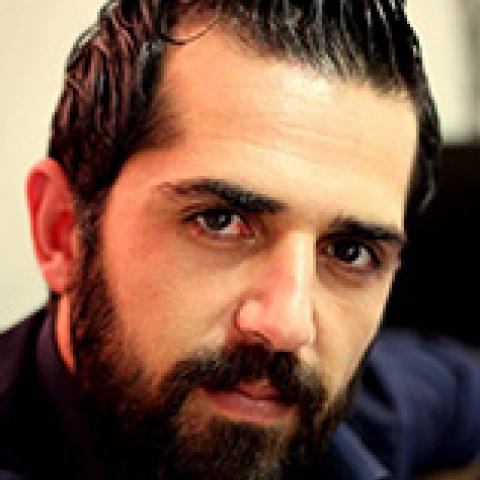

RAMALLAH, West Bank — Azzam al-Ahmad, a member of Fatah's Central Committee and the PLO's Executive Committee, held a series of meetings in mid-January in Beirut with high-ranking Lebanese officials to discuss the political situation in Palestine and the Palestinian refugees and camps in Lebanon. His meeting included visits with President Michel Aoun, parliament Speaker Nabih Berri, then-Prime Minister-designate Saad Hariri. Gen. Joseph Aoun, commander of the Lebanese Armed Forces, and Hezbollah Deputy Secretary-General Naim Qassem.
That a Fatah representative met with a Hezbollah representative in and of itself signifies an improvement in ties between the two movements. Relations between Hamas and Fatah, the leading faction in the PLO, have not been close in part because of PLO talks with Israel in US-sponsored negotiations, which Hezbollah has roundly criticized. Meanwhile, to Fatah's consternation, Hezbollah has offered its support to its rivals, Hamas and Islamic Jihad.
Fathi Abu al-Ardat, Fatah secretary-general in Lebanon and PLO representative in the country, told Al-Monitor, “We have a normal relationship with Hezbollah, and it is improving. We are both concerned about issues related to the security and stability of the refugee camps as well as protecting the civil rights of Palestinians living in them.”
According to the UN Relief and Works Agency (UNRWA), there are 483,000 registered Palestinian refugees in Lebanon, many of whom live in 12 camps spread around the country, the biggest camp being Ain al-Hilweh, in Sidon. The UNRWA figure contrasts sharply with that of the Lebanese Central Administration of Statistics, which reported 174,000 Palestinian refugees in December 2017. According to media outlets quoting Palestinian officials, the discrepancy might suggest that many camp residents have managed to move over the years.


