How an Australia extradition case threatens Netanyahu
The alleged involvement of Deputy Health Minister Yaakov Litzman in attempts to prevent the extradition to Australia of an ultra-Orthodox woman suspected of serious sexual crimes, threatens the political clout of Benjamin Netanyahu's ultra-Orthodox coalition partners.
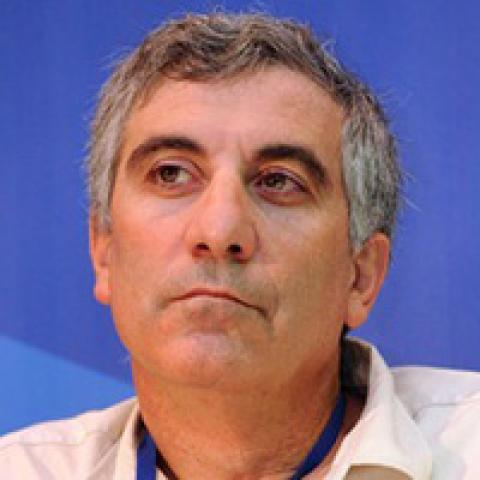

The Feb. 14 statement by the Israel Police regarding the interrogation of Deputy Health Minister Yaakov Litzman at the fraud division sent a shock wave through the leadership of the ultra-Orthodox political parties. The police suspect that Litzman’s aides approached senior psychiatrists in his name and demanded, using threats, that they write an assessment declaring Malka Leifer, former principal of a school in Melbourne, Australia, unfit to stand trial. They allegedly did so to prevent Leifer's extradition to Australia, where she is accused of sex crimes against minors. Leifer belongs to the Ger Hasidic, the largest and most influential of the ultra-Orthodox sects and in which Litzman is a leading figure.
The investigation into Litzman has shaken his status as one of the three most prominent ultra-Orthodox political leaders in Israel, and if it leads to his indictment, the case could diminish his political power and perhaps even weaken the ultra-Orthodox camp as a whole. Even more, the case could have far-reaching consequences for the April 9 elections and beyond.
Litzman is considered the most hard-line figure among the ultra-Orthodox leadership on matters of religion and state, a stance that in recent years has produced several crises for Prime Minister Benjamin Netanyahu. These included the ultra-Orthodox demanding that repair work on the rail system scheduled for the Sabbath be moved to a weekday despite the disruption it would cause for rail traffic and passengers; the ultra-Orthodox pushing a conversion law to block the recognition of conversions to Judaism by rabbis outside the Orthodox stream; and Litzman vehemently opposing an enlistment law on ultra-Orthodox serving in the military in contrast to Aryeh Deri and Moshe Gafni, his fellow leaders in the ultra-Orthodox leadership.
Following reports of Litzman's interrogation, Litzman released a statement claiming that he had only looked into a request for his help regarding Leifer and that after he received a legal opinion on the issue, he had ceased involvement in the matter.


