Iraq hopes for dilemma-less summer
Iraq’s new government faces potential problems and a cast of quirky characters.
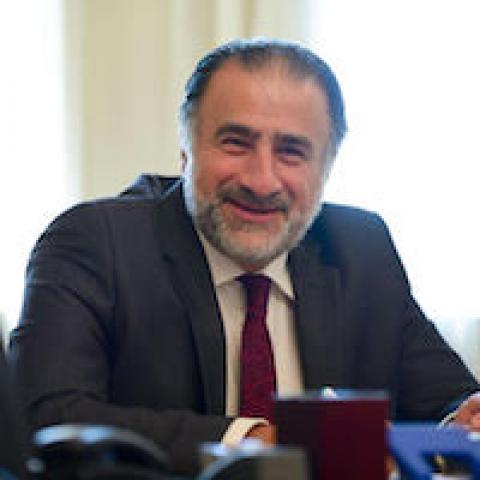

It has been six months since Baghdad formed its new government, and no major political crises have arisen. For Iraq, this is unheard of. This could be the result of the president, prime minister and parliament speaker working in harmony.
But as summer approaches, so do three potential problems: Basra’s urgent need for a reliable source of electricity, a growing opposition bloc in parliament and Baghdad’s contentious relations with the Kurdistan Regional Government (KRG).
Many political pundits predict a tough summer ahead, one similar to last summer and its deadly unrest in Basra, when demonstrations erupted over the pitiful lack of basic services such as water and electricity, and many government and political party headquarters in the city were burned down.
The problems in Basra are tied, in a way, to another issue: Iraq’s entanglement in US-Iran relations. The US-Iran saga could take another twist in the coming months. Last month, the United States granted Iraq another 90-day extension of a sanctions waiver so it can keep getting gas from Iran to produce electricity. But there’s speculation that the United States might not renew the waiver again. Washington is adamant that Iraq must take firm action to reduce its dependency on Iran as an energy source. The United States is even considering new measures that would further squeeze Iran and put Iraq between a rock and a hard place.


