The genesis of a Palestinian medical boycott
While the decision to stop new Palestinian referrals to Israeli hospitals will save the government $100 million a year, the call was a middle-ground agreement and will not be easy on the most vulnerable.
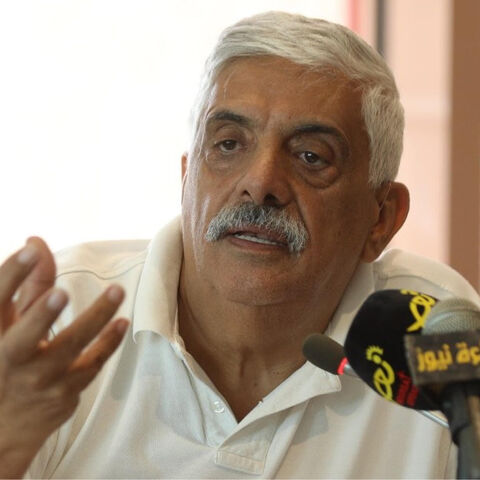

When it became clear that President Mahmoud Abbas would choose him to be the eighth Palestinian prime minister, Mohammad Shtayyeh huddled around him some of the top Palestinian economists and political experts to plan how to deal with the looming financial crisis. “We all know the depth of the financial crisis, and we are familiar with the various options that are available,” said a source who huddled with Shtayyeh and asked not to be identified.
“The choices ranged from a call for a total boycott of Israeli products and a call on Palestinians not to work in Israel, to acquiescing to Israeli and American dictates,” said the source, a businessman who was active in the first intifada. “In the end, a middle of the road decision was taken: An immediate end of referrals to Israeli hospitals will be instituted, while the more radical decision of boycotting Israeli products and worker no-shows would be postponed till later,” he added.
Sure enough, a decision was made to end all medical referrals and instead the sick would be referred to Palestinian hospitals or to nearby advanced medical facilities in Jordan and Egypt. The Palestinian Ministry of Health announced the decision March 26, saying the reason behind it was Israel’s refusal to hand over the entire monthly tax and custom fees collected on behalf of Palestinians as part of the 1994 Paris Economic Protocols.
The Palestinian government on May 2 refused to accept truncated funds collected by Israel for taxes and customs on products earmarked to the Palestinian territories in accordance with the 1994 Paris Protocol. This makes May the third month in which the Palestinians have not received funds due to it. The Palestinian government collects $138 million annually in taxes collected by Israel — this was stopped Feb. 17. An Israeli decision was made to deduct the amount of money the Palestinian government pays to families of prisoners and martyrs from the monthly monies due to the Palestinian government. In return, Ramallah decided not to receive any money until the Israeli side agrees to abide by the Paris agreement, which allows Israel to deduct a 3% service charge only. Monies to pay for referrals to Israeli hospitals were deducted from those monies as well.


