Is Iran’s Reformist-moderate coalition coming to an end?
With Iran’s next parliamentary elections just eight months away, the moderates and Reformists are talking about ending their coalition, raising concerns that the hard-liners will return to power.
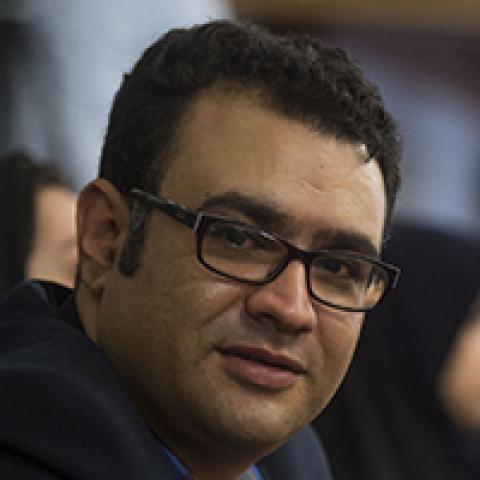

Iran’s Reformist-moderate coalition appears to be nearing its end as the two sides say they will not cooperate with each other in next year's parliamentary elections, raising concerns that hard-liners will win the vote again.
Iran’s Reformist and moderate movements joined forces against the hard-liners during the 2013 presidential election won by moderate Hassan Rouhani. They maintained this coalition in the February 2016 parliamentary polls as well as the 2017 presidential election and achieved victory each time. The two groups have repeatedly stated that the reason for forming the coalition and putting aside some of their past differences was the fear of hard-liners being in power.
During the 2016 parliamentary vote, their coalition, under the name of “List of Hope,” won a landslide victory over hard-line conservatives and secured most seats in parliament. Yet when the new parliament convened, the moderates and Reformists parted ways due to differences over who should be speaker and formed two different factions. This marked the first division in their coalition. In the years that followed, some cooperation could still be seen between the two. However, during the parliament's internal elections last month, confrontations over whom would be appointed to various posts reached such a point that there was talk of ending their cooperation altogether.
Mohammad Reza Aref, leader of the Reformists’ Hope faction in parliament and head of the Reformists’ Supreme Council for Policymaking, said, “In the … parliamentary elections we will separate our paths from those who want to take advantage of the Reform movement’s credibility.” Aref, along with some other Reformists, believes that the moderates in the coalition are only after the Reformists’ voter base. As Aref made his statements, Kazem Jalali, who heads the moderate faction in Iran’s parliament, accused Aref and the Reformists of not cooperating and not engaging in dialogue. He said the Reformists were the main cause of the rift.


