Three years on, coup attempt continues to reshape Turkey
On the third anniversary of the July 15 coup attempt, politics, foreign policy and daily life continue to bare marks of the night that would remake Turkey.
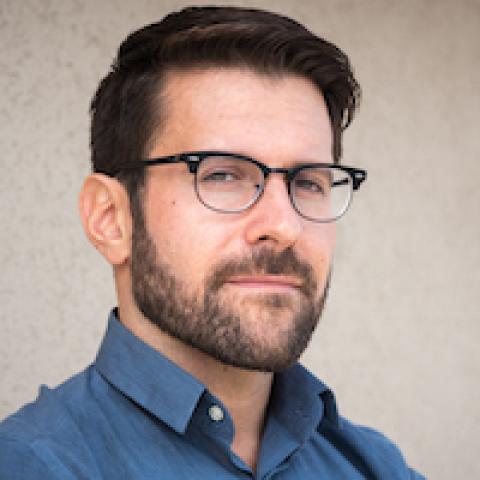

For decades, Omer Faruk Gergerlioglu was both a doctor and a human rights advocate. By day, he saw patients at the Izmit Seka State Hospital. By night, he was a member of human rights organizations and shared posts on social media supporting a peace process to end nearly 40 years of warfare between Kurdish militants and the Turkish state.
On Oct. 13, 2016, one of his social media posts got him suspended and eventually dismissed from his position by decree law over alleged links with terrorist groups. He became one of 150,000 civil servants laid off in a wave of ongoing purges that began after the July 15, 2016, coup attempt in Turkey. Like the many dismissed academics, police officers and state employees, his passport was confiscated, he struggled to find employment and he became socially isolated in a period he describes as his “civil death.”
“People were treating me as if I had the plague,” Gergerlioglu told Al-Monitor. “They wouldn’t talk to me. My friends, neighbors, relatives, they all cut their links. It was a complete social exclusion.”
The purges began as a sweeping effort to rout out supporters of the US-based Islamist Fethullah Gulen, whom Turkish officials accuse of orchestrating the coup. But the purges quickly spread, targeting opposition leaders, lawyers, journalists and human rights advocates, stifling free speech over the last three years, in which 77,000 people have been jailed pending trial.


