IDF says it had no choice but to kill Islamic Jihad senior
The Israeli military operation to kill Islamic Jihad commander Bahaa Abu al-Atta was planned months in advance, after a series of rockets were fired toward Israel, including on Ashdod while Prime Minister Benjamin was delivering a speech there.
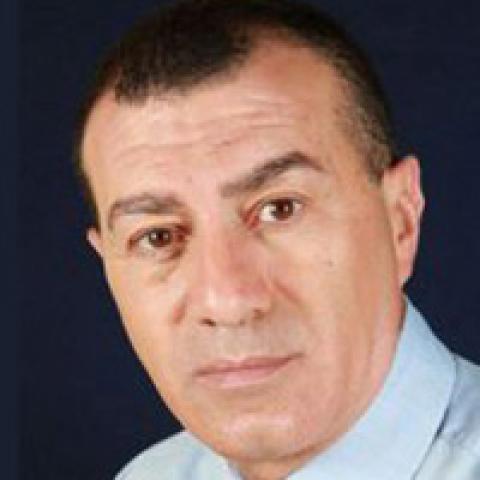

On Nov. 12, Israel killed Bahaa Abu el-Atta, commander of the northern district of Islamic Jihad, in an air strike into Gaza. Abu el-Atta was one of the most influential members of the organization, in some respects even more so than its secretary-general, Ziyad al-Nakhalah, who resides in Syria. The decision to kill Abu el-Atta had been made in September.
Abu el-Atta was responsible for the launch of a rocket toward the southern Israeli city of Ashdod during a Sept. 10 election campaign speech there by Prime Minister Netanyahu. It wasn’t the embarrassment to Netanyahu that led to the decision to kill him, but because the group had acted out of arrogance and defiance toward Israel. There was no other apparent reason for Islamic Jihad or Hamas to have carried out such a brazen attack.
At the time, I had written in Al-Monitor that the rocket fire toward Ashdod represented a formative moment and that Israel's security establishment had made fateful decisions in its aftermath. Netanyahu, as later reported, ordered preparations for a large military operation, and Justice Hanan Melcer, chair of the Central Election Committee, was even told to prepare for a possible delay of the elections scheduled for Sept. 17. Thus, the suggestions and declarations of figures in the political establishment that political calculations had led to Abu el-Atta's assassination in the early morning hours of Nov. 12 are baseless.
In fact, Abu el-Atta had been marked by the Israel Defense Forces (IDF) and Shin Bet close to the April elections, following provocations he had planned and actual attacks carried out in the period leading up to the Eurovision Song Contest scheduled for Tel Aviv on May 18. Hundreds of rockets were launched toward Israel from Gaza, raising concerns about whether the competition would even take place. After the contest, the IDF, in an unusual move, published Abu el-Atta’s photo as an intimation and a threat: If Islamic Jihad continues to run wild, Israel knows who’s responsible and will lay hands on him.


