Strategy of the radical right to pass Knesset-entry threshold
The reunion of the radical right Otzma Yehudit party with HaBayit HaYehudi could open Knesset doors to nationalist Itamar Ben-Gvir.
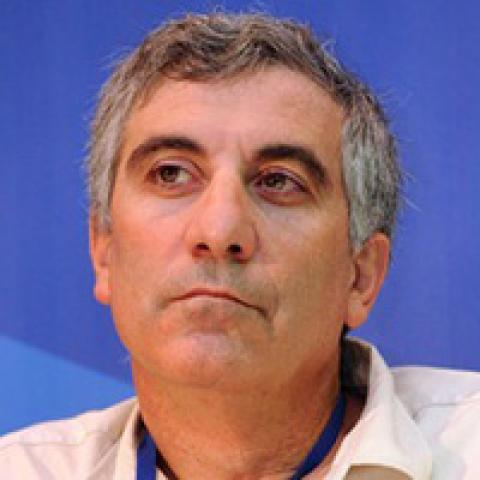

On Dec. 20, Itamar Ben-Gvir’s phone rang. On the line was a close associate of Prime Minister Benjamin Netanyahu who congratulated the chairman of Otzma Yehudit (Jewish Power) on his agreement with HaBayit HaYehudi Chair Rafi Peretz. The agreement, signed that morning, determined that the two parties would run on a joint list in the next election and that Ben-Gvir would be ranked third on the list. Other representatives of Otzma Yehudit would be placed in the sixth and ninth places. According to the agreement, Ben-Gvir and Peretz are also keeping spots on their list for representatives of the National Union party headed by Bezalel Smotrich — for whom the second spot is being held — even though he has not agreed at this stage to join the united list. Peretz and Ben-Gvir also agreed, verbally, that representatives of Otzma Yehudit would receive chairmanships of Knesset committees if their parties would be part of the coalition.
The phone call between the Netanyahu associate and Ben-Gvir attests to the keen interest the prime minister has in alliances on the religious right. A senior Likud source who spoke on condition of anonymity told Al-Monitor that Netanyahu fears a repeat of “the accident” that happened to the right in the April 2019 election when Naftali Bennett and Ayelet Shaked’s New Right did not pass the vote threshold, falling 1,400 votes short. Moshe Feiglin’s Zehut party also lost the right two mandates, and these were six mandates total that could have brought the formation of a right-wing government headed by Netanyahu.
According to the same source, the Likud has polls that show that two lists on the religious right — the New Right and a joint list of HaBayit HaYehudi, National Union and Otzma Yehudit — could together win 10 mandates. Along with the two ultra-Orthodox parties — Shas and Yahadut HaTorah — and the Likud there is a chance again for a right-wing government with at least 61 seats, without Yisrael Beitenu’s Avigdor Liberman. This is Netanyahu’s motivation to unite Otzma Yehudit, which ran alone in the September 2019 election and did not pass the vote threshold — it received 83,000 votes that represent two mandates — with HaBayit HaYehudi and the National Union.
As mentioned, Smotrich right now refuses to join the list and demands a primary election among the religious Zionist public in order to determine the makeup of such a list. The estimate is that close to the date lists must be submitted to the Central Elections Committee, in mid-January, Smotrich would join the alliance. Netanyahu is “working on it” and acting to improve Smotrich’s rank on the list.


