Syrian activist’s rooftop lessons to kids interrupted by Turkey's operation
Salman Ibrahim's Bread Ways drama lessons take Syrian children to the rooftops of repurposed buildings the countryside of Aleppo and Idlib to teach them critical thinking.
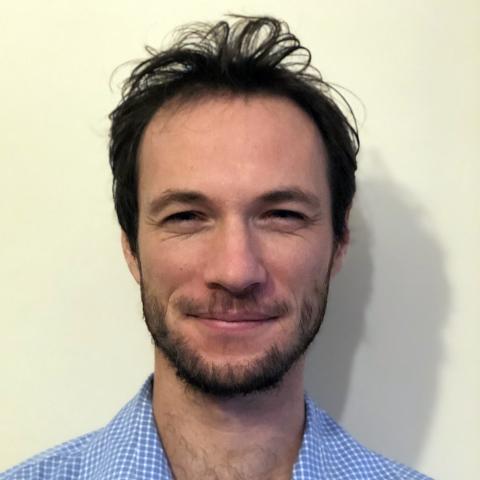

In the countryside around Aleppo and Idlib, children used to meet on rooftops to catch up on the schooling they missed as a result of Syria’s eight-year civil war. The initiative, interrupted when Turkey initiated Operation Peace Spring in October, is one of several pedagogic initiatives led by Salman Ibrahim, who, in his pre-civil war days, was a high school teacher of Arabic in Aleppo.
In 2011, that hopeful time when it felt as though a wave of popular uprisings could topple the entrenched authoritarian regimes across the Middle East, Ibrahim joined the anti-regime protests. Once the protests were brutally stopped, he continued to express his resistance to Bashar al-Assad’s regime by teaching children how to think critically and express themselves creatively — both in classrooms and on stage.
In 2014, Ibrahim founded Aleppo-based Bread Ways, a theater group for children that provides them with a framework for engaging with abstract concepts like censorship and propaganda, both of which are among the defining features of Assad’s dictatorship. Bread Ways was intended as a platform to introduce the children, whose education was interrupted by the civil war, to critical thinking. He drew his inspiration from the methods of Augusto Boal’s Theater of the Oppressed, using theater as a forum for social change.
Bread Ways staged its first play in Aleppo in 2014, with a troupe of 15 young actors, writers and musicians who vented their frustrations over their experiences of oppression and injustice — such as violence in aid distribution lines. When Aleppo was the most dangerous city in the world, Ibrahim's Theater of Dreamers provided an educational framework and some grounding for the children.


