Lebanon’s new government has its work cut out for it
The newly formed Lebanese government is in for real challenges, mainly the crisis of the collapsing Lebanese pound and debt that has reached a record level.
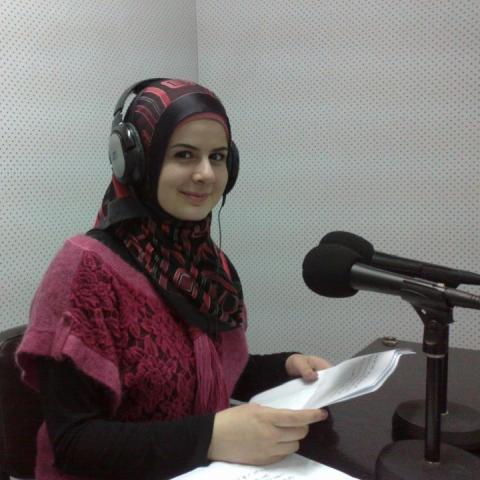

BEIRUT — Less than a month since its formation, Lebanon’s new Cabinet received a vote of confidence from parliament Feb. 11. The vote saw 63 of 84 legislators present give their confidence to the new government headed by Prime Minister Hassan Diab, a professor at the American University of Beirut who served an education minister in the 2011 government of Prime Minister Najib Mikati.
After the government was formed Jan. 21, Diab had vowed that his Cabinet — which is made up of 20 ministers, including six women — represents the aspirations of the protesters, and will work to ensure the independence of the judiciary and the recovery of looted funds and to fight against illicit enrichment and unemployment.
The newly formed government is in for some real economic and financial challenges, mainly the rise of public debt to a record level of about $90 billion, according to statistics from the Association of Banks. Lebanon — which ranked 137th on the list of least corrupt countries out of 180 countries, according to the 2019 Corruption Perceptions Index reported by Transparency International — is also slated to repay $1.2 billion in Eurobonds maturing March 9.
Minister of Agriculture and Culture Abbas Murtada told Al-Monitor that the ministerial statement includes items pertinent to the financial and economic situation. He added that he has been in contact with agriculture experts in order to lay out new plans to develop the agriculture sector in the country. Murtada said he has also been following up on the crisis of high taxes incurred by truckers and farmers from Lebanon to Syria.


