Libyan Jews' potential return sends out political shockwaves
Some members of the Libyan parliament and public vocally oppose the idea of Jews returning or participating in the country's peace process.
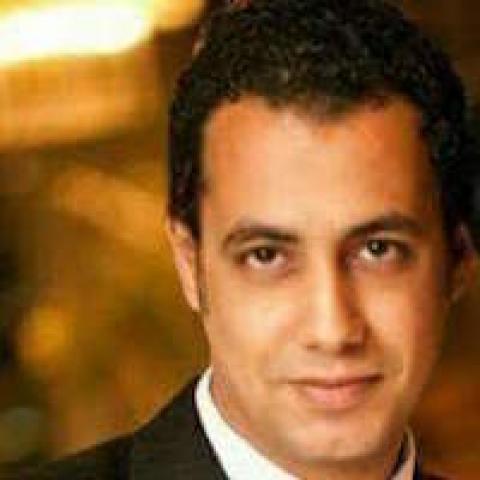

The controversial issue of the return of Libyan Jews to their homeland regained traction recently after United Nations envoy Ghassan Salame met Feb. 6 with Raphael Luzon, chairman of the Union of Libyan Jews, at the UN office in Geneva.
Luzon revealed details of the meeting on Facebook, saying, “Finally, [we have] international recognition of the Union of Libyan Jews as an official representative of the Libyan Jewish component in Libya, and firm promises of [our] official participation in all upcoming meetings concerning the unity and peace of Libya.”
He continued, “During the meeting with Salame, we talked about the suffering of our country, Libya, in general, and the Libyan Jewish community, in particular, and its struggle to regain its human and social rights … and its vision for future solutions to its problems and Libya's problems.”
Luzon raised controversy in political circles with his announcement that his community will participate in the planned international conferences on the unity and peace of Libya, as well as the possibility of the Libyan Jewish community returning once again and implementing their demands.


