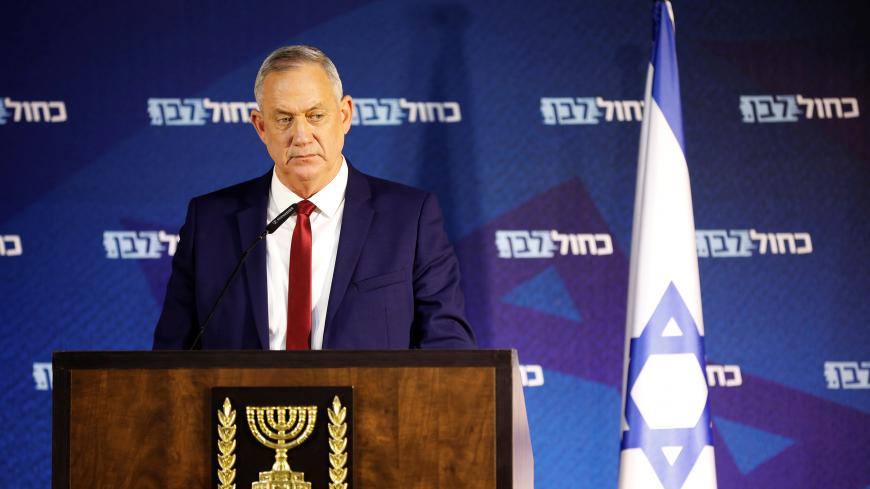
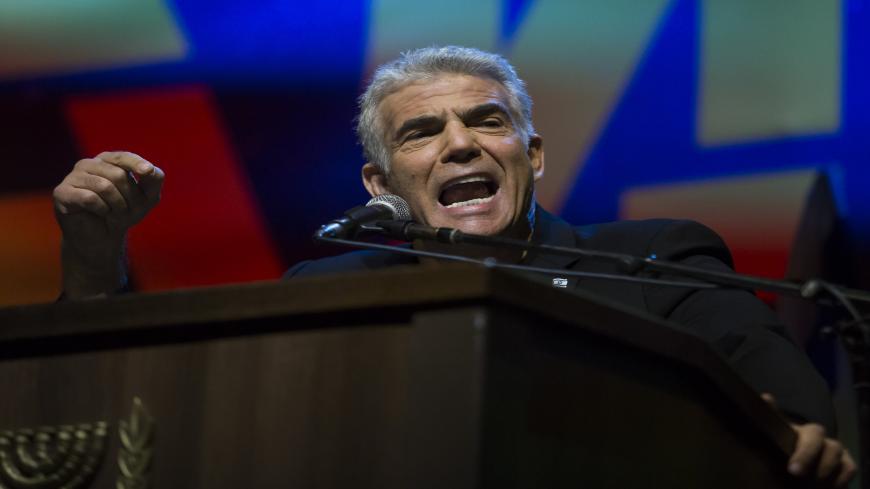
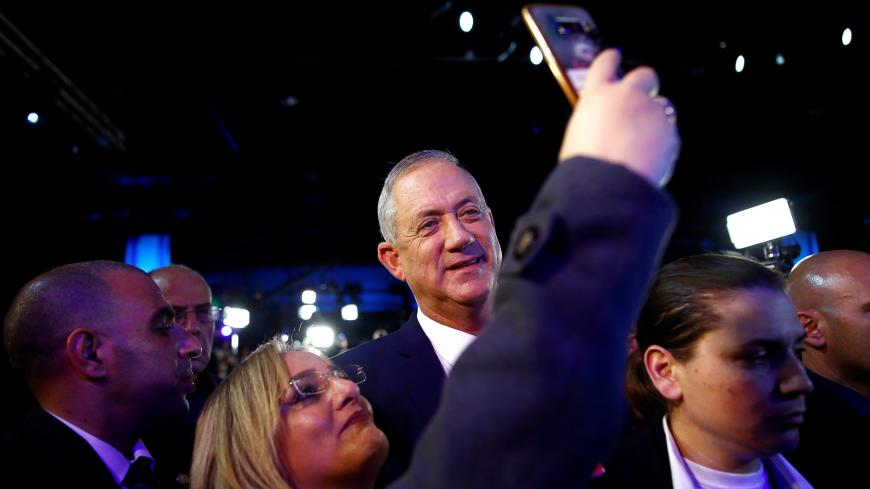
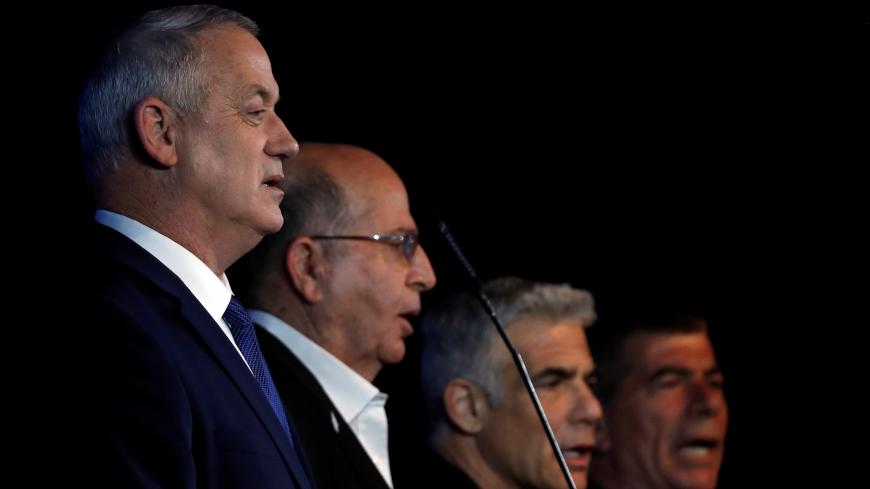
Israel’s September 2019 elections gave Prime Minister Benjamin Netanyahu his first bitter taste of defeat in a decade. The newly established Blue and White party led by three former army generals garnered one more seat in the Knesset than his own Likud party did. Worse still, the protective bloc of right-wing and ultra-Orthodox parties that Netanyahu had labored to form accounted for only 55 seats, six fewer than Netanyahu required to ensure a majority in the 120-seat legislature and 10 less than the majority achieved by the anti-Netanyahu center-left bloc. Faced with the results, he thought all was lost. For the first time in ages, he could not put together a coalition government. Blue and White was blocking his road to reelection, and appeared to be sending him down a slippery slope to his political demise.
Netanyahu’s troubles were just starting. Two months after the elections, on Nov. 21, 2019, Attorney General Avichai Mandelblit announced his decision to indict Netanyahu on three charges — bribery, fraud and breach of trust. What’s more, polls indicated that a decisive majority of Israelis blamed Netanyahu for forcing them into an unprecedented, consecutive third round of elections within less than a year, a very rare occurrence in democratic regimes. (Last recorded in the twilight days of Germany’s Weimar Republic.)
This set the stage for Blue and White’s rejection at the time of Netanyahu’s entreaties to join a unity government under his stewardship. They even turned him down when he pledged to cede the premiership to Blue and White leader Benny Gantz a year or even eight months hence. The chairs of the centrist Yesh Atid party Yair Lapid and of the hawkish Telem party Moshe Ya’alon — respectively No. 2 and No. 3 on the Blue and White Knesset slate — led this militant line. They believed, as did most analysts that Netanyahu would continue his downward slide on an even steeper trajectory on the road to the third elections on March 2 — continuing the trend begun in the first elections, in April 2019, with the loss of three seats for the Likud and five for the Netanyahu bloc.
These projections have all come crashing down in recent months. In the third March elections, Netanyahu netted four additional seats for his Likud, even after indictment on serious criminal charges and although most Israelis still blamed him for the ongoing political stalemate. There has been more bad news for Netanyahu since the elections. May 24 marked the first day of his trial, and the first of an incumbent Israeli premier, bringing to life the bizarre scenario of a prime minister conducting the affairs of state in the morning and going to court in the afternoon to conduct his defense.
AL-MONITOR All-Access gives you unlimited access to all our journalism, the full Daily Briefing, exclusive interviews, premium newsletters, and live events — for less than $2/week.