Yazidis still negotiating return of kidnapped women, children
In the absence of local and international authorities, the Yazidis continue buying back their kidnapped women and children.
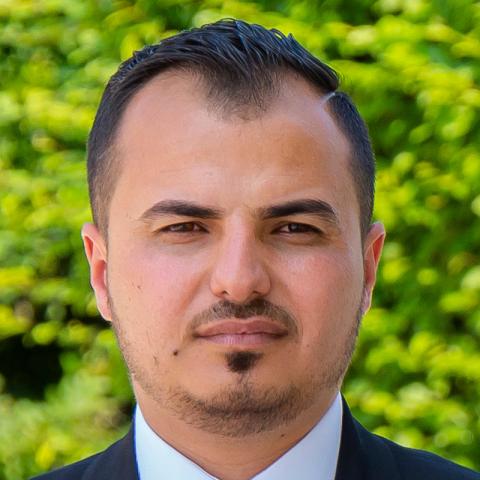

On the morning of June 4, Ali Hussein was sitting in his car staring at the latest message on his phone sent by a mediator who is helping free six members of his family. The message said the Syrian armed faction was demanding $90,000 for his family members abducted in August 2014 from Sinjar, northern Iraq.
Hussein himself was kidnapped by the Islamic State (IS) and managed to escape alive. He then decided to help rescue other Yazidis kidnapped by IS. According to the Kidnapped Yazidis Rescue Office based in the city of Dahok in the Kurdistan Region of Iraq, around 2,800 Yazidis were kidnapped by IS and other extremist factions in Syria.
Ali Hussein al-Khansuri, who helped save dozens of Yazidi women and children, told Al-Monitor that rescue operations, which often involve buying back the kidnapped, are still ongoing, in particular in Idlib where Yazidi women and children are still held by IS and extremist factions. He said that the process of buying and selling Yazidis has turned into a trade, and that some Yazidis are sold several times in exchange for higher amounts.
He recounted how his cousin Aziza was brought back home at the beginning of the year. The phone messages exchanged show the purchase process and details of the delivery of the agreed amount. The parties to this sale agreed that $25,000 would be handed over upon Aziza's release and $15,000 would be paid a month later.


