Intel: Syrian Kurds court Moscow to avert potential Turkish attack
The Istanbul-based leader of Syria’s opposition interim government has denounced an agreement reached in Moscow over the weekend between the US-backed Syrian Democratic Council and the pro-Russia Popular Will Party.
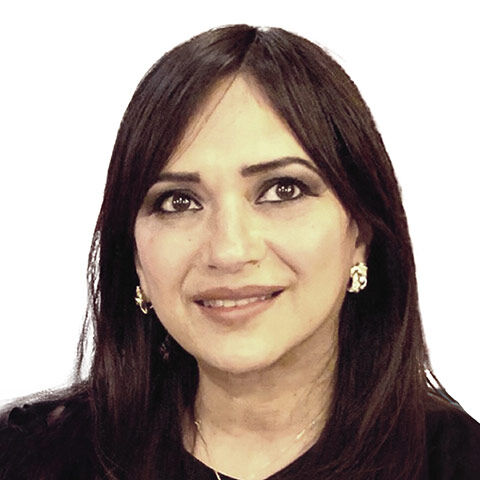

The Istanbul-based leader of Syria’s opposition interim government has denounced an agreement reached in Moscow over the weekend between the US-backed Syrian Democratic Council (SDC) and the pro-Russia Popular Will Party (PWP), saying the sides are not legitimate representatives of the Syrian people. Abdurrahman Mustafa was cited by Turkey’s state-run Anadolu news agency as labeling the Kurdish-dominated SDC as separatists, while he accused the PWP of taking its cues from the Syrian regime.
Mustafa was in turn likely taking his cues from Ankara, which conflates the SDC and other components of the autonomous administration in northeast Syria with Kurdish militants fighting Turkey. Turkey formally aired anger over Moscow’s hosting of llham Ahmed, the SDC’s president, never mind that prior to the collapse of Turkish-Kurdish peace talks in 2015, Ahmed used to meet with Turkish diplomats as well. Photos of Ahmed posing alongside Russian Foreign Minister Sergey Lavrov will have added to Turkey’s sense of injury. Turkey’s Deputy Foreign Minister Sedat Onal, who was in the Russian capital for talks on Syria on Aug. 31, did not get facetime with Lavrov.
Why it matters: Though Washington did not comment publicly, Ahmed’s appearance in Moscow apparently raised some eyebrows in the State Department as well. US policy is to keep the Syrian Kurds away from Russia and the regime and to try to patch relations between them and Turkey. So what was she doing there and what useful purpose did it serve? There are several explanations.
The first is to reset relations with Moscow. Distrust has prevailed ever since the Russians allowed Turkey to invade the Kurdish-majority enclave of Afrin in early 2018 in exchange for its cooperation against jihadis in Idlib. Russia wants the Kurds to make peace with the regime and force the Americans to leave Syria. It has wielded its partnership with the Turks in Syria as a stick against the Kurds to this end and used it to drive a wedge between Ankara and Washington. The results have been mixed.


