Palestinians in quandary about new visitors from Gulf
Palestinians and Jordanians are working to ensure that Gulf visitors to Al-Aqsa Mosque in the Palestinian half of Jerusalem abide by the same rituals and traditions that all Muslims have practiced when visiting the holy sites.
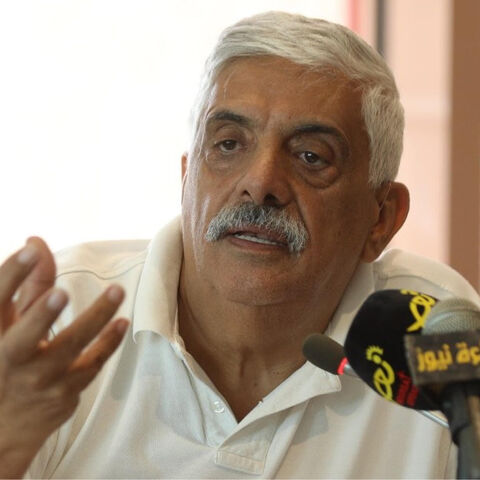

Palestinians have for years been urging Muslims, Christians and others to visit the holy city of Jerusalem as a public expression of support to the Palestinian cause and the people of the holy city. This call, which was initiated by late Palestinian political leader Faisal Husseini, used the concept that visiting those in jail doesn’t mean recognition of the jailer. The same phrasing has been repeated numerous times since to justify visits to the occupied territories by citizens of countries that have no diplomatic relations with Israel, especially in sporting events.
A meeting of top Muslim scholars and intellectuals in 2014 led to a consensus on a fatwa (religious edict) to end a ban of Muslim visits to Al-Aqsa Mosque in Jerusalem while under Israeli occupation.
The Muslim leaders agreed to leave the door open for the “ijtihad” (conjectural interpretations of divine law) of Islamic scholars regarding the right of Muslims around the world to visit Al-Aqsa, the third holiest site for Muslims.
However, the latest unilateral decisions by the United Arab Emirates (UAE) and Bahrain to normalize their relationship with Israel without consulting with Palestinians has caused trepidation to many in the city. While Jerusalemites insist that the holy places in the city belong to the faithful from around the world, they felt unease to see Emiratis entering Al-Aqsa Mosque under Israeli protection and using the only gate — al Moghrabi — that Israel doesn’t allow Palestinian guards from the Islamic Waqf to be present at. All other gates have both Israeli police guards and a representative of the Jordan-administered Waqf Department.


