Oman moves ahead with overdue reforms
Oman's leadership pushes ahead with reforms, cornered by the COVID-19 crisis and long-standing weaknesses in the local economy. Activists call for a constitutional monarchy.
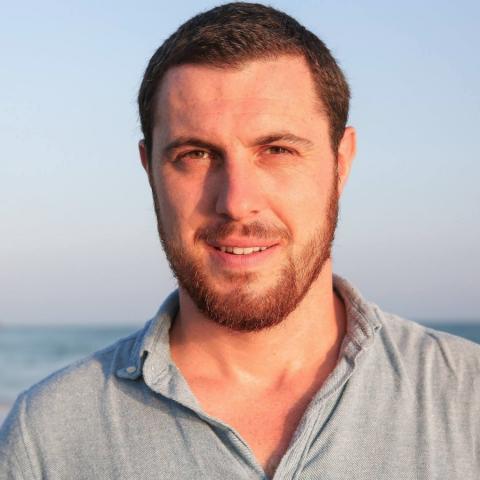

The Middle East’s only sultanate has moved a step further into closer conformity with its neighbors' political systems by designating its first crown prince, the ruler’s oldest son.
Bloomberg columnist Bobby Ghosh had previously said that Oman had “strangest system of royal succession conceived in modern times” — the previous sultan, Qaboos bin Said Al Said, had named a cousin as his successor in a sealed envelope opened after Qaboos' death a year ago. Qaboos had no children or brothers. Now, Dhi Yazan Bin Haitham, the oldest son of Sultan Haitham bin Tariq Al Said, is the crown prince.
Calls for political changes, more transparency, economic reforms and ending the impunity of corrupt officials were the main demands of Omanis who took to the streets in 2011 in a rare wave of demonstrations during which security forces killed two stone-throwing protesters.
Hours after the violence, Qaboos acted swiftly to prevent further protests and announced the creation of 50,000 government jobs, raised pay for national workers, and, for those eligible, increased pensions and retirement benefits. Activists now characterize these measures as “temporary fixes” that failed to address the crux of the sturctural issues underlying Oman's economic difficulties.


