Jerusalem deputy mayor advances embassy district
Jerusalem's deputy mayor responsible for international affairs, Fleur Hassan-Nahoum, is promoting a plan to develop an embassy district in the south of the city.
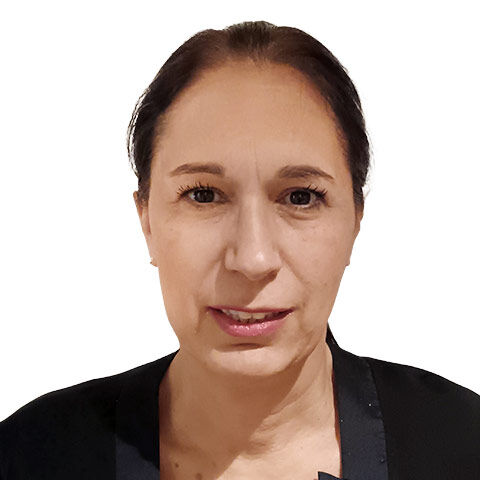

On Jan. 13, Jerusalem municipal authorities approved preliminary plans for the construction of a new US Embassy in the city. Jerusalem’s local planning committee authorized the expansion of the current temporary embassy site in the Arnona neighborhood as well as the construction of a new embassy compound on the nearby Hebron Road. The new site is near the Green Line that divides east and west Jerusalem. Both plans need additional approval from a district council but are expected receive it easily. Deputy Jerusalem Mayor Fleur Hassan-Nahoum, who has been deeply engaged in promoting the project, was the first to announce it on Twitter.
In 2017, President Donald Trump recognized Jerusalem as the capital of the state of Israel and ordered the US Embassy to be relocated from Tel Aviv. The new embassy opened in May 2018, but hundreds of Americans and Israelis employed by the embassy continue to operate from the Tel Aviv offices. To save time, Washington merged its consulate in Jerusalem with the new embassy, which now operates from the 19th century consulate building. A building which is simply too small to host all of the staff.
Jerusalem’s Mayor Moshe Leon called the construction approval a “historic and exciting moment,” saying he believes the move will inspire other countries to move their embassies to the capital.
Two days after the May 2018 opening of the new US Embassy in Jerusalem, Guatemala followed suit. Its embassy, inaugurated in the presence of President Jimmy Morales and Prime Minister Benjamin Netanyahu, is located in a new office building in the southwest of the city.


