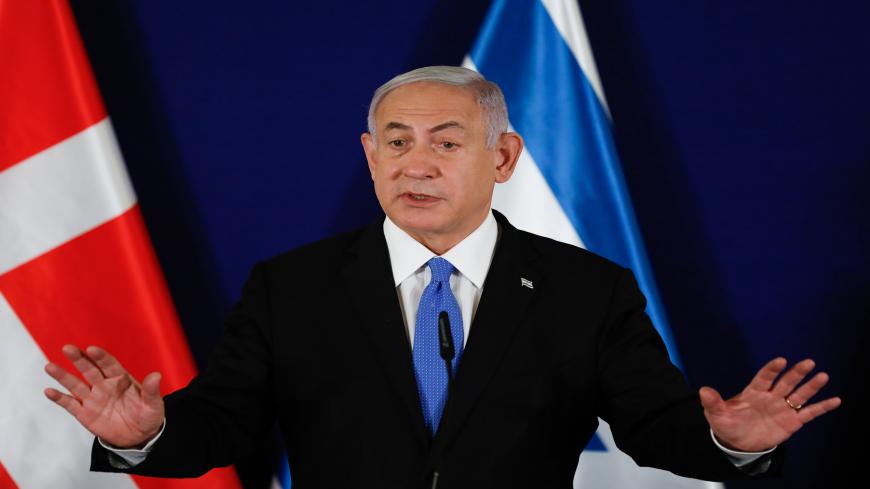
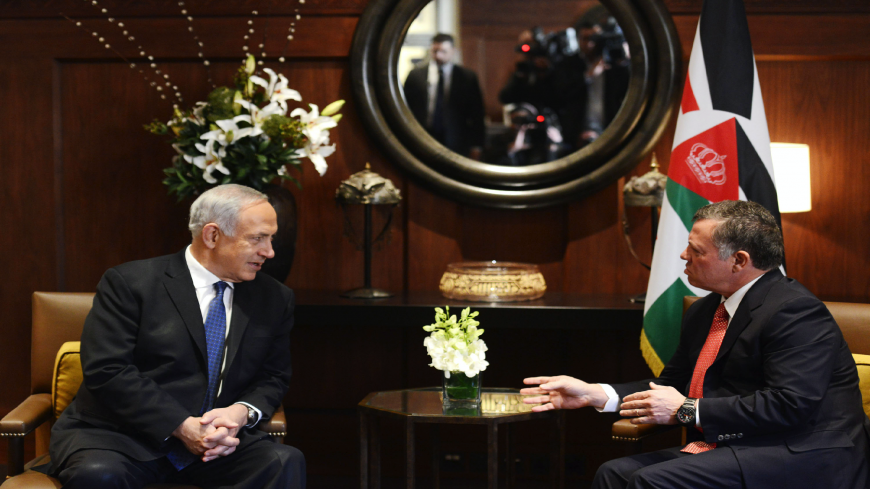
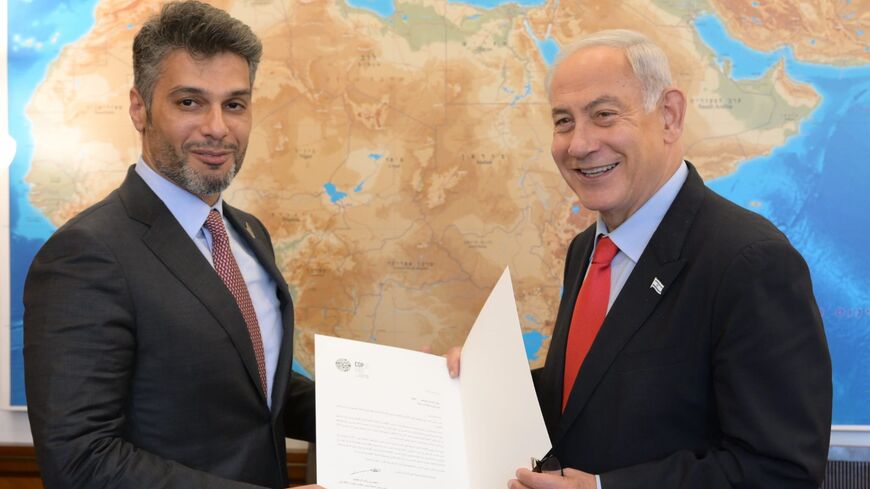
The crisis between Israel and its Arab allies — first with Jordan, followed immediately by the United Arab Emirates — encapsulates the story of Prime Minister Benjamin Netanyahu.
He is an impressively gifted statesman capable of making lemons into lemonade who spun the failure of his grand West Bank annexation plans into the highly popular normalization agreements with Arab states. He is driven by a vision and skilled at adapting to the changing circumstances and shifting realities in his turbulent neighborhood.
On the other hand, Netanyahu also often shoots himself in the foot. The real him, whom former US Ambassador to Israel Martin Indyk once described as the version Netanyahu sees sitting on his shoulder when he looks in the mirror, is a reckless, opportunistic populist devoid of inhibitions or shame, a man who would risk everything for a chance at more time in the prime minister’s office.
Things began to unravel on March 11, when Israel incurred the wrath of Jordan’s Crown Prince Hussein who had planned to visit Jerusalem to worship at Al-Aqsa Mosque until there was a clash over security arrangements. The visit was cancelled, the Jordanian entourage drove back to Amman and the prince stayed in the palace. The Jordanians were furious. Netanyahu was scheduled to fly to the UAE the following morning for a lightning visit before returning to Israel to host two visiting European prime ministers.
AL-MONITOR All-Access gives you unlimited access to all our journalism, the full Daily Briefing, exclusive interviews, premium newsletters, and live events — for less than $2/week.