Decree on election court removes one obstacle for Palestinian elections
Palestinian President Mahmoud Abbas issued a presidential decree to establish an election court, but many analysts say several obstacles that could derail the elections remain.

The presidential decree issued by Palestinian President Mahmoud Abbas on March 1 has removed yet another obstacle standing in the way of legislative and presidential elections in the occupied Palestinian territories. Yet many other political land mines still exist.
Press reports from Egypt say the presidential decree was only issued after the secretary-general of Fatah's Central Committee, Jibril Rajoub, and the deputy head of Hamas' political bureau, Saleh Al-Arouri, met in Cairo on Feb. 28 and agreed on the list of nominated judges.
In accordance with previous agreements, the court should be composed of four judges from the West Bank, four from the Gaza Strip and one from East Jerusalem.
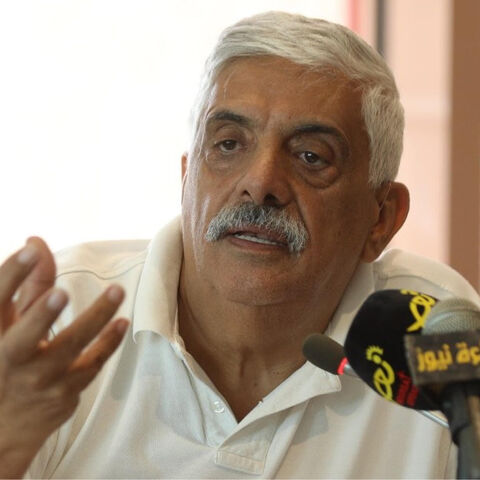
Despite progress on the elections’ court issue, a number of commitments remain to be formalized. Hani al-Masri, who participated in the Cairo talks and is the director of the Ramallah-based Masarat think tank, wrote on his organizations website that the following areas have not yet been addressed: “lowering the age of candidates, raising the percentage of women's participation [currently a minimum of 26%], regulating the issue of the resignations of public employees, lowering the fees for participating lists [now $20,000], solving the issue of which police force will guard election booths in Gaza and, finally, whether the presidential election is for president of the Palestinian Authority [PA] or the president of Palestine.”


