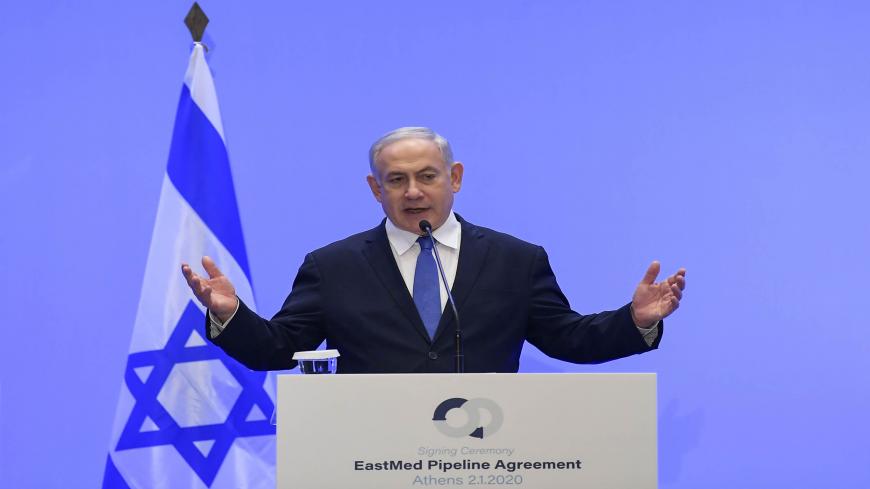
Energy ministers of Israel, Cyprus and Greece signed March 8 a memorandum of understanding for a joint undersea power cable project. With this agreement, the three countries took a major step in bridging Asia and Europe and in connecting their national electricity grids.
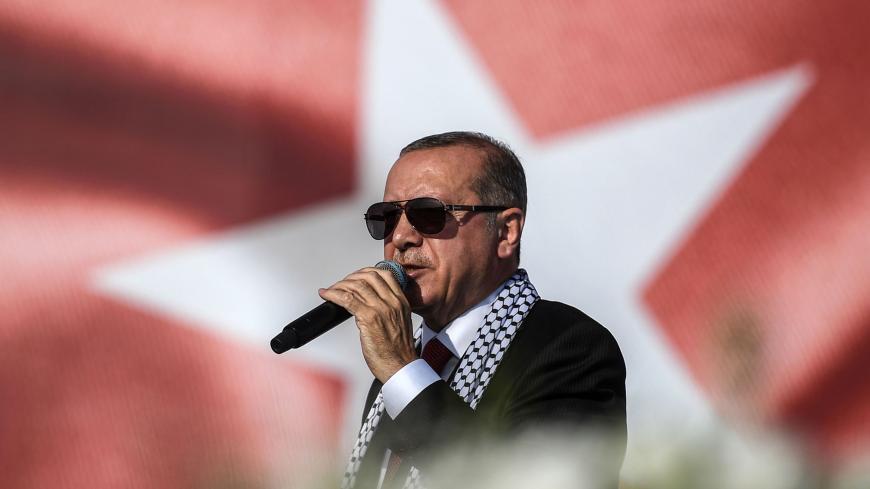
Still, not everyone was happy about this move. Shortly after the signature ceremony, Turkey sent Israel and Greece diplomatic notes, warning both countries that they must seek its permission before any feasibility studies are carried out and before launching works on the proposed undersea power cable in eastern Mediterranean waters. A similar note was also sent to the European Union delegation in Turkey. Reports did not mention if Turkey sent such a diplomatic note also to Cyprus, the third partner in this venture.
Formally protesting the agreement, Ankara argued that the route of the planned cable, expected to be largely funded by the EU, transgressed Turkish territorial waters.
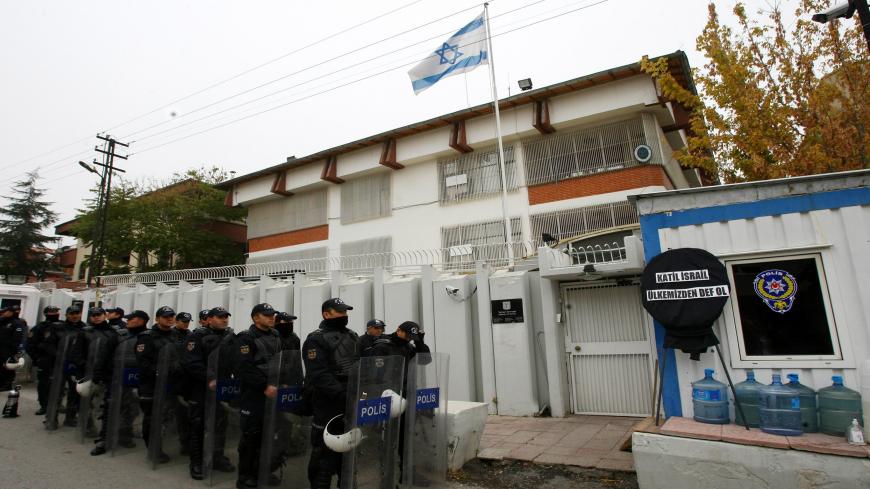
Israeli-Turkish relations have been very chilly in the past decade, ever since the 2010 Mavi Marmara flotilla incident, and more so since the 2014 Gaza war. Still, in recent months, before the US elections in November 2020, Ankara has been sending Jerusalem positive messages. Now, some officials in Jerusalem are expressing concerns over the memorandum with Greece and Cyprus damaging Turkey’s efforts of rapprochement.
AL-MONITOR All-Access gives you unlimited access to all our journalism, the full Daily Briefing, exclusive interviews, premium newsletters, and live events — for less than $2/week.