US sanctions on Turkey-backed Syria faction offer solace to Kurdish victims
It remains to be seen what practical and immediate effect Wednesday's sanctions will have.
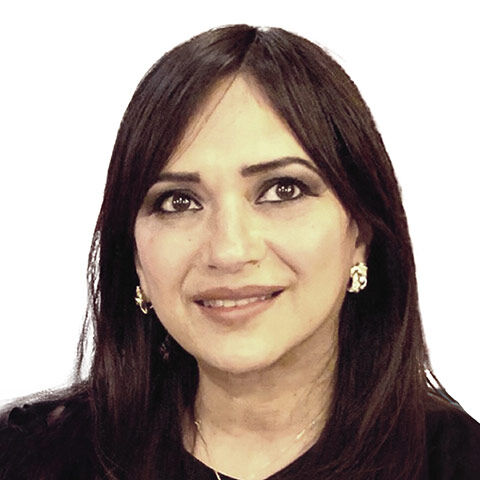

On Oct. 12, 2019, three days after Turkish forces invaded northeastern Syria with President Donald Trump’s blessings, a rising young Kurdish politician named Hevrin Khalaf was ambushed by Ahrar al-Sharqiyah, a Turkish-backed armed Sunni brigade, and savagely executed. When the militants were done with the 35-year-old, her body was riddled with bullets, the flesh from her scalp ripped off, and her leg and skull fractured from repeated blows. Apparently unworried about retribution, the militants posted a video of the war crime online.
On Wednesday, the Biden administration rolled out its first sanctions directed at Syria. They targeted Ahrar al-Sharqiyah and its boss, Ahmed Ihsan Rayyad al-Hayes, better known by his nom de guerre, Abu Hatem Shaqra, who was present during Khalaf’s murder. The sanctions also targeted eight Syrian prisons, five officials in President Bashar al-Assad’s regime who run them, and a pro-regime militia. Ahrar al-Sharqiyah also was accused by the US Treasury Department of recruiting members of the Islamic State and of killing multiple civilians in northeast Syria.
US Secretary of State Antony Blinken said, “These sanctions underscore the US commitment to promote respect for human rights and accountability for abuse against Syrians.” Some of the sanctioned prisons, including the notorious Saydnaya, appeared in a cache of gruesome photographs provided by the Syrian defector known as “Caesar.” A slew of sanctions to financially punish the Assad regime introduced by the Trump administration was named after this defector.
The announcement offered a measure of solace to Khalaf’s mother, Souad Mohammad, who said her daughter’s face had been so badly mutilated by her killers that all that was left intact was her jaw.


