Israel appoints bipartisan negotiator as ambassador to US
Having served in a variety of military positions and as negotiator in several rounds of talks with the Palestinians and Arab countries, Israel’s next ambassador to the US Michael Herzog is widely hailed as the right person for the job.
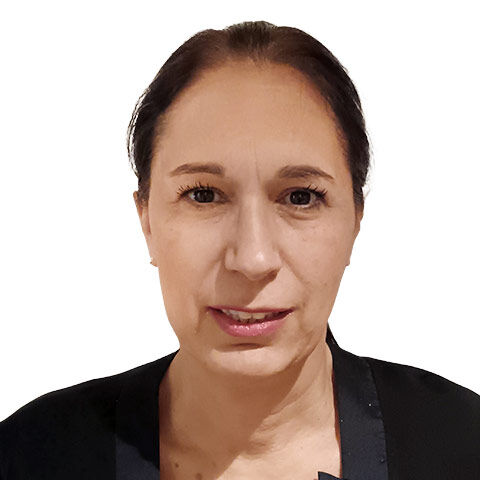

Prime Minister Naftali Bennett announced the appointment of Brig. Gen. (Ret.) Michael Herzog as Israel’s next ambassador to the United States Aug. 6. The cabinet approved the appointment Aug. 8 and Herzog will soon fly to Washington and take up the position already vacated after the elections by Ambassador Gilad Erdan. Under the Netanyahu government, Erdan served both as ambassador to the United States and as Israel’s envoy to the United Nations, and will not retain the latter position.
Legal agreements dating from the 1950s enable the foreign minister and the prime minister to appoint 11 people who are not career diplomats to diplomatic positions. Most governments have fully exploited the opportunity to appoint political figures to ambassadorial positions, such as Likud senior Carmel Shama Hacohen serving as ambassador to UNESCO and the OECD in Paris under the Netanyahu government. After returning to Israel, Shama Hacohen went back to politics and was elected mayor of Ramat Gan. Netanyahu appointed Likud senior Tzipi Hotovely Israel’s ambassador to London. Former Health Minister Yael German, of Yair Lapid’s Yesh Atid, was recently appointed Israel’s ambassador to Paris.
Over the years, this system drew much criticism. Critics claimed that several appointees were unqualified for the jobs; that diplomacy requires real experience and specific capabilities and that the system was weakening Israeli diplomatic service. There were cases of ambassadors who did not speak English well or were professionally unfit in other manners, even aside from political issues. In 2015, Brazil signaled to Israel it would reject the appointment of settler leader Dani Dayan as Israel’s next ambassador to the country. After several months of haggling, Israel gave up, and on March 2016 then-Prime Minister Benjamin Netanyahu announced he would make Dayan consul-general to New York.
The issue of political appointments is even more acute and sensitive in the case of Washington. The Israeli ambassador to the American capital is considered the prime minister’s man in Washington and his direct liaison with the White House. One of the most controversial examples was Ron Dermer, a close associate of Netanyahu. During his term, Dermer often communicated directly with the prime minister’s office, bypassing the Foreign Ministry. He was also considered close to the US Republican leadership, angering Democrats.


