Iran's chief negotiator says burden is on West, not Iran, for next move in nuclear talks
Ali Bagheri Kani may wait for the other side to bring "something to the table" now.

It’s a deja vu moment in Vienna, where talks between Iran and world powers have resumed to revive the 2015 nuclear agreement. Aside from the lockdown, the freezing temperatures, the new faces, and a pinch of pessimism and caution, nothing seem to be different from the old days — at least in principle. In practice, however, these are different days, resembling a blend between the pragmatism of the 2013-2015 talks and the aggressiveness of the 2008-2013 negotiations.
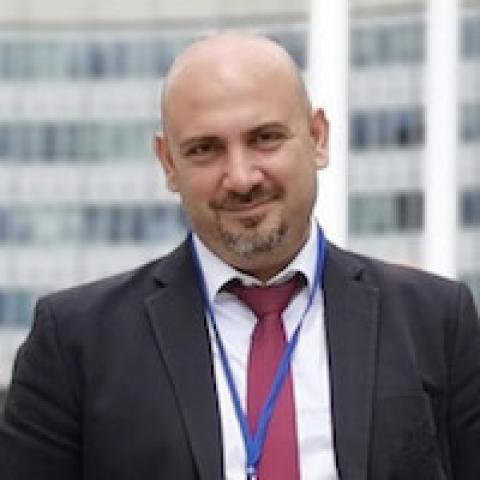
Ali Bagheri Kani, Iran’s new top negotiator, made his debut in Vienna. The man who used to be a fierce opponent of the 2015 nuclear deal, known formally as the Joint Comprehensive Plan of Action (JCPOA), is himself the one talking to world powers in what is seen as a mutual understanding to revive the same accord.
When this correspondent met him in Vienna, he was very cautious not to show any sort of pessimism toward the path, though he was clear that though negotiations are performed within a framework of give and take between all parties, his country gave what it should give in 2015, and it’s now the other side’s turn to bring something new to the table.
But the table of 2021 isn't the same as that of 2015. While the tabletop could appear the same, the four legs carrying it have been going through serious changes over the past years. The developments that followed the withdrawal of former US President Donald Trump from the deal in May 2018 — including the sanctions that were imposed and reimposed on Iran by the United States and the developments in Iran’s nuclear program that saw it enriching uranium up to 20% and later 60% purity — make it very difficult to see the same deal in place. Add to that the regional changes that have been taking place. When I asked Bagheri Kani whether he’s in Vienna to revive a dead deal, he made it clear that “the cost and the price for reviving the deal and sustaining the deal were paid for by Iran because the United States pulled out of the agreement and completely violated the deal and the Europeans failed in practice in showing full compliance within the JCPOA, and it depends on the behavior of the other parties, the European’s full compliance and the US return to the deal, for the deal to be revived.”


