Iraqi Sunni parties compete for parliament speaker
Two large Sunni coalitions, the Taqaddom alliance led by Muhammad al-Halbusi and the Azm alliance led by Khamis al-Khanjar, are competing for the position of parliament speaker.
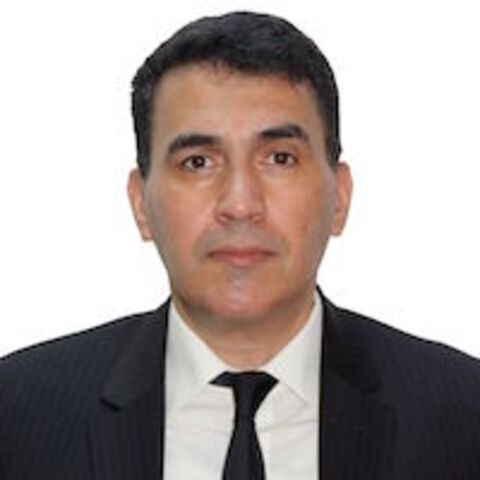

The recent announcement of a new Sunni alliance headed by wealthy businessman Khamis al-Khanjar opens a new chapter in the ongoing competition over the political leadership and spoils in post-election Iraq. The New Determination bloc, so far made up of 34 winners in the October election and hailing from five small parties, represents a serious challenge to Mohammed al-Halbusi’s political claim of Sunni representation in Baghdad. As the top Sunni winner with 37 seats, Halbusi’s Progress bloc, drawing several independent winners, now has 43 seats, making it the single most powerful Sunni player. The formation of Khanjar’s new bloc, with its membership likely to grow, will complicate Halbusi’s effort to become the sole leader of the Sunnis.
The immediate bone of contention between the two alliances is the speakership of the new parliament. Reserved for Sunnis in Iraq’s ethnosectarian power-sharing formula, the speakership carries with it the most political leverage and economic patronage a Sunni could aspire to. As the speaker of the outgoing parliament, Halbusi used the post to build his political base, pursuing a reconstruction campaign in Ramadi that earned him popular support, translating into his alliance’s electoral win in the recent election.
Khanjar’s alliance formation is widely seen to challenge Halbusi’s ambition to hold the speakership again. His move to form the alliance was worrying enough to Halbusi that he visited the businessman in Baghdad shortly after the alliance was announced, despite the bitter personal hostility between the two that was on display during the run-up to the election. Following the meeting, Halbusi said in a tweet that the meeting “stressed the importance of solving the dossiers of the disappeared, returning the displaced and reconstructing the liberated cities.” The reference to the “dossiers of the disappeared” is a concessionary nod to Khanjar’s main election theme and criticism of Halbusi's politics.
Halbusi’s rise to the speakership in 2018, based on a deal with the Shiite Fatah Alliance, essentially meant that he should keep silent about the Sunni “disappeared,” referring to those killed and buried in mass graves by Shiite militias and to the imprisonment and execution sentences issued by Iraqi courts based on false reports and confessions extracted under torture. The Popular Mobilization Units, heavily represented in the outgoing governing Fatah Alliance, were accused of human rights abuses against Sunnis during the military campaign against the Islamic State, including forcing Sunnis out of the Jurf al-Sakhar area southwest of Baghdad. Khanjar repeatedly talked about returning the displaced to this area. The joint statement from the meeting emphasized the intention of the two alliances to press with the Shiite “political partners” a number of “strategic dossiers including those of the disappeared and the displaced.”


