Israeli ultra-Orthodox rabbis make case to keep 'kosher' mobile phones
A delegation of the most senior ultra-Orthodox rabbis met with Communications Minister Yoaz Hendel to express their concerns over his panned communication reform.
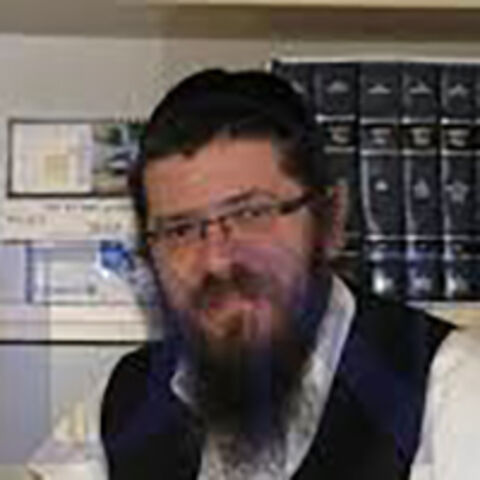

A delegation of Hassidic leaders and rabbis met Nov. 29 with Communications Minister Yoaz Hendel in what was considered a highly unusual event. So unusual, in fact, that it violated the boycott declared by the ultra-Orthodox community against the new government in which they are no longer represented. No official meetings have been held so far between ultra-Orthodox rabbis and representatives of the government, certainly not widely publicized ones such as the meeting with Hendel.
The rabbinical delegation included the Vizhnitz Rebbe, a leading member of the Torah Sages Council. Its mission was to dissuade Hendel from going through with a planned telecom market reform, which they view as a dire blow to the ultra-Orthodox. The rabbis urged Hendel to stay out of an arena that has been largely off limits to the Communications Ministry until now, which is non-smartphones used by the ultra-Orthodox.
These are not simple non-smartphones, but a system put in place by the ultra-Orthodox community. This phenomenon, known as “kosher telephones,” came into being some 20 years ago when mobile phones began to proliferate and attracted the interest of the ultra-Orthodox community.
While the cellular phone was a welcome sign of progress for most of society, the rabbis and Hassidic leaders immediately understood its inherent threats to the ultra-Orthodox lifestyle and beliefs and established the Rabbinical Committee for Communications to regulate the issue. This forum turned to mobile phone service providers with a simple request: to provide phones for ultra-Orthodox Jews that can only be used to make or receive calls, without text capabilities or internet connectivity.


