Libya turns on Russia over Ukraine war, but does it matter?
Libya’s incoming prime minister initially avoided commenting on Russia’s war in Ukraine. But after Russia welcomed his new government, he turned against Moscow.
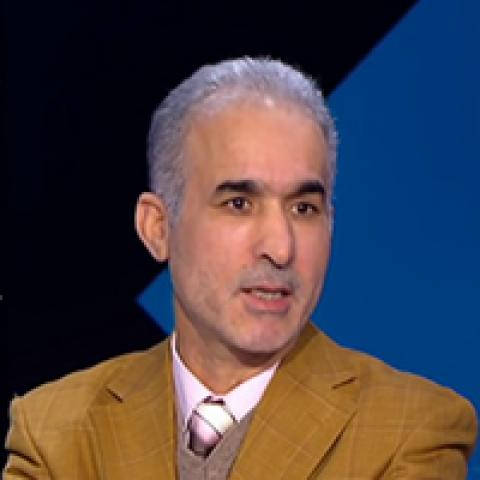

In his vote of confidence speech delivered on March 1 before parliament in Tobruk, Libya’s incoming Prime Minister Fathi Bashagha avoided any mention of the Russian invasion of Ukraine despite it being the dominant event of international politics. As the new prime minister, it would have made sense to comment on the issue.
The Russian Foreign Ministry was the first major power to have welcomed Bashagha and his new government. The ministry’s spokeswoman, Maria Zakharova, commented by saying, "We think that this choice by Libyan lawmakers should be respected."
"We hope that Libya’s new government led by Fathi Bashagha will be able to unify the Libyan society, which will help to successfully cope with the difficult tasks of the transitional period,” Zakharova said. Even before the 2011 Libyan civil war, Moscow had good relations with Libya, where Russian businesses have multibillion-dollar contracts. During his 2008 visit to Libya, Russian President Vladimir Putin agreed to cancel Libya’s debt while signing a railway deal worth over $3 billion. After the civil war, Moscow became an important player in Libya by having a direct military role in the civil conflict.
A day after gaining the confidence of parliament members, Bashagha published a series of tweets in which he condemned Russia’s attack on Ukraine as a "clear violation of international law and the sovereignty of a democratic Ukraine."


