US carries out new strikes on southern Iran


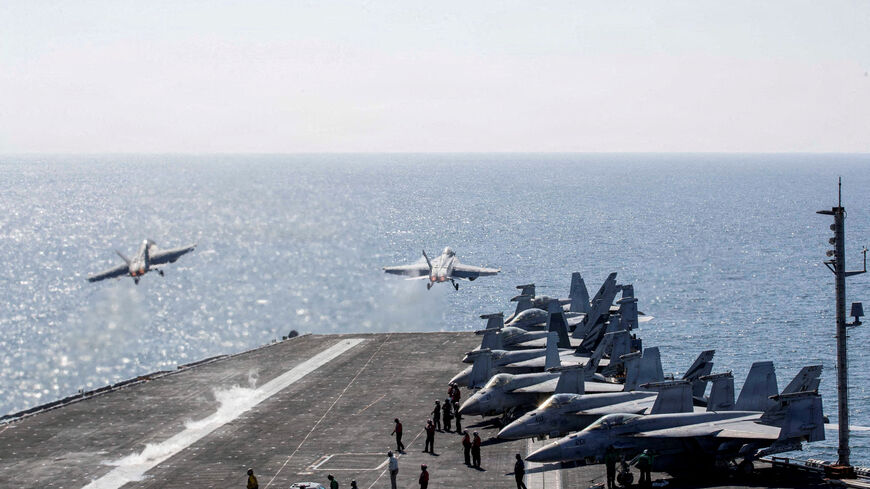
The United States carried out new strikes on southern Iran on Thursday, after President Donald Trump threatened to "finish the job" if Tehran did not agree to a peace deal.
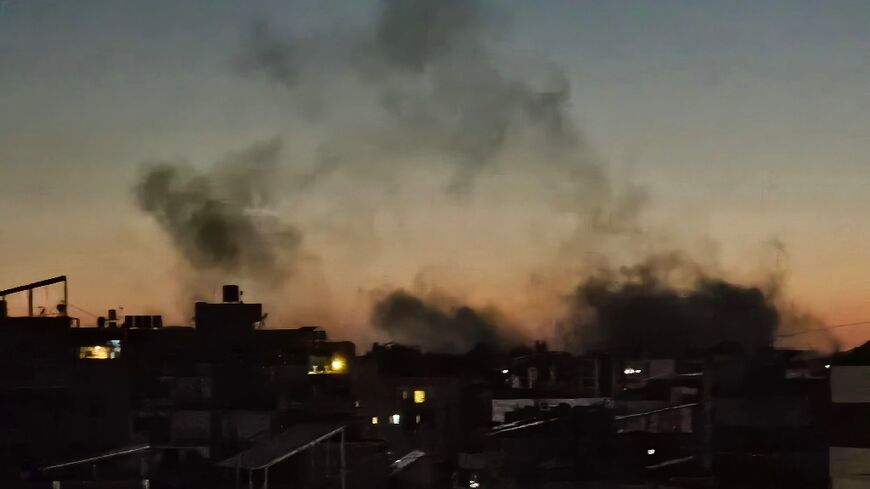
Iranian media reported three loud explosions rang out in the port city of Bandar Abbas in the early hours of Thursday morning, following US strikes earlier in the week that underscored the fragile state of a diplomatic push to get a provisional peace agreement across the finish line.
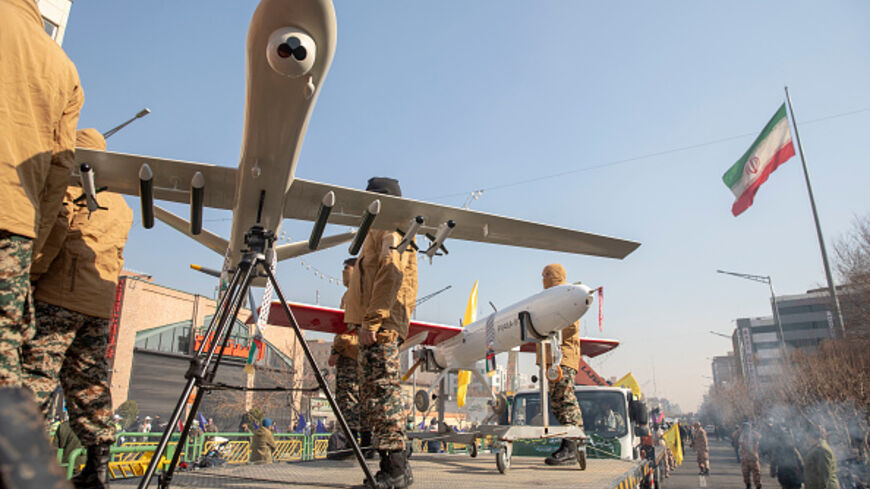
"Today, US Central Command Forces shot down four Iranian one-way attack drones that posed a threat around the Strait of Hormuz," a US official, speaking on condition of anonymity, said in a statement to AFP.
"US forces also struck an Iranian ground control station in Bandar Abbas that was about to launch a fifth drone," the official said.
Even after earlier strikes on Monday night, Iran said on Wednesday a return to war was unlikely but that its military was nonetheless "lying in wait".
The mixed signals have thrown into question talks aimed at formally ending the war that began on February 28 with US-Israeli strikes on Iran.
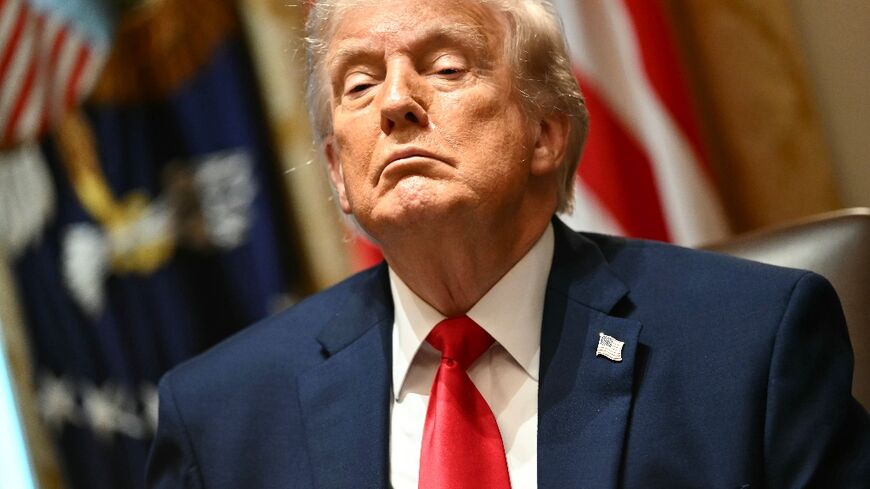
"Iran is very much intent, they want very much to make a deal. So far they haven't gotten there. We're not satisfied with it, but we will be," Trump said at a televised White House cabinet meeting on Wednesday.
"Either that or we'll have to just finish the job."

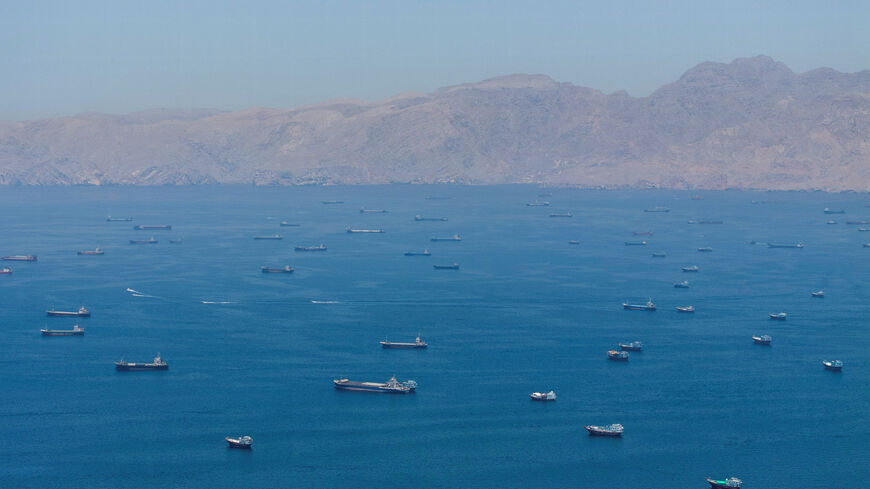
A key focus of the deal has also been restoring full traffic to the Strait of Hormuz, which Tehran has effectively closed, leaving global energy markets grappling with curbed supplies of the huge amounts of oil and gas that normally pass through it.
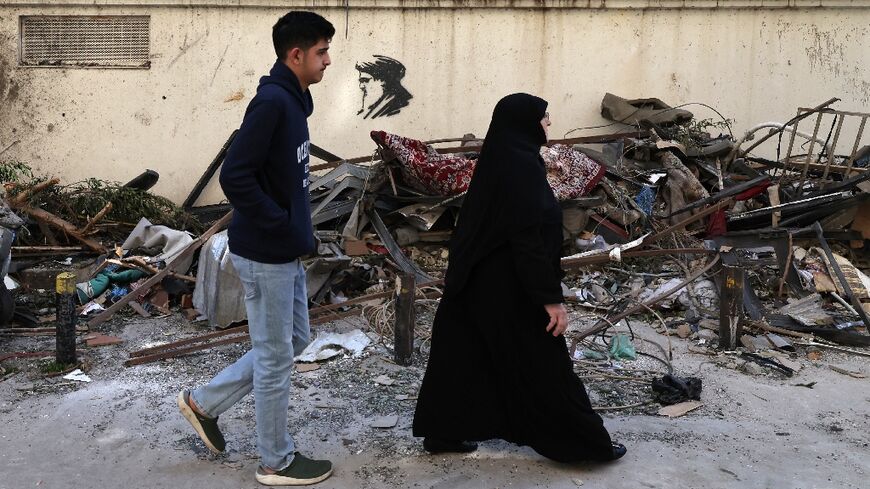
On another front of the war, in Lebanon, Israel issued fresh evacuation orders to residents of the southern city of Tyre, warning it would take action against Iran-backed Hezbollah after declaring all areas south of the Zahrani River, which lies roughly 40 kilometres (25 miles) from the border, as "combat zones".
Trump separately also appeared to direct a warning to Oman, a US ally and mediator in the conflict, when asked about a possible short-term arrangement allowing Iran and Oman to control the Strait of Hormuz.
"No, the strait is going to be open to everybody," Trump said. "It's international waters and Oman will behave just like everybody else or we'll have to blow them up. They understand that, they'll be fine."
The White House did not immediately clarify whether Trump had misspoken. Oman has played a mediation role in the war and has itself come under attack from Tehran.
Earlier on Wednesday, Iranian Revolutionary Guards official Mohammad Akbarzadeh said the likelihood of "war is low because of the enemy's weakness", but warned the military was "lying in wait with full magazines" if attacked, the Tasnim news agency reported.
Trump, who said at the weekend a deal was close, also told the cabinet meeting he was in no rush.
- Lebanon operations -
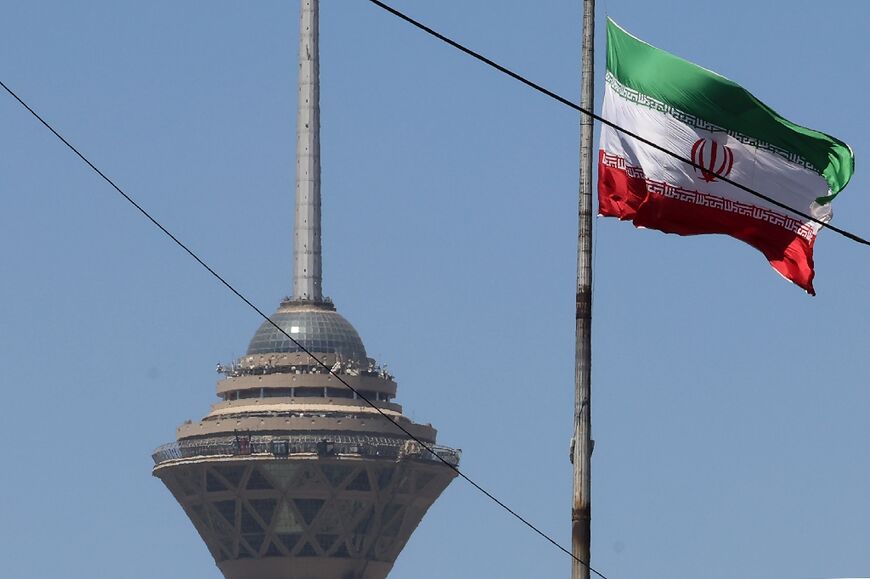
Iran and the United States have traded threats for weeks while negotiating through Pakistani mediation.
Neither side appears ready to compromise on the main sticking points: Hormuz and Iran's nuclear programme.
On Wednesday, the Guards' navy said only ships "willing to abide by Iranian order" could pass through Hormuz.
US Secretary of State Marco Rubio said Tuesday that a deal remained within reach, but that the Hormuz would be reopened "one way or the other".
Iran has also insisted any peace accord must apply to Lebanon, where an April 17 ceasefire has done little to halt fighting between Israel and Hezbollah, which drew the country into the war by attacking Israel in early March in retaliation for the death of Iran's supreme leader.
Israeli Prime Minister Benjamin Netanyahu vowed Monday to "crush" Hezbollah, while army chief Lieutenant Colonel Eyal Zamir said Wednesday that Israel was "intensifying our operations" against the group.
After the warning to evacuate large areas in southern Lebanon, many residents fled to Tyre, according to AFP journalists -- the city subject to new Israeli evacuation orders on Thursday.
- 'Nothing is certain' -
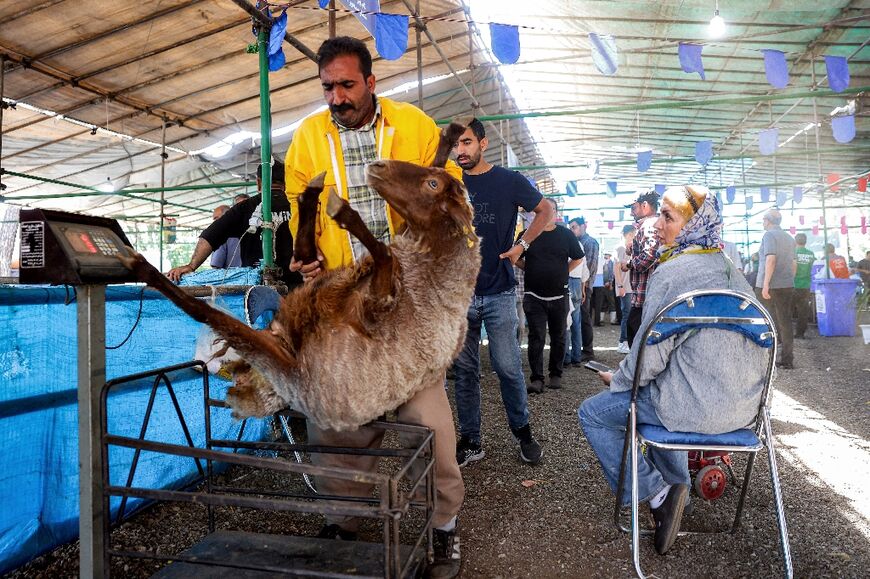
Hopes of an imminent deal sent benchmark oil contracts falling more than five percent Wednesday but they quickly bounced higher after the fresh strikes were reported on Thursday.
Economists have warned that prolonged disruption in the Strait of Hormuz could keep energy prices elevated, feed inflation and force central banks to raise interest rates.
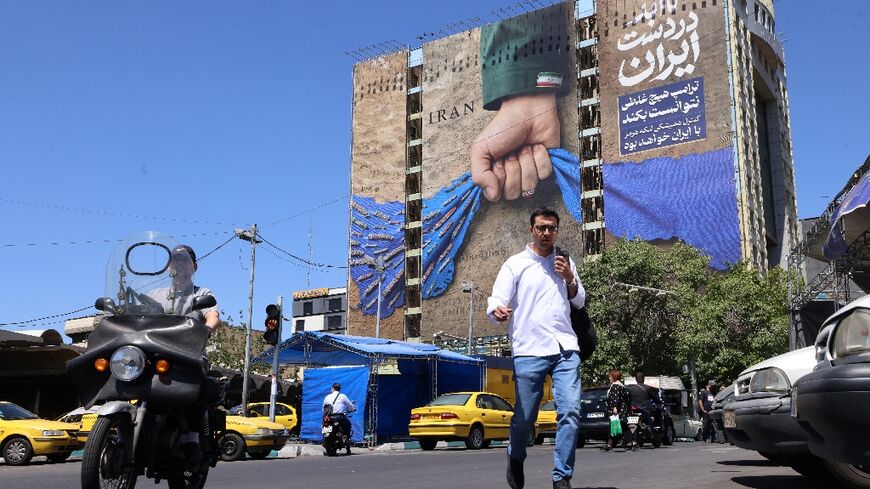
In signs of a possible return to normality despite conflict around the region, Iranian authorities partially restored access to the global internet this week after a three-month shutdown.
"I do feel better now because I finally can use my favourite applications," said Hana, a 20-year-old student in Tehran who gave only her first name.
"At the same time, I have this concern that war might resume any minute and just cut me off again from my friends."
Amir, a 27-year-old software developer in the Iranian capital, also feared renewed fighting despite talk of a deal.
"I feel like nothing is certain yet," he said.
"The daily question is: Will there be missile strikes tonight?"