Syria announces Sharaa's parliamentary appointees, SDF Kurds sidelined
The Syrian government has announced the list of 70 members appointed to its transitional parliament.
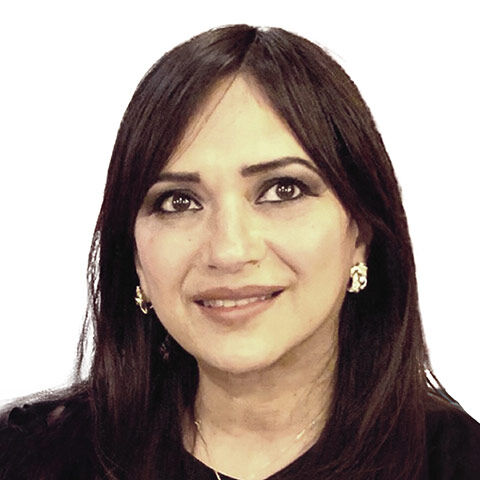

Syria’s government announced the list of 70 members appointed by President Ahmed al-Sharaa to its transitional parliament on Wednesday. The 210-member chamber will finally convene next week after an eight-month formation process that critics slammed as discriminatory.
The People’s Assembly will hold its first session on Monday, Mohamed Taha al-Ahmed, the head of the Higher Judicial Committee for Parliamentary Elections, told a news conference on Wednesday.
The presidential appointees represent a wide range of figures, most notably 15 women, raising the number of female lawmakers to 21.
The presidential appointees include:
- Abdul Hakim Bashar, a leading member of the Kurdish National Council
- Laith Balous, an ethnic Druze from Suwayda who is the son of prominent Druze cleric Wahid al-Balous
- Rozina Lazkani, a popular female TV drama actor
- Gabriel Moushe Gawrieh, an Assyrian-Christian activist
- Lara Qadis, a Christian Armenian lawyer from Aleppo
Sharaa had vowed to use the quota reserved for presidential appointments to rectify the imbalance that emerged in last year’s elections. The process involved the selection of vetted candidates by regional electoral colleges over which the president and his allies are alleged to have significant sway. Authorities had argued an indirect system was necessary due to a lack of reliable population data following nearly 14 years of civil war. Two-thirds of lawmakers were subsequently elected in an October 2025 race that was boycotted by the Kurds and excluded Suwayda, where Druze militias prevail.
The parliament will have 30 months to draft a new elections law that will lay the groundwork for a popular vote in the next elections.
Sharaa’s promotion of women, including secular figures such as Lazkani, will undoubtedly please Western governments that have openly embraced Sharaa since the former jihadi overthrew Syria’s longtime dictator, President Bashar al-Assad, in December 2024.
Two Alawites were also appointed, raising their total to five.
“The president’s appointments seem to have marginally improved the diversity of the transitional parliament. But this is still a body that is significantly less diverse than the country,” said Noah Bonsey, senior adviser on Syria at the International Crisis Group.
Key priorities for the legislature will be to address threats posed by vigilante violence, sectarian incitement and hate speech. “The government needs to be more proactive and consistent in addressing these, and new legislation could help,” Bonsey noted. Sharaa’s government has been harshly criticized for its failure to stem the mass killings of Alawites and Druze last year, with members of the security forces taking part in the slaughter, according to rights groups.
Another priority will be legislation to clarify the basis of the transitional justice process for crimes committed by the previous regime and others as well as violations by the government forces during the transition process, Bonsey added.
The omission of individuals with links to the Syrian Democratic Forces is widely seen as a further erosion of the Kurdish-led administration’s power. The deterioration began in earnest after three weeks of bloody clashes with Syrian government forces in January that resulted in the SDF losing more than 80% of the territory under its control. The withdrawal of US forces from the Kurdish-led northeast in April after 12 years of partnership with the SDF against the Islamic State dealt a further blow.
A US-brokered ceasefire ended the fighting and led to a revised integration deal that was signed on Jan. 29 between Sharaa and the SDF’s commander-in-chief, Mazlum Kobane.
In the months since, SDF forces have been steadily integrating with the Syrian national army and a top SDF commander, Sipan Hemo, was appointed the deputy minister of defense with oversight over the Kurdish-majority region in the northeast.
A vote was held in northeast Syria in May in the Arab-majority provinces that were taken over by the government from the SDF as well as in Qamishli and the predominantly Kurdish town of Kobani. The SDF boycotted those elections as well, though SDF commander Kobane handpicked two candidates for his native city. Neither won.
Laws to provide a clear framework for foreign investment will prove critical going forward as Syria’s economic needs are “massive,” Bonsey said. The country is looking to foreign investors to lead economic recovery after more than a decade of conflict. However, “many potential partners will remain reluctant to follow through until legal frameworks are clearer,” Bonsey added.
This developing story has been updated since initial publication.
This one's on us.
The story doesn't end here.
Our correspondents are already on the next chapter. Read everything they file, from $2/week.
See Offers