US vows to punish Iran after Houthis strike tankers


Iran and the United States threatened on Thursday to step up attacks on one another, after Tehran's Houthi allies struck Saudi shipping and sent oil prices soaring.
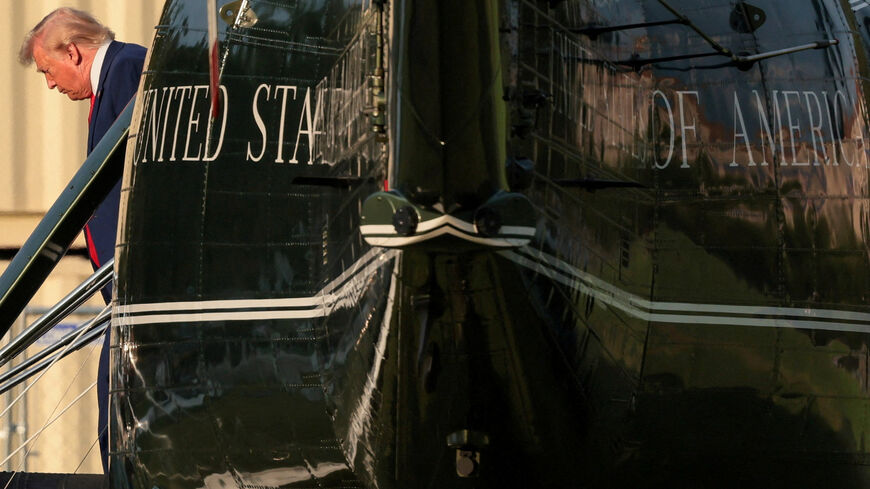
President Donald Trump said the United States would hold Iran responsible for the Houthis' actions and warned both would soon receive a "major military punishment".
The international oil benchmark Brent crude surged past $100 a barrel for the first time since May, up 8.4 percent, while world leaders expressed alarm after Yemen's rebels hit oil tankers in the Red Sea.
"The situation is getting out of control. It is teetering on the edge of the unimaginable," United Nations Secretary-General Antonio Guterres warned.
"One crisis feeds another. One escalation triggers the next," he told a meeting of the UN Security Council.
European Central Bank President Christine Lagarde warned "the energy shock could intensify further" and push up inflation, feeding speculation about a September eurozone interest rate hike.
German Defence Minister Boris Pistorius, meanwhile, warned of "dire consequences" for oil-importing economies and said "nothing -- absolutely nothing -- suggests that a ceasefire, let alone peace, could be reached".
The war resumed this month after a ceasefire that had lasted just a few weeks, throwing the region back into chaos as Iran and the United States battled for control of the vital Strait of Hormuz.
"The armed forces' retaliatory attacks will continue as long as the US attacks on the country's infrastructure and coastal areas continue," Iran's army spokesperson Mohammad Akraminia said, according to state television.
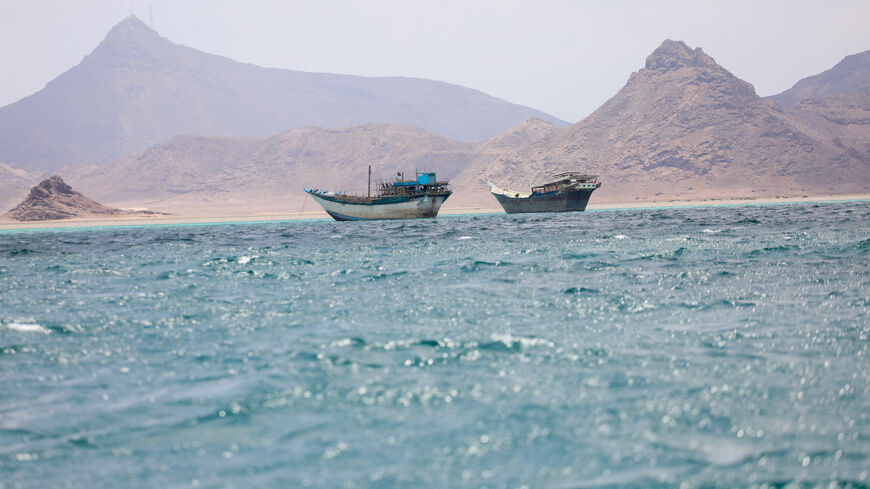
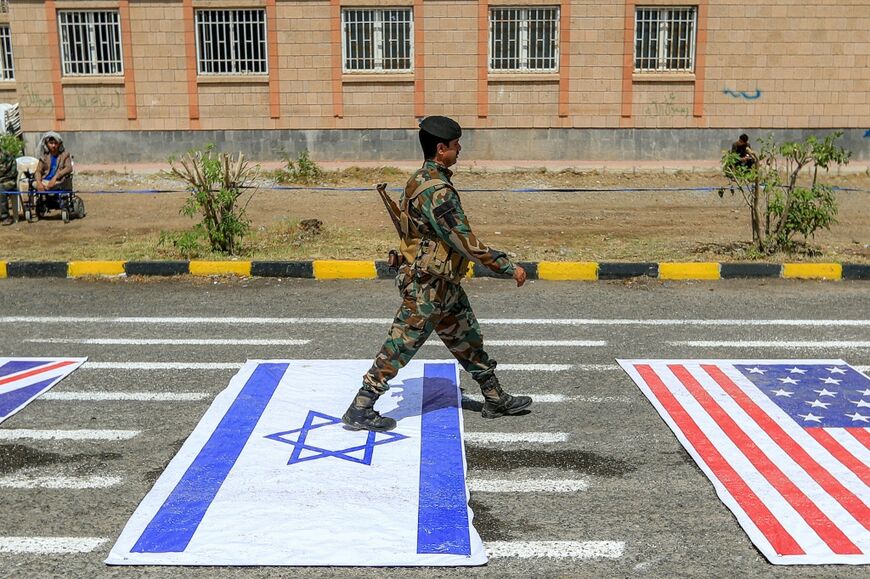
Yemen's Houthis joined the conflict this week, declaring a blockade of Saudi ports and claiming attacks on tankers.
Jordan and Kuwait both reported intercepting strikes as Iran's military and Revolutionary Guards claimed to be targeting US assets in both countries.
- Houthis step in -
While Trump has returned to war and his fierce rhetoric, the war is proving increasingly unpopular at home.
With midterm elections looming in November, the US House of Representatives passed a symbolic vote, backed by opposition Democrats and a handful of Republicans, calling for the president to halt the war.
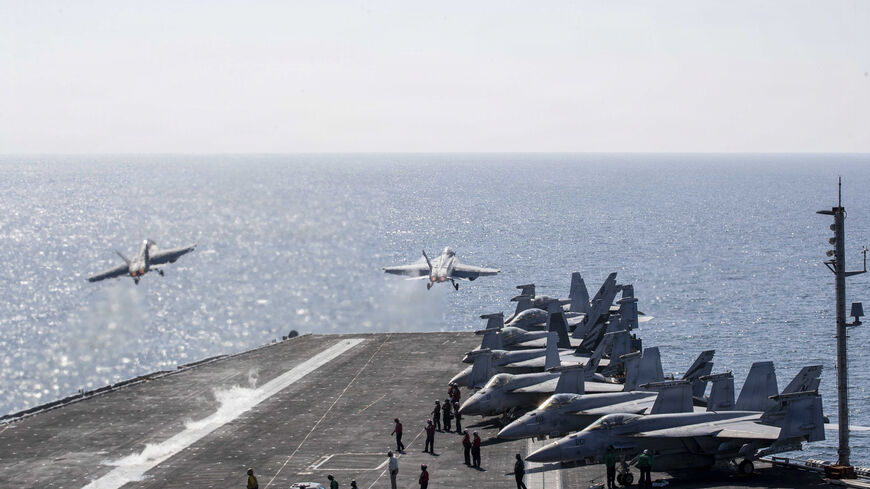
It came after US Central Command reported its twelfth consecutive night of strikes, saying it aimed to "further degrade Iran's ability to threaten civilian mariners and commercial vessels transiting regional waters".
Iranian state media said Thursday that a US attack killed two people at Shalamcheh on the Islamic republic's border with Iraq.
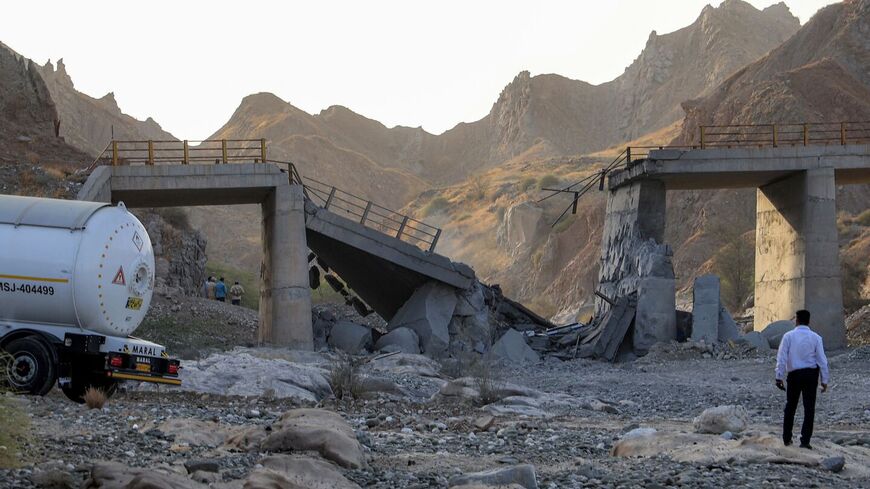
It also reported that two US missiles hit Bushehr, home to the country's only civilian nuclear plant and a frequent target of Washington's strikes.
Later, the Tasnim news agency reported a missile attack on Qeshm Island in the Strait of Hormuz.
Kuwait, meanwhile, reported a drone attack against one of its border posts with Iraq, saying it caused no casualties.
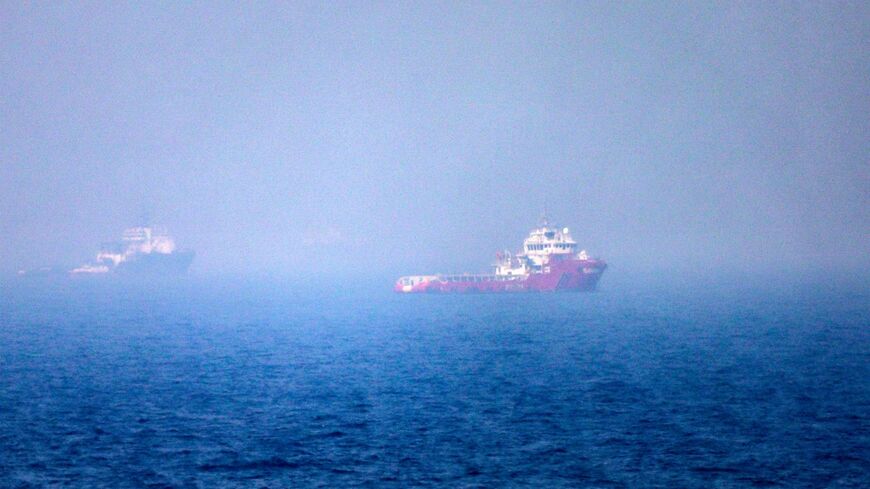
The Houthis said they had carried out missile and drone strikes on two Saudi tankers in the Red Sea, the Encelia and the Layla, after declaring their blockade of Saudi ports.
British naval security monitor UKMTO said the master of a tanker reported being hit by an unknown projectile about 70 nautical miles southwest of Al Shuqaiq, causing a fire.
Saudi Arabia confirmed the Encelia had been struck, without commenting on the other tanker.
The new threat in the Red Sea could compound the shock of the Hormuz closure, endangering Riyadh's ability to bypass the strait for some oil exports.
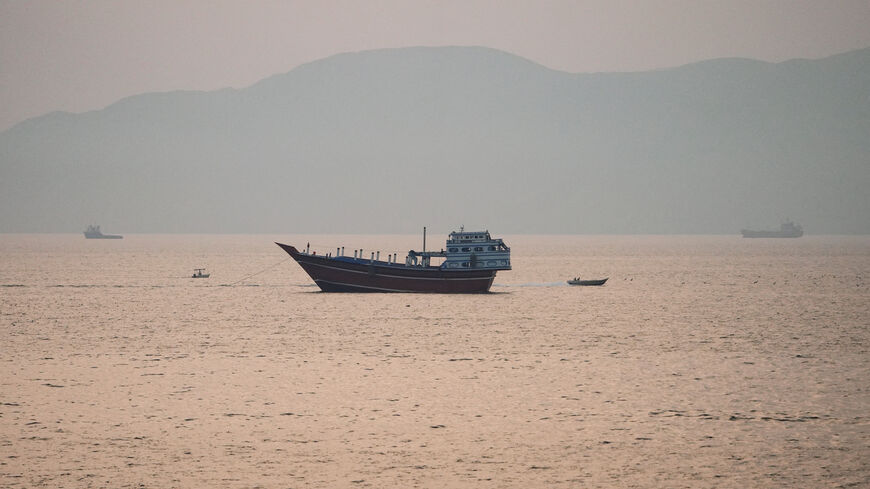
Iran's Revolutionary Guards said they stopped three oil tankers from transiting Hormuz, as they vie with the US Navy for control over a route through which around one fifth of the world's oil once passed.
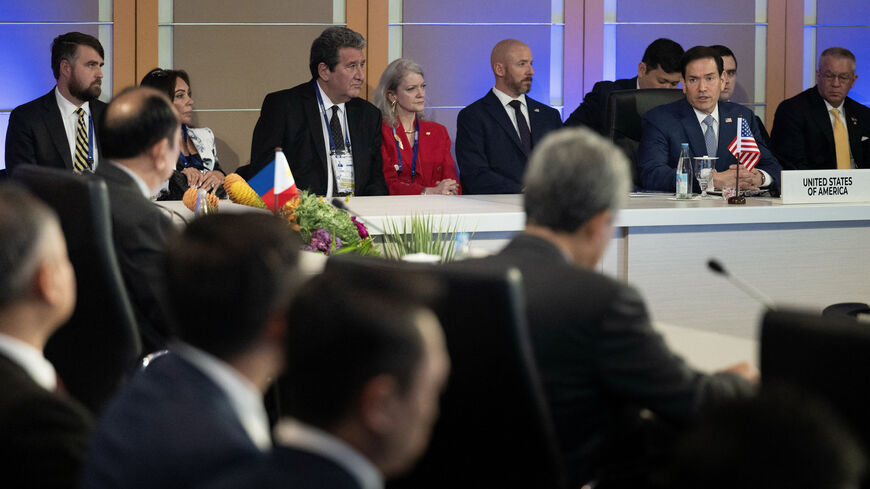
On the sidelines of a Southeast Asian summit in Manila, US Secretary of State Marco Rubio said the Houthis had been "suckered" into attacking Red Sea shipping by Iran.
"The Houthis largely were smart and stayed out of all this throughout the conflict, but they now apparently have gotten themselves suckered into this, going after Saudi Arabia and their ships," Rubio said.
"I hope they will de-escalate, because I think the Houthis, frankly, got snookered into this thing by the Iranians."
Oman, a key mediator in the longstanding war between the Houthis and Saudi Arabia, said it was working to resume talks between the two sides, as it voiced "great concern" at the situation in the Red Sea.
bur/dcp/dc