Can Turkey’s Bashiqa withdrawal pave the way for deeper Iraq ties?
Ankara hopes the planned handover of its Bashiqa base will deepen security cooperation with Baghdad and unlock broader economic ties, but implementation hinges on restoring Iraqi state authority in Sinjar, where previous efforts to remove armed groups have stalled.


ANKARA — Turkey is seeking to use its deal to withdraw forces from the Bashiqa military base in Iraq to deepen security cooperation with Baghdad and pave the way for broader economic ties, but the agreement's success may hinge on the far more difficult task of restoring Iraqi state control over Sinjar.
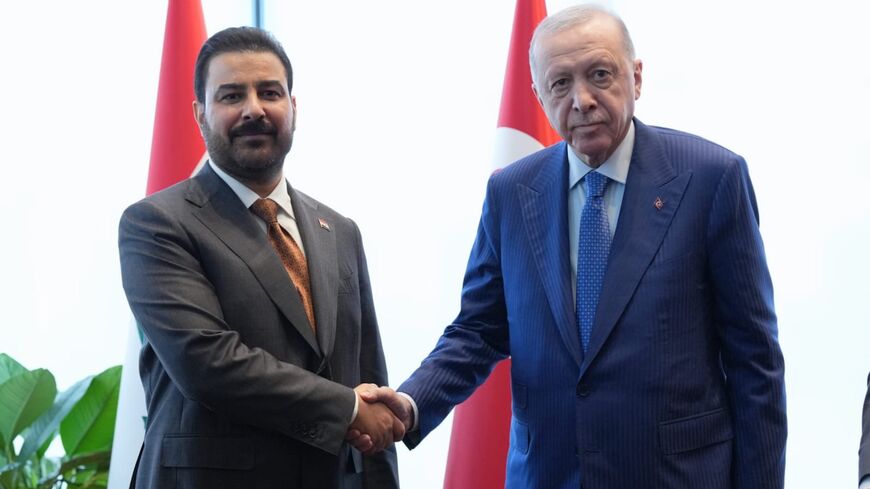
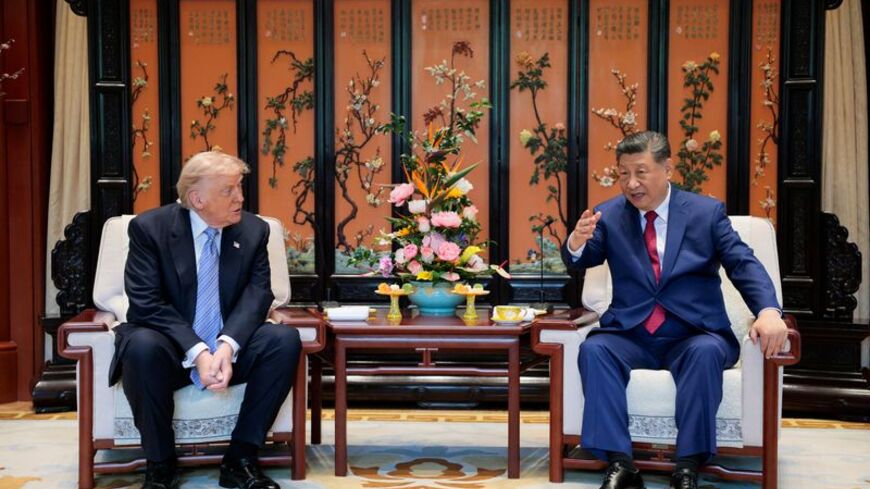
Turkey and Iraq announced the Bashiqa deal on Wednesday, following a meeting between Turkish President Recep Tayyip Erdogan and Iraqi Prime Minister Ali al-Zaidi in New York on the sidelines of the UN General Assembly.
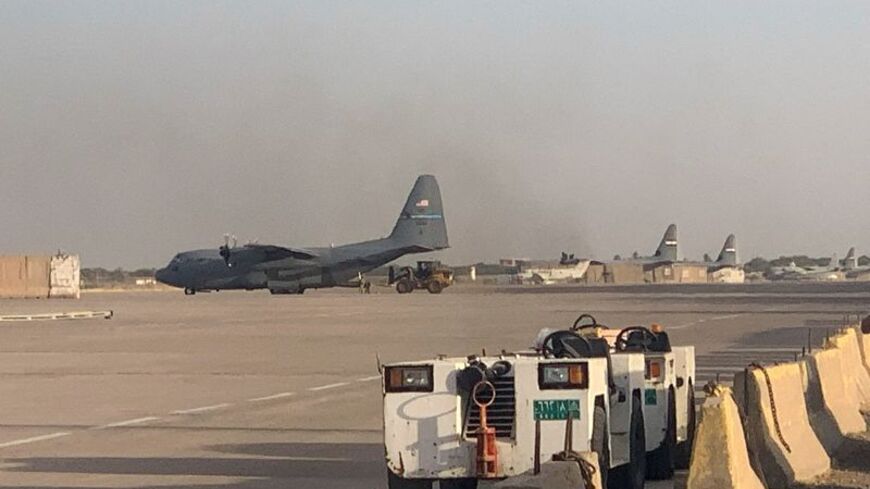
Under the deal, Turkish forces will gradually hand over the Bashiqa military base — located near Mosul in northern Iraq — to Iraq’s federal government, according to an agreed mechanism and timetable. Neither government has publicly disclosed that timetable or the number of Turkish troops affected. Turkey has not publicly disclosed how many troops it maintains in northern Iraq, where it operates more than 100 military installations, with Bashiqa the largest.
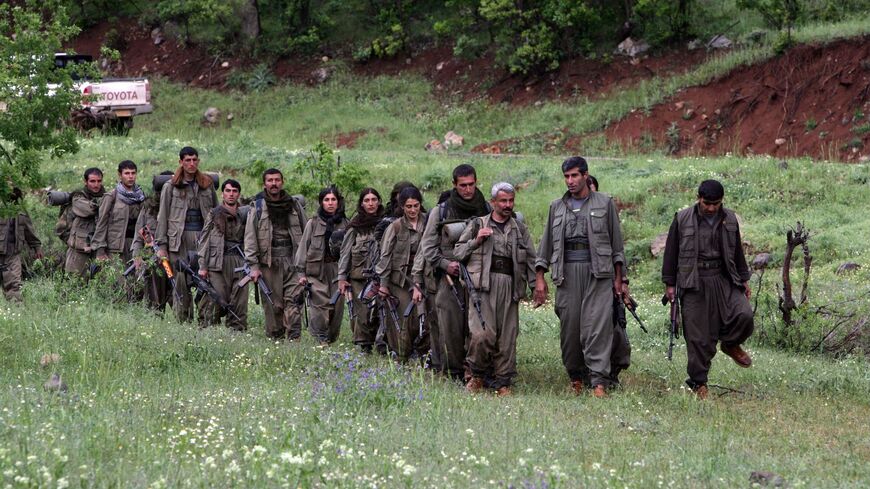
The handover is linked to Baghdad restoring full authority in Sinjar and bringing Kurdistan Workers' Party (PKK)-affiliated groups operating outside state control under the Iraqi government’s authority in the predominantly Yazidi region of northwestern Iraq near the Syrian border.