12 countries including France, UK, Canada end trade with West Bank settlements
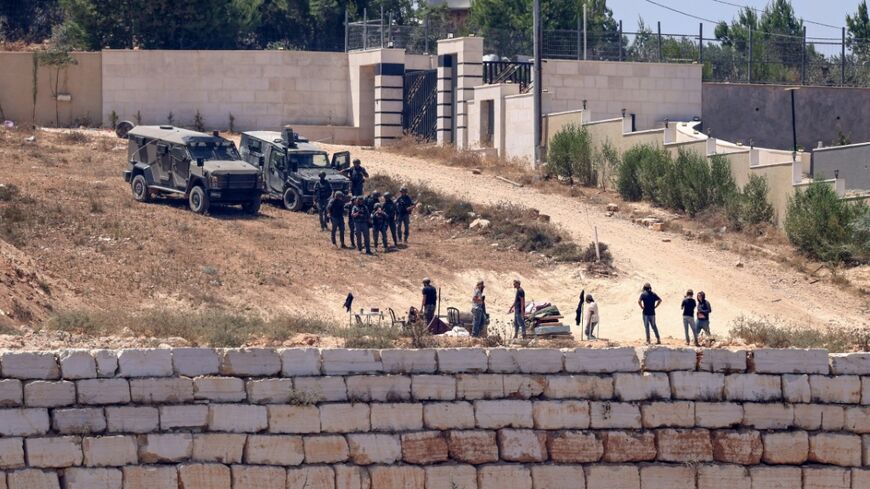
The decision comes against the backdrop of an escalation in settler violence and settlement expansion in the occupied West Bank.



France, the UK, Canada, Denmark, Spain, Finland, Ireland, Iceland, Norway, Poland, Portugal and Sweden ended the trade of goods from Jewish settlements in the occupied West Bank on Tuesday.
What happened: French Foreign Minister Jean Noel-Barrot confirmed the sanctions in a post on X, explaining that the decision was made in consideration of the escalation in settler violence and settlement expansion and the positions taken on these issues by the Israeli government.
"The West Bank is on the brink of explosion: unchecked expansion of colonization in violation of international law, surge in violence perpetrated by extremist settlers against Palestinians, acts of terror denounced by the Israeli authorities themselves," Barrot said.
"This deleterious situation gravely undermines the dignity of the Palestinian people. It jeopardizes Israel's security, to which France remains steadfastly committed. It undermines the two-state solution, the only alternative to a permanent state of war," he added.
European diplomatic sources told Al-Monitor the decision stemmed from a joint British-French initiative. In the X post, Barrot called on other European Union member states to impose sanctions.
The diplomatic sources said that discussions had been underway between Paris and London this week over whether to announce the move now, seven weeks before the Oct. 27 elections in Israel, or wait until afterward. Ultimately, it was decided that the urgency of the situation in the West Bank left little choice but to move forward with the initiative.
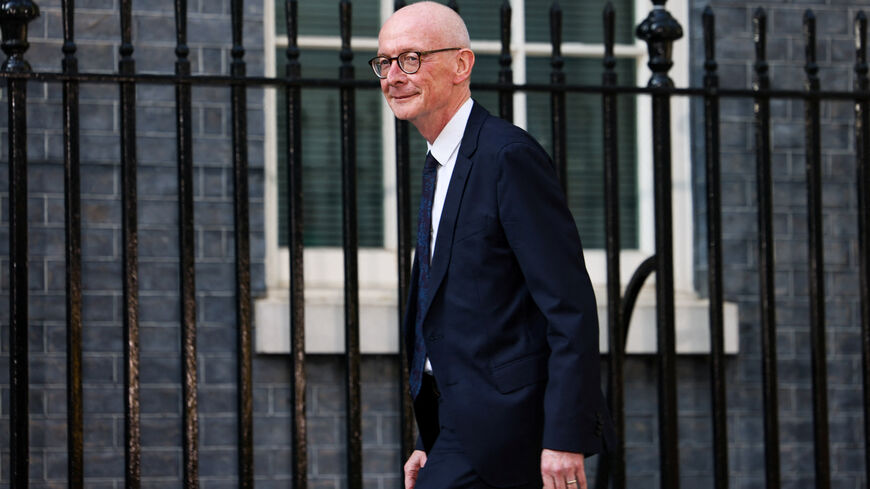
Previewing the expected measures on Tuesday, British Foreign Secretary Ed Miliband said the sanctions were intended to prevent the destruction of the two-state solution.
Speaking at an event in Jerusalem on Tuesday, Israeli President Isaac Herzog said sanctions would be a “serious error in judgement and choosing the wrong side of history,” adding, “Sanctions are not a solution. Dialogue is.”
Why it matters: The measures mark a significant escalation between Israel and top Western allies amid rising global criticism over Israel’s policy in the West Bank, where settler violence against Palestinians has surged in areas the international community views as part of a future Palestinian state.
While Israel is not expected to reduce its diplomatic representation in countries imposing sanctions on it or to expel diplomatic staff serving in Israel, other punitive measures could follow. Israel could decide to expel the British representatives at the Kiryat Gat Civil-Military Coordination Center, which is responsible for advancing US President Donald Trump’s peace plan for the Gaza Strip, Israeli outlet Ynet reported Tuesday, citing diplomatic sources. After the United States and Israel, the United Kingdom has the third-largest military presence at the headquarters.
The United States warned the United Kingdom on Tuesday that it would respond to the sanctions.
US Ambassador to Israel Mike Huckabee accused the United Kingdom's ruling Labour Party of “discrimination against the Israeli government” and said Washington would respond "without a doubt."
“It’s like throwing a stone and not having an idea of where it’s going to land. The UK is a sovereign country; they can do what they want, but so is the US," Huckabee said.
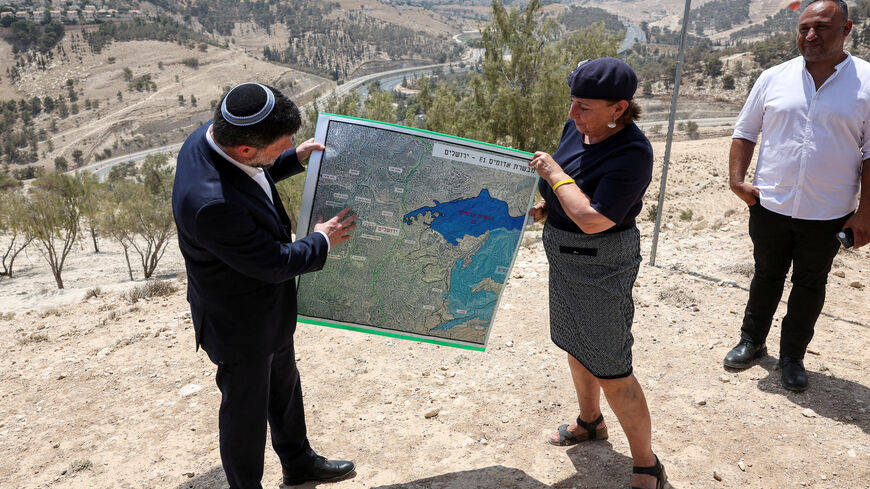
The sanctions follow a flare-up of violence in the West Bank over the weekend and come as the Israeli government pushes to advance an internationally condemned E1 settlement project that critics say divides the West Bank into northern and southern sections, making it virtually impossible to establish a contiguous Palestinian state.
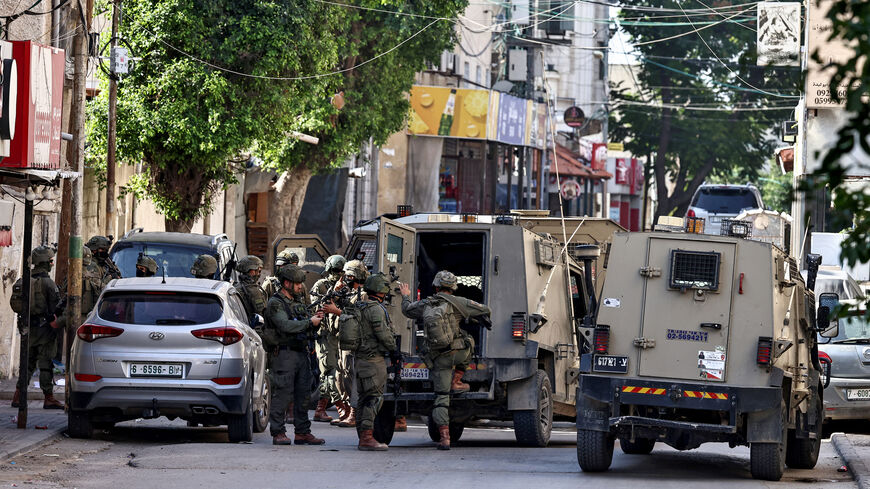
On Sunday, Israeli settlers raided the Palestinian village of Jajja near Qalqilya. The Palestinian Health Ministry said 20-year-old Omar al-Tubasi was shot and killed by settlers and two other Palestinians were injured.
On Monday morning, a Palestinian assailant stabbed an Israeli settler at the Maoz Yehuda outpost near the village of Qusra in the northern West Bank. The military said it later located and killed the assailant, who had fled the scene and allegedly attempted to attack soldiers.
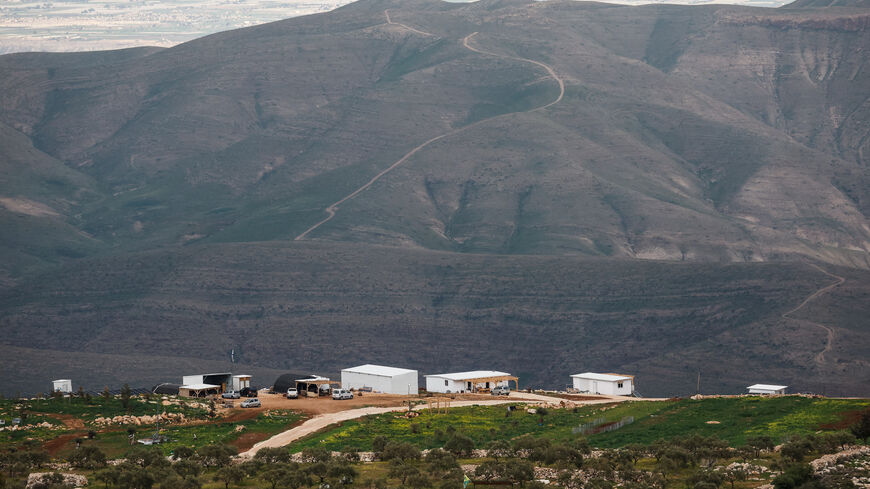
In a rare move by an Israeli leader, on Sunday Netanyahu ordered the removal of unauthorized settler outposts in parts of Area B, where the Palestinian Authority has civil authority but Israel retains security control. Around 100 outposts are expected to be taken down, although no timetable was announced and the move was not enough to head off the Canadian and European sanctions.
Know more: Israeli political sources told Al-Monitor earlier this week that France and Israel had tried to ease tensions and repair bilateral ties following the diplomatic crisis that began on Sept. 22, 2025, when France led a United Nations initiative to recognize Palestine. Since then, political and diplomatic dialogue between the two countries has been virtually nonexistent. The sources added that if France goes ahead with sanctions targeting settlement trade, the diplomatic crisis will deepen.
The Israeli political sources said that expelling the newly arrived French ambassador is not on the agenda.