How militias in Anbar could complicate Iraq’s energy ambitions
Securing western Anbar is emerging as a key test of Iraq’s ability to curb armed factions, attract foreign investment and unlock the province’s vast energy potential.


AMMAN – Securing Anbar, Iraq's largest and sparsely populated province, will play a key role in ensuring the country can develop greater energy self-sufficiency and improve relations with both Syria and the US, local residents say.
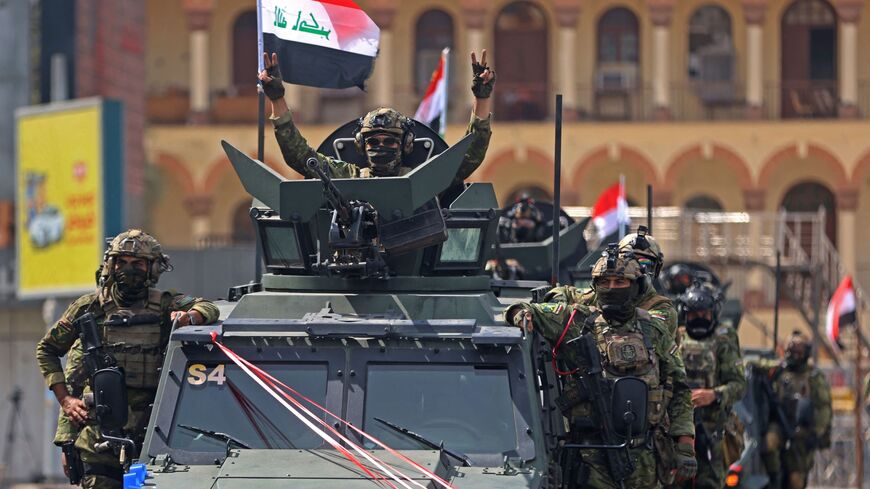
Almost nine years after the Islamic State was pushed out of its last strongholds in western Anbar, Iran-backed Shia armed factions continue to wield power and weapons in this Sunni-majority province, including the more hard-line factions involved in the Islamic Resistance in Iraq. These factions have vowed to “never” give up their weapons to the central government.
"We saw a sharp drop in drugs smuggled in after the [former Syrian President Bashar al-Assad] regime across the border fell" in December 2024, one resident of al-Qaim told Al-Monitor during a visit to the Iraqi city on the border with Syria in early March when asked about the security situation.
"Before, Iran-backed groups including parts of the [government-salaried] Popular Mobilization Units were involved," he said. "Most of them we don’t have any contact with — just Brigade 13, Liwa al-Tafuf. And they are sort of OK."