Why Turkey has few options to protect Black Sea shipping
The Russia-Ukraine drone war is hitting Turkish commercial interests, exposing the limits of Ankara’s ability to protect shipping while remaining outside the conflict.


ANKARA — While escalating Black Sea attacks by warring Russia and Ukraine are hitting Turkey’s economic interests, international maritime law and Ankara’s approach to containing the conflict sharply limit its options to protect commercial shipping without risking deeper involvement in the war.
Increasing attacks on Turkish-operated vessels in the Black Sea by both Russia and Ukraine — as well as strikes on each other's vessels — are raising shipping costs and threatening trade routes critical to Turkey's economy. International maritime law as well as Turkey’s strict adherence to the Montreux Convention (governing the passage of civilian and military vessels through the Turkish Straits) leave Ankara with limited room to respond.
Military escalation between Russia and Ukraine in the Black Sea has been intensifying since June, when Russia stepped up strikes on Ukrainian ports and export infrastructure, and Ukraine expanded drone attacks on Russian ports, energy facilities and vessels linked to trade. July was the deadliest month for seafarers in the region, with 23 killed in attacks on 35 ships, according to the Seafarers' Union of Turkey. Turkish-linked vessels have increasingly been caught in the crossfire.
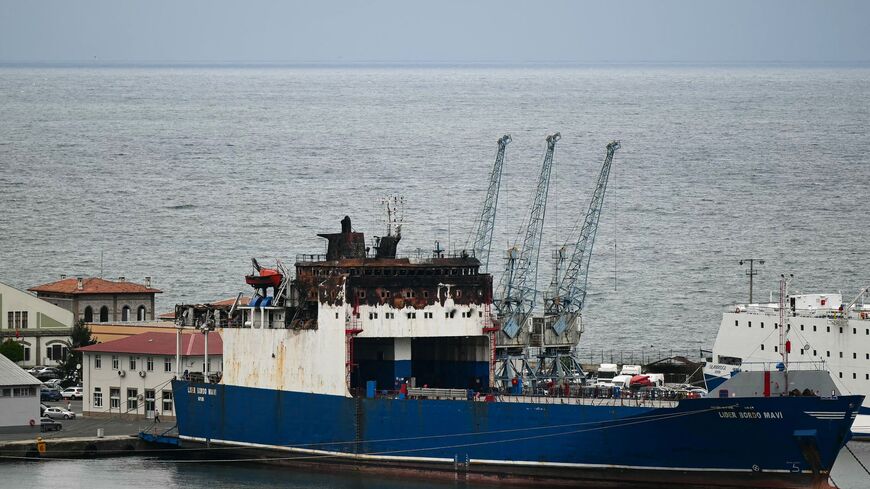
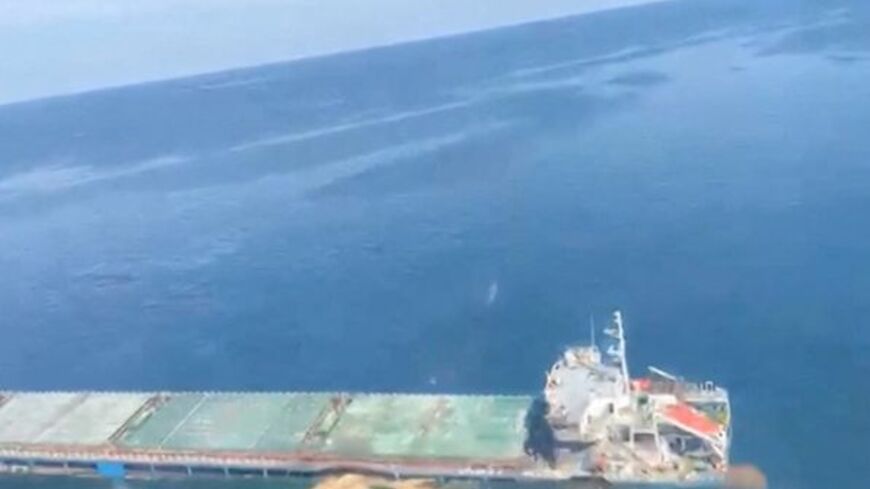
On June 22, a drone struck a Turkish-owned cargo ship near Ukraine’s Chornomorsk port, injuring two crew members. On Aug. 3, two Turkish-owned vessels suffered an attack after leaving Russia’s Novorossiysk port, in which several crew members were injured. The strikes continued later in the month. On Aug. 26, drones hit another Turkish-operated vessel near the Russian Black Sea port of Tuapse, injuring five crew members. A second Turkish-operated vessel dispatched to the area the following day to tow the damaged ship was itself targeted.