


Analysis Why Syria and Iraq are taking different approaches to armed groups By Shelly Kittleson In Baghdad, reporting on Iraqi politics
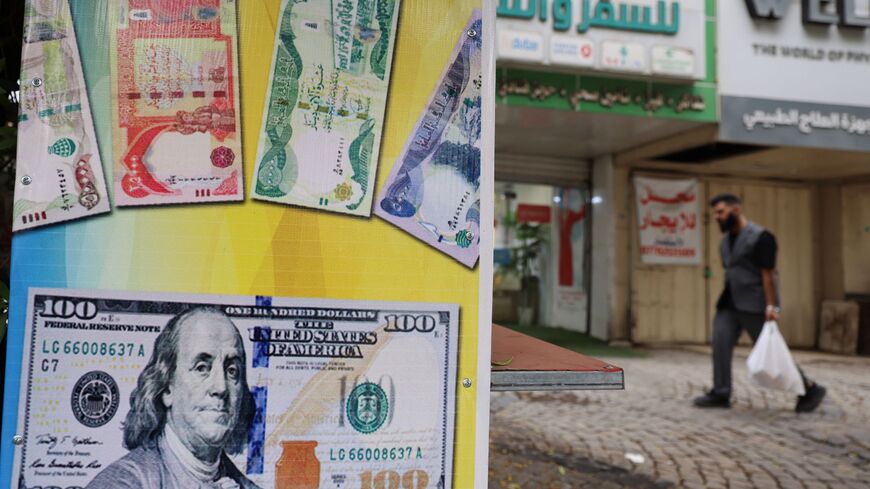
Iraq devalues dinar 13% as Hormuz disruption hits oil revenue The central bank said in a statement that it had revised the official exchange rate to 1,520 Iraqi dinars per dollar from around 1,320. Iraq
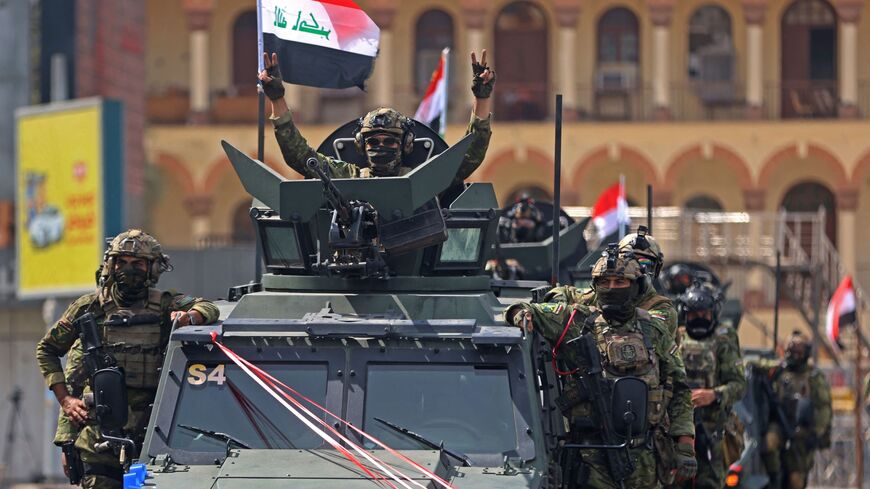
Explainer What Iraq’s US troop withdrawal means for security after Kirkuk killings As Iraq assumes full responsibility for its security following the coalition’s withdrawal, a disputed counterterrorism operation in Kirkuk is raising questions about accountability, public trust and lingering security gaps. Iraq
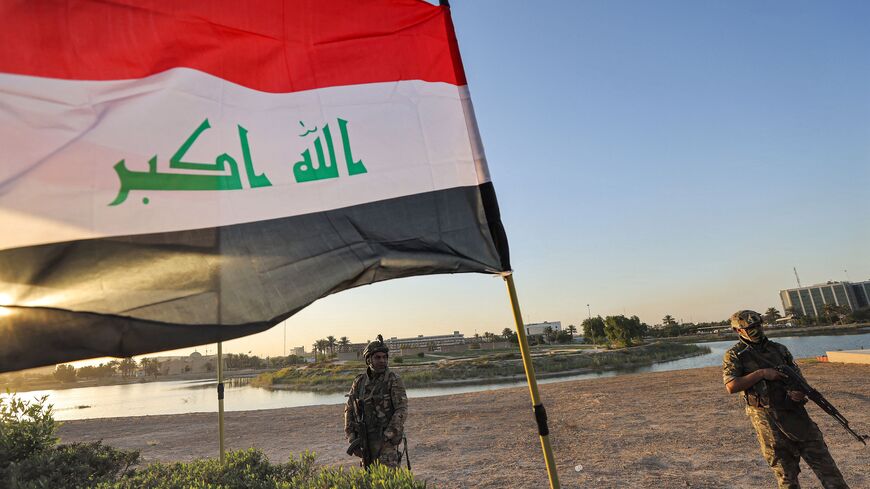
Analysis After US exit, Iran gains space in Iraq and a harder balancing act For Iran, the easier part may have been getting Washington out, but it may now have to struggle turning the absence into durable influence and reviving its allied militias without provoking instability. By A correspondent in Tehran In Tehran, reporting on politics
Newsletter: Security What the US withdrawal means for Iraq By Jared Szuba In Washington, DC, reporting on defense, national security, military

Analysis Can Turkey’s Bashiqa withdrawal pave the way for deeper Iraq ties? By Barin Kayaoglu In Ankara, reporting on geopolitics and national security
Foreign terrorist fighters, reverse migration are global crises There is a pressing need for international cooperation to deal with foreign terrorist fighters and overcome the "not in my backyard" mindset. Iraq
Iraq's parliament helpless to halt political crisis Iraq's political crisis has worsened, and the parliament cannot even meet to discuss proposals for resolving it. Iraq
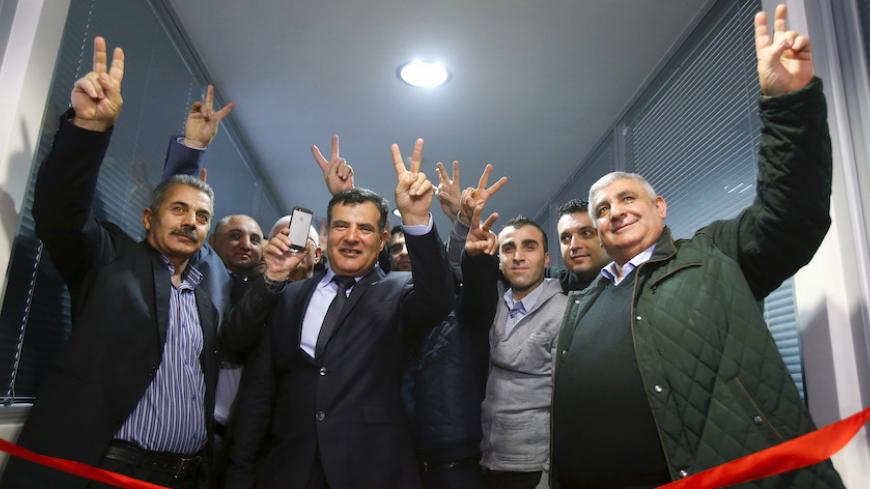
Will unity deal deepen rivalries in Iraqi Kurdistan? Long-time Kurdish rivals Gorran and the Patriotic Union of Kurdistan recently reached an agreement that might further entrench Kurdish division in Iraqi Kurdistan. Iraq
Have Turkey-PKK clashes crossed fatal threshold? The PKK’s alleged shooting down of a Turkish assault helicopter marks a major development in the ongoing fighting between the two sides. Iraq
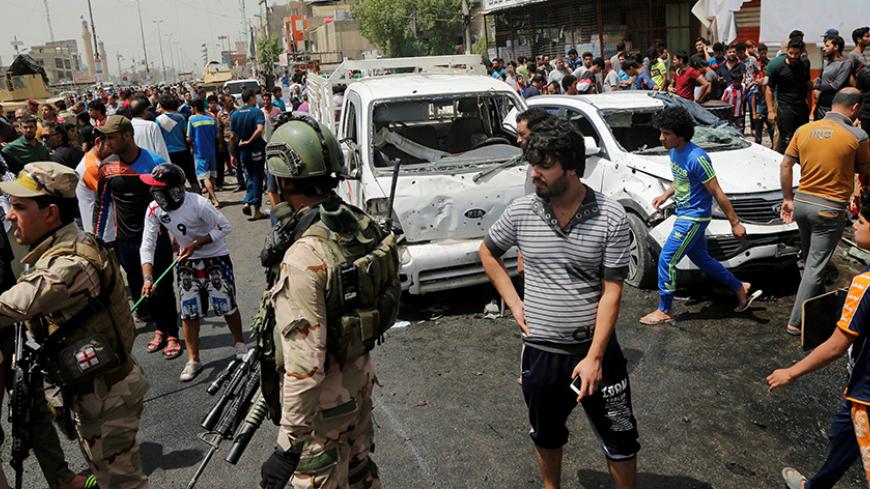
Are Iraq's politicians to blame for Baghdad terror attacks? The Islamic State attacks in three different parts of Baghdad on May 11 are an indication that the political crisis has affected security. Iraq
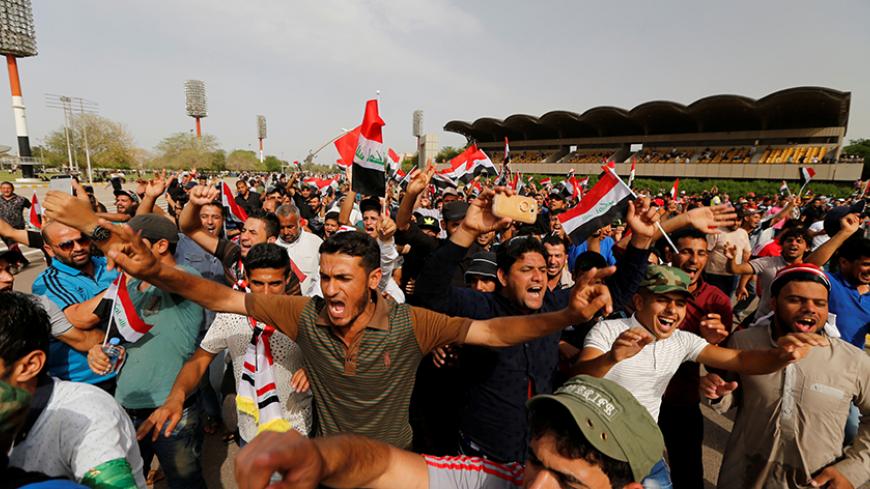
Muqtada al-Sadr, the most powerful man in Iraqi politics? Many believe the storming of the Iraqi parliament by pro-Sadr protesters will only destroy the space for political work in a country where armed conflict has long been a way of settling differences. Iraq
Why Shiites are divided over Iranian role in Iraq Shiites have started to act based on political orientations instead of their sectarian affiliations, which is viewed as an edge in the Shiite public awareness. Iraq
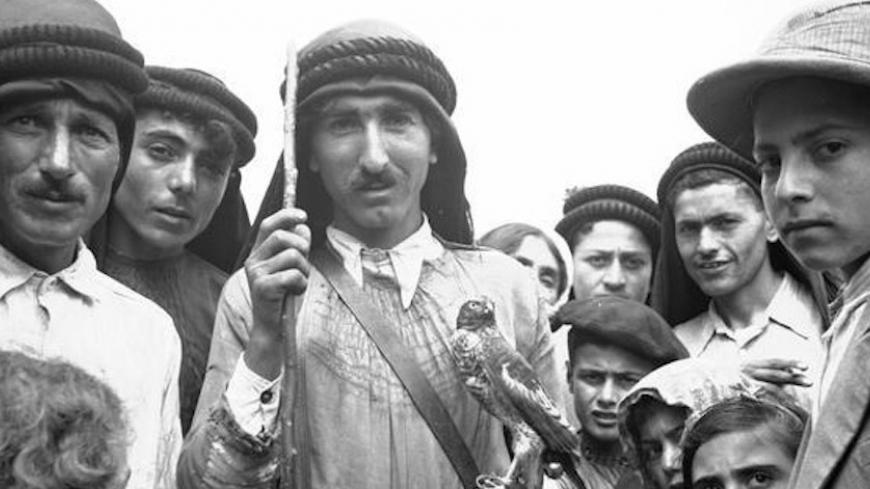
Who are Syria's Alawites? Alawite doctrine differs in many ways from Sunni and Shiite Islam, but Alawites believe they should be respected and accepted as an independent Muslim sect. Iraq
How Russia sees Kurdish quest for autonomy Russia is carefully crafting its policies regarding Kurds, seeking to take a leadership role in the Syrian situation without actually offending anyone. Iraq
Why Syria's Kurds can’t count on long-term commitment from Russia Russia appears to be looking ahead to strengthen its post-conflict political position in Syria by exploiting Kurds’ anxiety over America’s role there. Iraq
Fleeing Tuz Khormato residents add more strain on Iraq's Kirkuk The renewed fighting in Tuz Khormato has prompted many more families to leave for Kirkuk, which is already struggling to host a large number of displaced people. Iraq
Muqtada al-Sadr, chameleon of Iraq's politics Shiite leader Muqtada al-Sadr is taking advantage of the current popular protests in Iraq to expand his influence and thus become an undisputable leader on the Iraqi political scene. Iraq