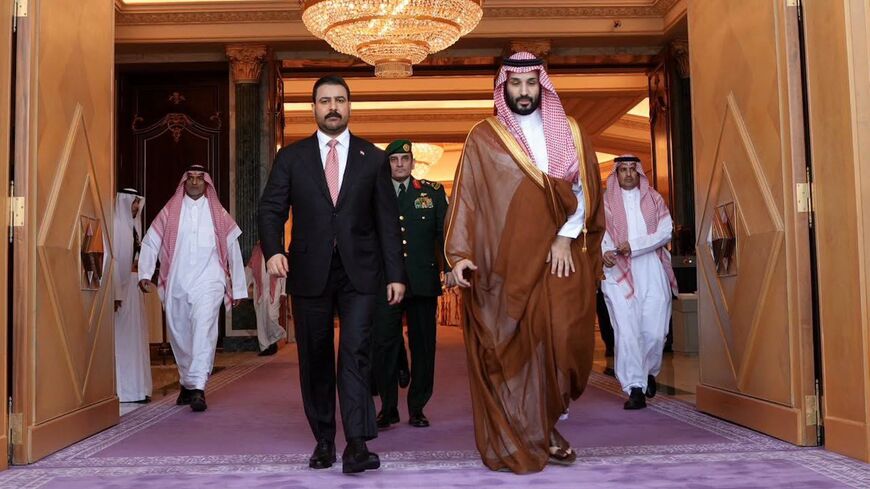
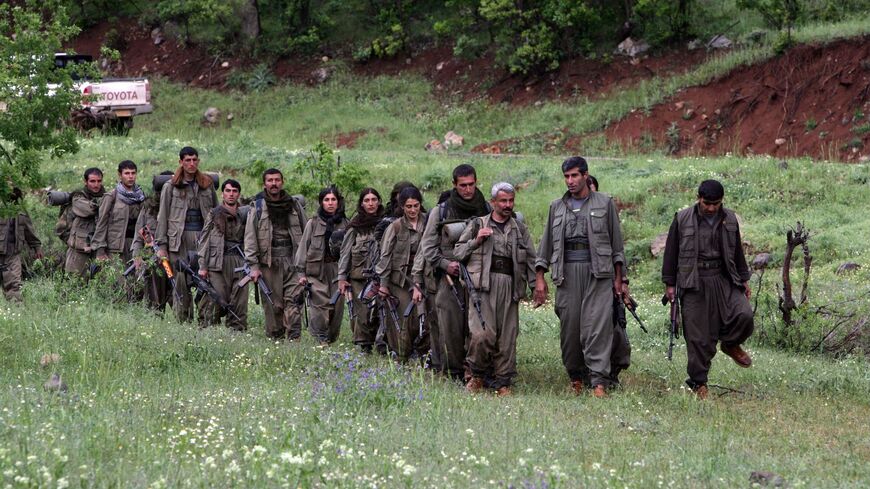
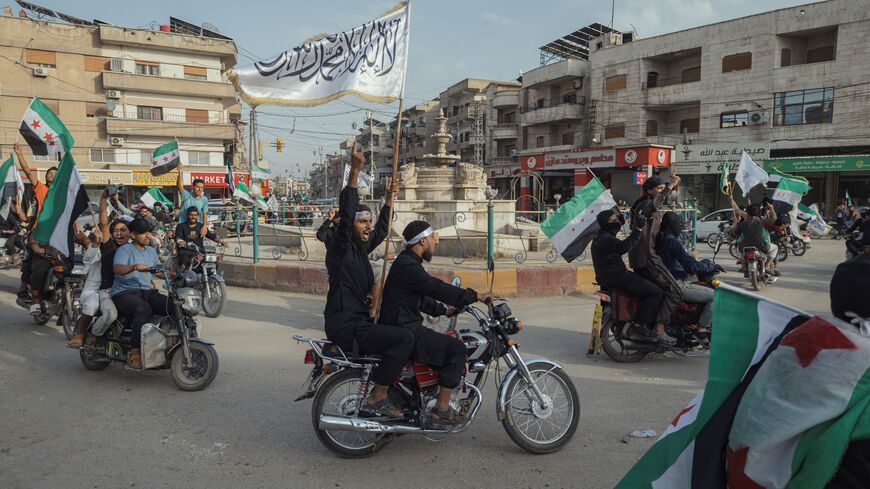

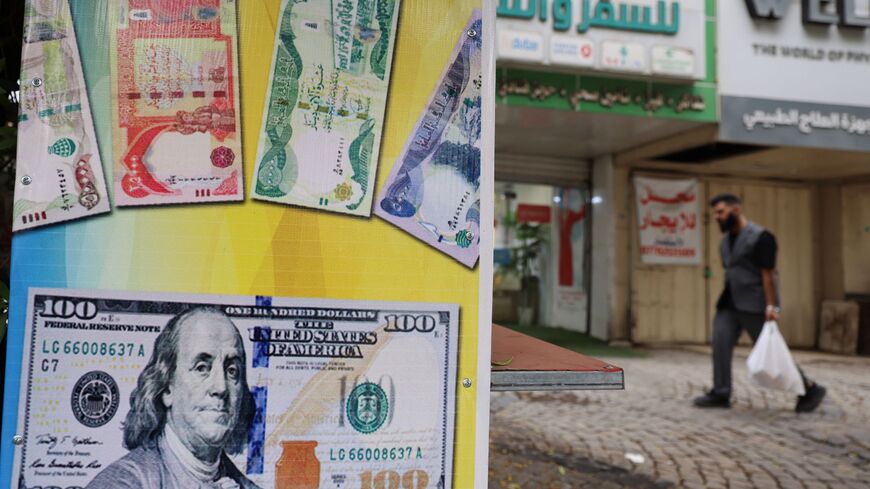
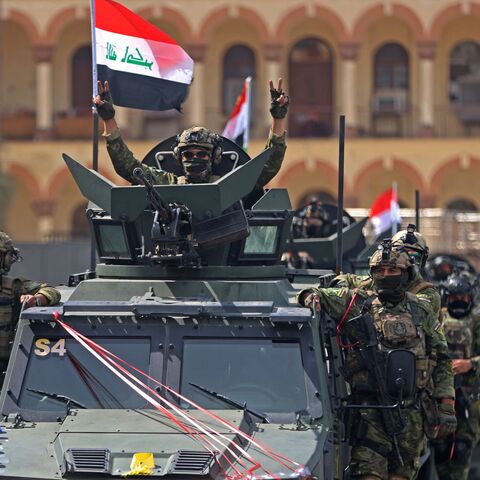


Iraq’s Sadr says 'exclude' armed groups from next government as pressure builds The cleric's call comes as Prime Minister-designate Ali al-Zaidi tries to form a government amid political divisions and US demands to curb the influence of Iran-backed actors. Iraq
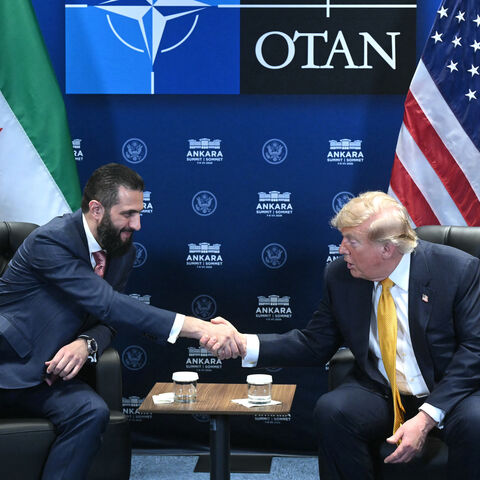
Newsletter: Daily Briefing Hormuz clashes cloud diplomacy as US awaits Iran response US strikes and renewed exchanges in Hormuz cast doubt on the ceasefire as the Trump administration awaits Tehran’s response to a new proposal. By Ezgi Akin In Ankara, reporting on diplomacy, EU-Turkey ties, NATO
US sets expectations for Iraq’s next PM to confront Iranian militias The Trump administration is cautiously sizing up Iraq’s new prime minister-designate, Ali al-Zaidi, as a potential partner in pushing back on Iranian influence. Iran
Analysis Iraq’s Zaidi offers economic promise for Turkey but unknowns loom Iraq’s prime minister-designate, Ali al-Zaidi, is expected to sustain growing economic and strategic ties with Turkey thanks to his business-oriented approach, though uncertainty over his political stance could test cooperation on sensitive issues. By Barin Kayaoglu In Ankara, reporting on geopolitics and national security
Analysis MENA wheat importers face food security risks as Hormuz crisis festers By Samuel Wendel In Washington, DC, reporting on regional business and tech
Maliki Takes Steps to Ease Political, Social Divisions in Iraq Following months of protests in Sunni-majority regions of Iraq, Prime Minister Nouri al-Maliki has finally agreed to take steps to mitigate the crisis and listen to protesters’ demands, writes Mushreq Abbas. Iraq
Will Anbar Elections Go Ahead? Questions have been raised in Baghdad over the decision to postpone Anbar's provincial elections, and the decision may be reversed, writes Mustafa al-Kadhimi. Iraq
After 10 Years of Iraqi Conflict, Only Kurds Emerge as Winners The Kurds of Iraq have been one of the few unequivocal winners from the U.S.-led invasion of 2003, with a greater role in politics and a burgeoning economy, writes Abdel Hamid Zebari. Iraq
Iraq Aims to Increase Oil Output The Iraqi government has drawn up plans to increase the country’s oil production capabilities over the next decade, writes Omar al-Shaher. Iraq
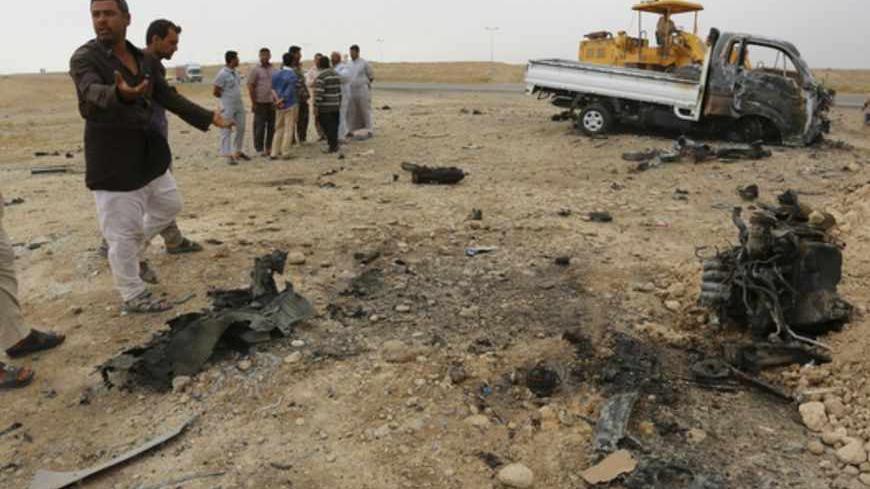
Despite Boasts, Iraqi Security Fails to Stop al-Qaeda Attacks In light of the recent attack on the Iraqi Ministry of Justice, Mustafa al-Kadhimi argues that the country’s security services have not done enough to stop al-Qaeda and other terrorist groups. Iraq
Iraq's Sunni-Shiite Families Fear Renewed Sectarian Violence Iraq’s estimated 2 million mixed Sunni-Shiite families are worried that renewed sectarian violence could have a devastating effect on their daily lives, writes Bushra Al Mudhafar. Iraq
Obama Calls for Peace Talks Without Conditions Obama called on Palestinians to begin talks with Israel despite settlement activity; Iraq is on edge; and it's unclear if a Kurdish initiative and Netanyahu’s apology represent new trends in Turkish foreign policy. Palestine
Differences Deepen Between Iraqi Kurdish Parties Differences between the Kurdistan Democratic Party and the Patriotic Union of Kurdistan are coming to the surface, Abdel Hamid Zebari writes. Iraq
The Iraq War Is Not Over Geoffrey Aronson writes that while the Iraq War may have ended for Americans, sectarian regional wars are being fought there and in Syria. Iraq
US, Iraq Seek to Boost Oil Sector Transparency Washington and Baghdad enter into an agreement to ensure greater transparency in the oil sector, reports Omar al-Shaher. Iraq
Muqtada al-Sadr: Staying In Iraqi Government a 'Sin' A statement released by controversial Shiite cleric Muqtada al-Sadr contains stinging criticism of Iraqi Prime Minister Nouri al-Maliki, writes Ali Abel Sadah. Iraq
Iraq War Lessons, a Decade Later Iraq's embrace of democracy since the 2003 war has set the stage for sectarian politics and instability by heightening internal tensions and inviting outside interference in times of crisis, writes Nassif Hitti. Iraq