Iran says US deal requires Israeli forces to leave Lebanon
Tehran says the US-Iran agreement must include Israel's withdrawal from Lebanon, while Gulf states cautiously back the framework to end months of war and disruption.

Welcome back to the Daily Briefing.
This is Ezgi Akin, filling in for Gabrielle.
In today’s edition:
- Iran says US deal requires Israeli forces to leave Lebanon
- Gulf cautiously welcomes US-Iran deal
- US firm HKN Energy takes over 7 oil fields in Syria
- Kuwait woos wealthy foreigners
Thanks for reading,
Ezgi (ezgi_akin)

Iran says US deal requires Israeli forces to leave Lebanon
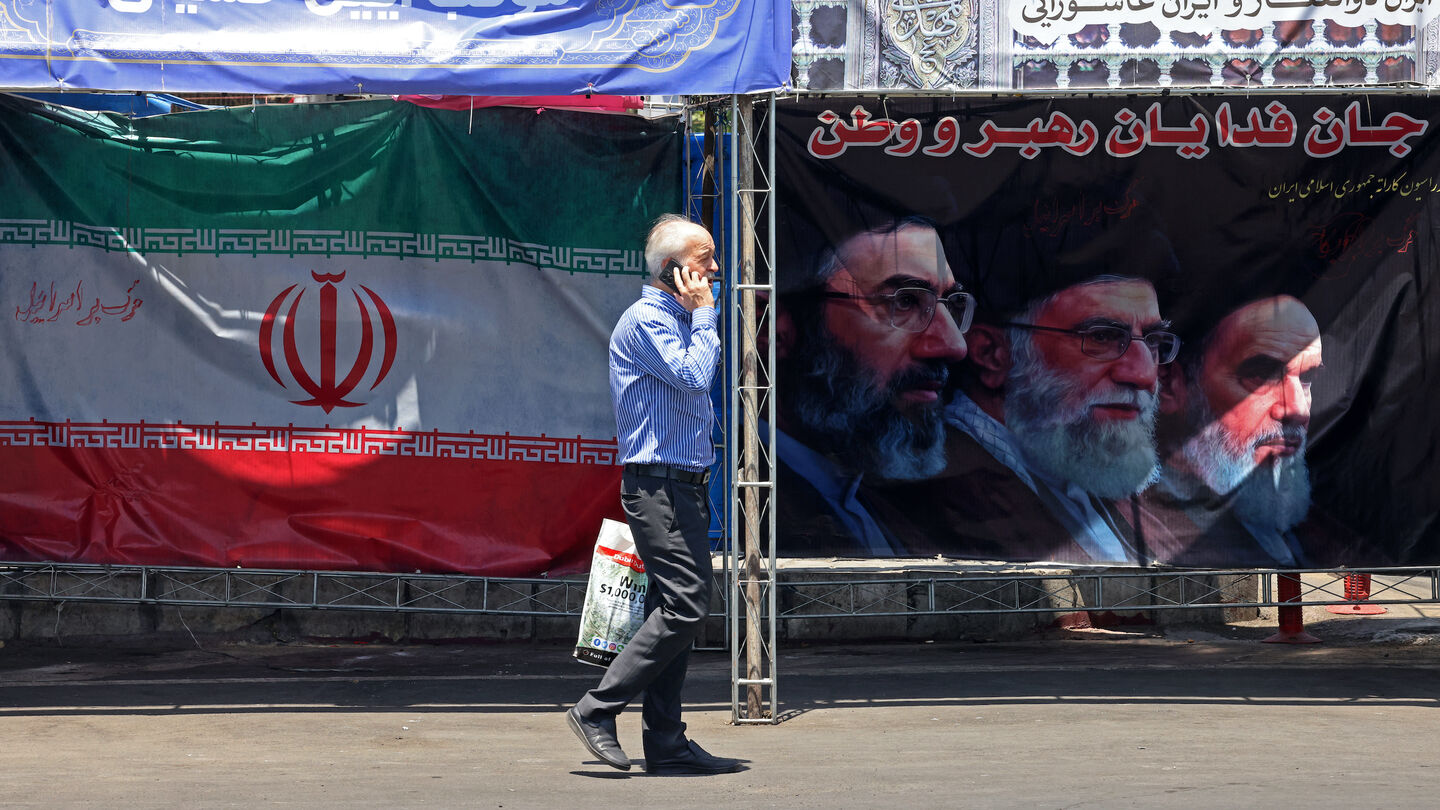
A man walks past Iran's national flag and a banner bearing the images of the late founder of the Islamic Revolution, Supreme Leader Ayatollah Ruhollah Khomeini (R), late Supreme Leader Ali Khamenei and his son, current Supreme Leader Mojtaba Khamenei (L), at Vanak Square in Tehran on June 10, 2026. — ATTA KENARE / AFP via Getty Images
Iran said Tuesday that the emerging US-Iran deal extends beyond the nuclear file, warning that any Israeli attack on Lebanon or continued Israeli presence there would violate the planned agreement with Washington.
“Without the withdrawal of Israeli forces from the territories they occupied during this war, the war has not fully come to an end,” Iranian Foreign Minister Abbas Araghchi said.
Separately, speaking in France on the sidelines of the G-7 summit, US President Donald Trump also voiced frustration with Israel’s conduct in Lebanon, though he framed the issue around Hezbollah and Lebanon’s inability to defend itself.
“I’m not happy with the way Israel has handled themselves with Lebanon and with Hezbollah,” Trump said.
He went further, suggesting that Syria’s interim government, led by Ahmad al-Sharaa, could play a role in confronting Hezbollah. The Iran-backed Lebanese militant group supported ousted President Bashar al-Assad’s forces during Syria’s more than decade-long civil war against armed opposition groups.
“I suggested to Israel to let Syria take care of Hezbollah because, to be honest with you, I think they’d do a better job of doing it,” Trump added.
Araghchi on Tuesday also confirmed that Iran and the United States are expected to open a new round of negotiations on Friday in Switzerland, where the two sides are due to sign a memorandum of understanding to end nearly four months of war and launch a 60-day window for talks on a final settlement.
The negotiations are expected to focus on Iran’s nuclear program, sanctions relief and the fate of Tehran’s enriched uranium stockpile.
Trump said Tuesday that the Strait of Hormuz would “completely open” once the deal is signed, raising hopes for a major easing of pressure on global energy markets.


Gulf cautiously welcomes US-Iran deal as Hezbollah congratulates Tehran
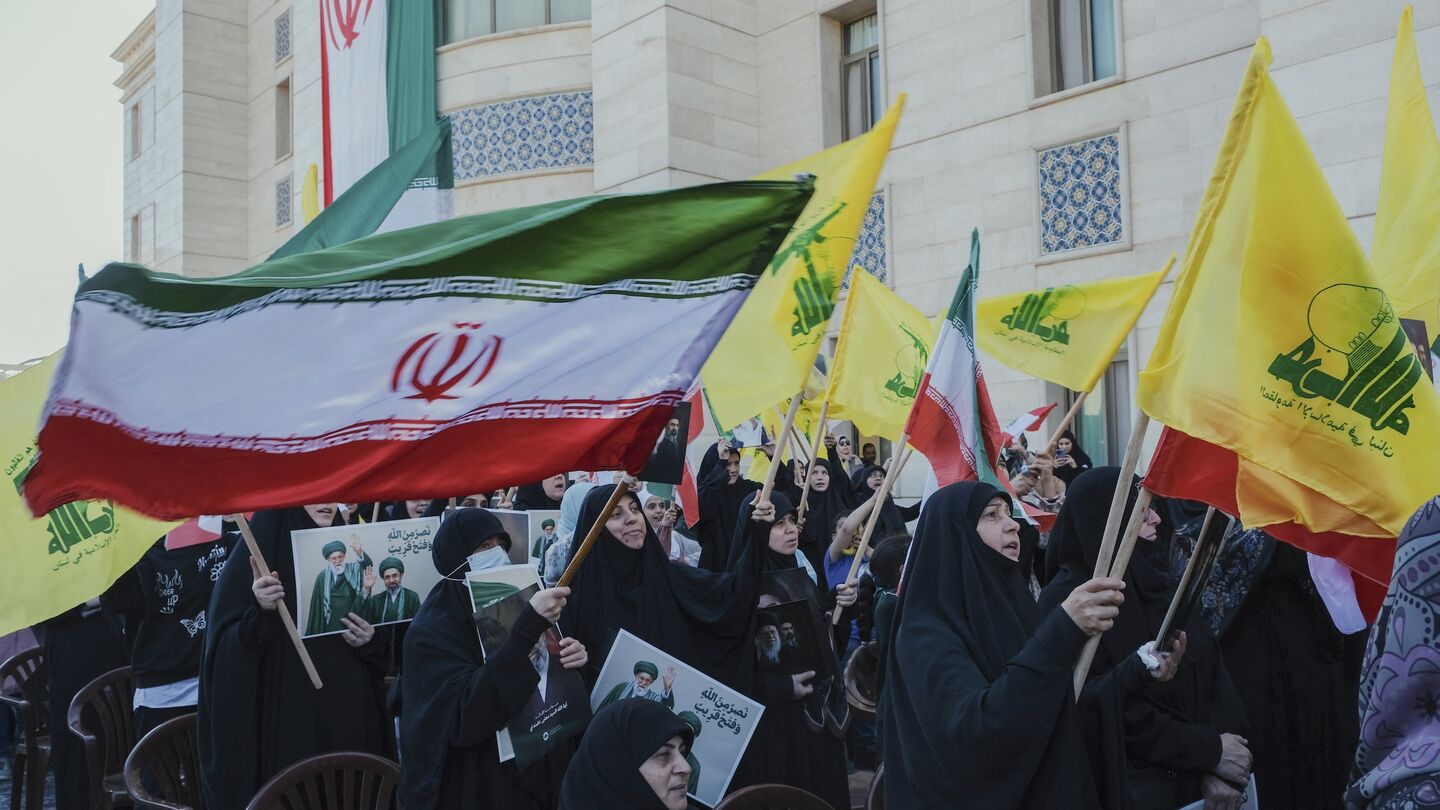
Veiled women in black chadors wave Iran and Hezbollah flags during commemoration at the Iranian Embassy in Beirut, Lebanon, on April 22, 2026. — Courtney Bonneau / Middle East Images / AFP via Getty Images
Countries across the Middle East welcomed the US-Iran framework to end the war after months of regional escalation that hit Gulf countries, disrupted Hormuz shipping and opened a Lebanon front.
Qatar, Kuwait, Saudi Arabia, Jordan, Iraq, Turkey, Egypt, Bahrain and Oman praised the deal and mediation by Pakistan and Qatar, while several urged full compliance and further negotiations.
The UAE struck a more cautious note, stressing implementation, sovereignty and freedom of navigation.
Lebanon’s leaders and Hezbollah also welcomed Lebanon’s inclusion, though Israel signaled it may not be bound by the agreement and vowed to remain in southern Lebanon. Beatrice Farhat and Rosaleen Carroll report.

US firm HKN Energy takes over 7 oil fields from Syria's Kurds
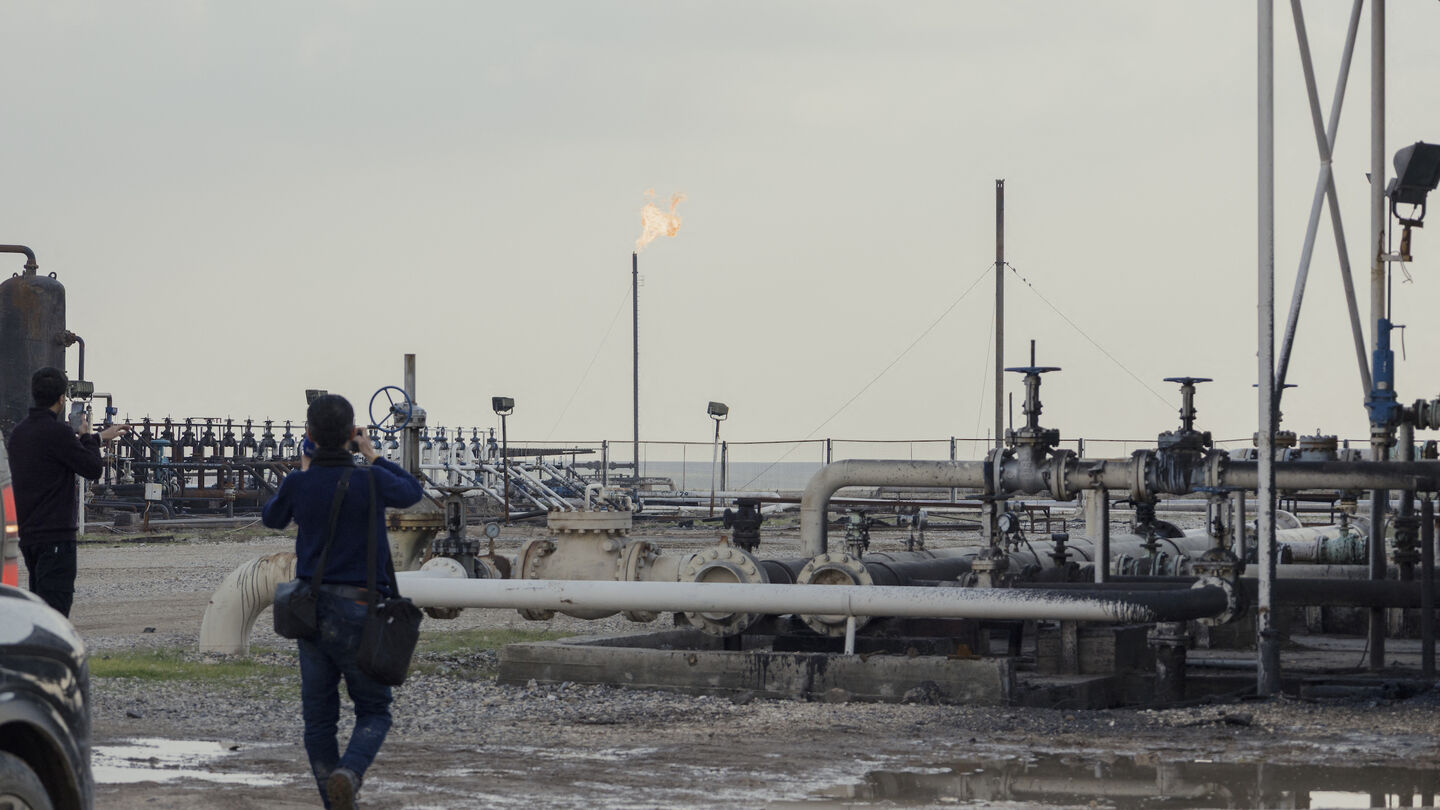
A general view shows the Awad oil field in the eastern Qamishli countryside in northeastern Syria, on Feb. 9, 2026. — Amjad Kurdo / Middle East Images / AFP via Getty Images
Texas-based HKN Energy has formally taken over production at seven oil fields in Kurdish-administered northeast Syria, marking the first production-sharing deal between an international oil company and Syria’s new government under President Ahmed al-Sharaa.
The 25-year agreement with the Syrian Petroleum Company covers fields previously run by the Kurdish-controlled Jazira Oil Company, including Rmeilan-area assets near the Turkish and Iraqi borders. HKN, partnered with Qatar’s UCC Holding but operating alone, will truck oil to Baniyas on Syria’s Mediterranean coast.
The deal raises questions over future Kurdish revenues, as oil had funded much of their autonomous administration. HKN says its immediate priority is tackling severe water pollution and output is eventually expected to rise to about 200,000 barrels per day. Read Amberin Zaman’s scoop.

Kuwait woos wealthy foreigners with investor permit
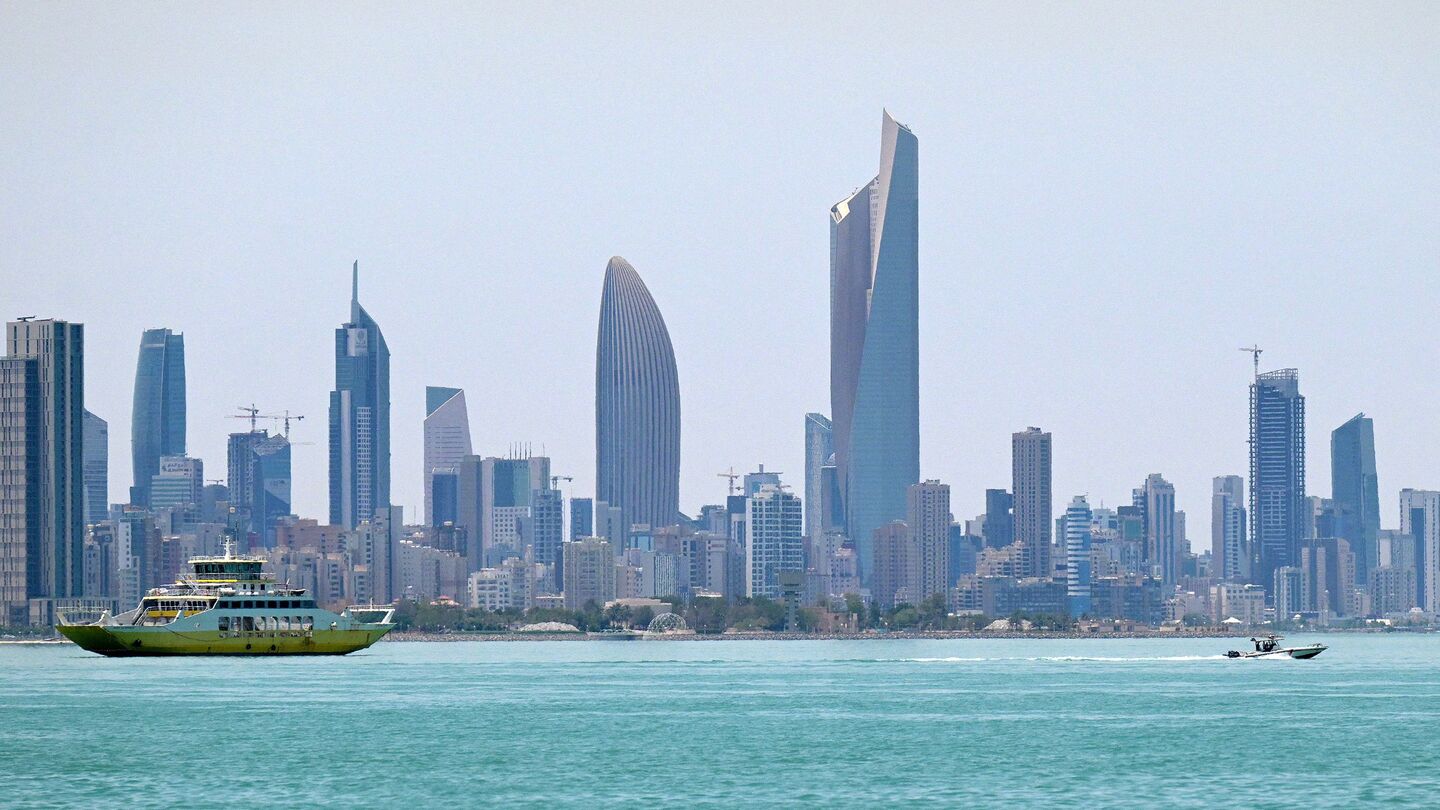
The Kuwait City skyline is pictured from across the waterfront along the Gulf in Salimiyah on June 2, 2026. — YASSER AL-ZAYYAT / AFP via Getty Images
Kuwait has introduced a new 15-year residency permit for foreign investors, part of a broader push to attract capital as it tries to keep pace with Gulf rivals’ diversification drives. The scheme, approved by the Kuwaiti cabinet, covers eligible investors and their families but sets a high entry bar, requiring at least $3.25 million in capital for approved activities.
Kuwait faces mounting pressure from the US-Israel-Iran war and disruptions around the Strait of Hormuz, which have weighed on growth forecasts. Read Samuel Wendel’s dispatch.
This one's on us.
The story doesn't end here.
Our correspondents are already on the next chapter. Read everything they file, from $2/week.
See Offers