Trump says Iran deal is ‘over’
Khartoum, Beijing to develop Sudan seaports; Trump bid to lift Turkey CAATSA sanctions faces hurdles; and more.

Welcome back to the Daily Briefing.
This is Ezgi Akin, filling in for Gabrielle.
In today’s edition:
- Trump says Iran deal is ‘over’
- Khartoum, Beijing to develop Sudan seaports
- Trump bid to lift CAATSA sanctions faces hurdles
- Egypt loses to Argentina as Morocco to face France
Thanks for reading,
Ezgi (ezgi_akin)

Trump says Iran ceasefire is ‘over’
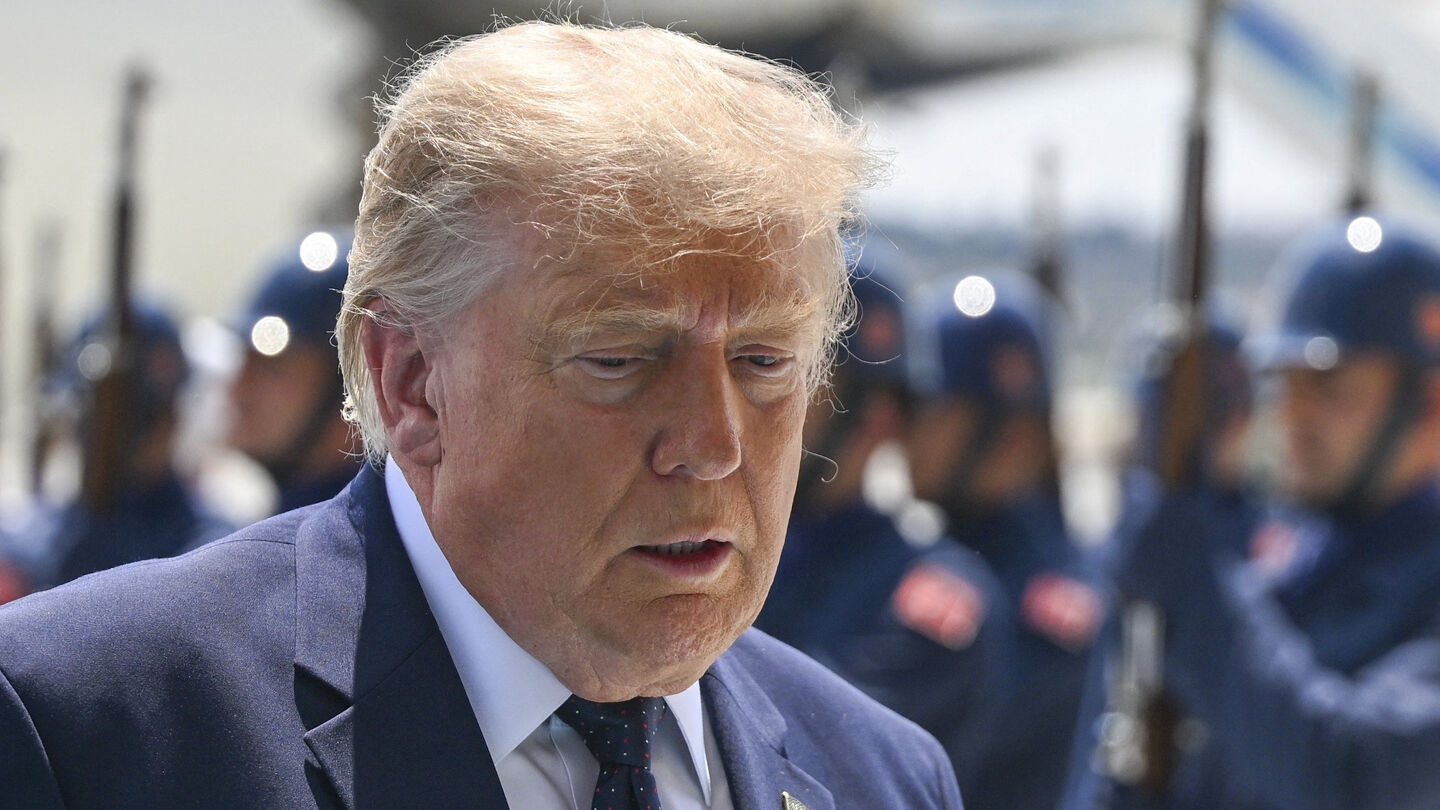
US President Donald Trump speaks during a meeting with NATO Secretary General Mark Rutte (not pictured) on the sidelines of the NATO summit in Ankara, Turkey, on July 8, 2026. (REUTERS — FILIP SINGER)
US President Donald Trump said on Wednesday that an interim agreement with Iran was "over" after a new exchange of US and Iranian strikes dimmed prospects that a June memorandum could be turned into a broader peace deal.
“To me, I think it’s over. I don’t want to deal with them,” Trump told reporters in Ankara on the sidelines of the NATO summit. Asked whether US negotiators could continue speaking with their Iranian counterparts, Trump replied, “I don’t care. They can talk, but I think they’re wasting their time. They’re a bunch of lying guys.”
The latest escalation came after three commercial tankers were hit by projectiles while attempting to transit the Strait of Hormuz on Tuesday.
US Central Command said that American forces struck more than 80 Iranian military targets overnight Tuesday, including air defense systems, command and control networks, coastal radar sites, anti-ship missile capabilities and more than 60 Islamic Revolutionary Guard Corps boats operating in or near the strait.
The US also revoked a temporary license allowing Iranian oil sales, giving Tehran until July 17 to wind down transactions previously permitted under the interim deal.
Iran’s military command condemned the US strikes as a “blatant act of aggression” and warned that any source of support for US operations against Iranian sovereignty would be considered a legitimate target.
Early on Wednesday, Tehran hit back with strikes in Bahrain and Kuwait, claiming it had targeted US military sites in the Gulf countries. Kuwait’s Electricity Ministry said several power transmission lines were out of service after they were hit by shrapnel during efforts to repel Iranian attacks.
The flare-up triggered a regional backlash. Qatar condemned Iran’s attacks on Bahrain and Kuwait while urging a return to diplomacy. UAE presidential adviser Anwar Gargash said that Gulf Arab states could not remain caught between Tehran’s “logic of escalation” and the path of stability.

Listen to a breakdown of the top headlines on today’s episode of the Middle East Minute podcast with Adam Lucente.

Khartoum, Beijing ink memorandum to develop Sudan seaports
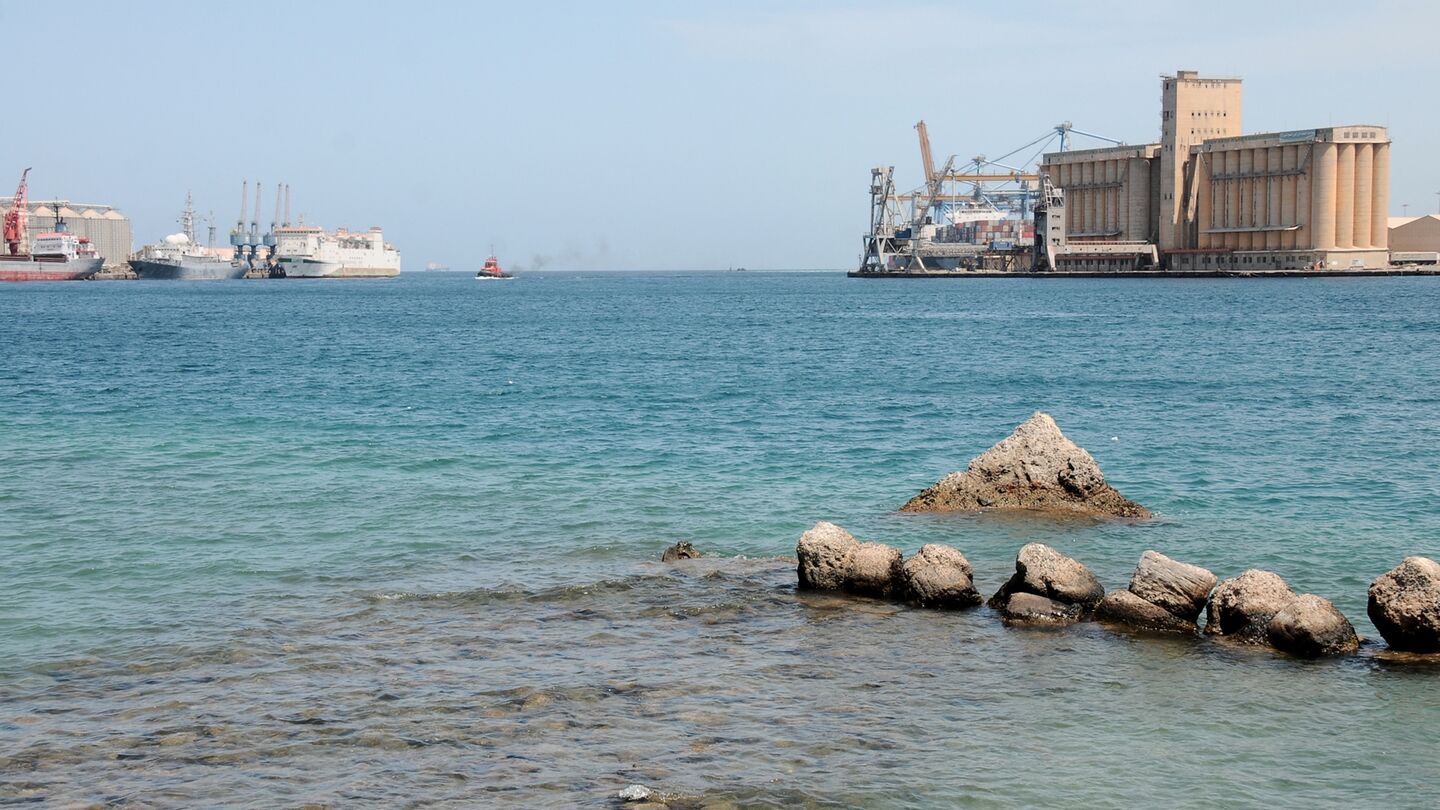
A general view shows docked ships at the harbor of the Sudanese city of Port Sudan, on April 27, 2021. (IBRAHIM ISHAQ/AFP via Getty Images)
Sudan and China signed a memorandum of understanding this week to develop Sudanese ports as Khartoum seeks to modernize maritime transportation and revive an economy battered by three years of civil war.
Sudan’s Sea Ports Corporation signed the deal with state-owned China Harbour Engineering Company in Beijing. The agreement covers port infrastructure upgrades, including new seaports and modernized cargo-handling equipment. Sudan hopes the projects will boost transit and transshipment trade through Port Sudan, which handles about 90% of the country’s international trade. Beijing's deepening role in Sudan includes debt relief and grant-funded infrastructure projects. Beatrice Farhat has details.

Trump bid to lift CAATSA sanctions on Turkey faces complicated path
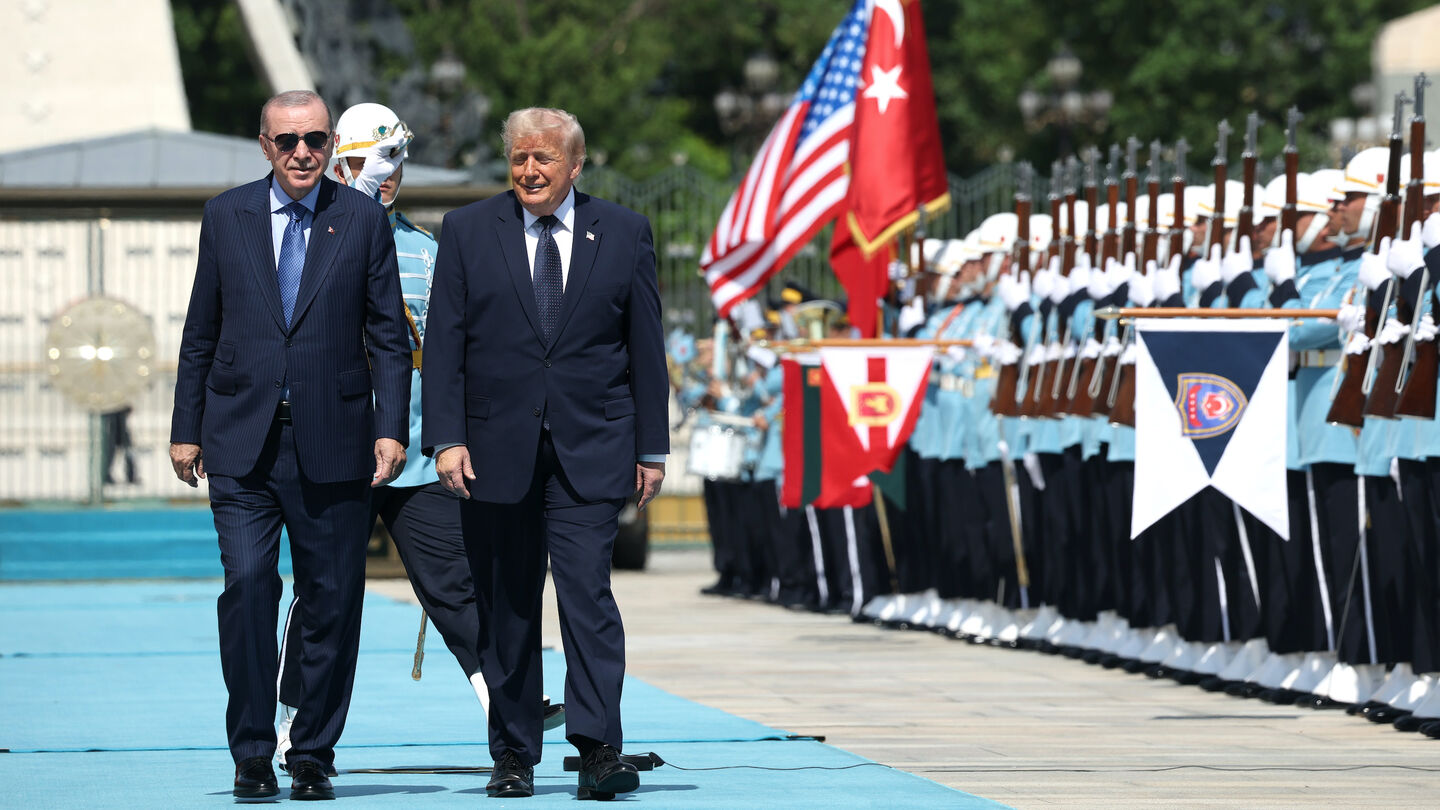
US President Donald Trump walks with Turkish President Recep Tayyip Erdogan during a state arrival ceremony at the Bestepe Presidential Complex for the annual NATO Summit on July 7, 2026, in Ankara, Turkey. (Win McNamee/Getty Images)
Trump’s pledge to lift CAATSA sanctions on Turkey marks a potential opening in a long-running US-Turkey defense dispute, but the move faces major legal and political hurdles.
The sanctions were imposed in 2020 after Ankara bought Russia’s S-400 missile system. Turkey was consequently removed from an international consortium that manufactures F-35 fighter jets and blocked from purchasing the jets. The sanctions also targeted Turkey’s Defense Industry Agency and senior officials. While Trump said, “We don't want to sanction friends,” permanent removal requires congressional review and, under US law, certification that Turkey no longer possesses the S-400 or any successor system. Read Rosaleen Carroll’s explainer.
Meanwhile, US Defense Secretary Pete Hegseth’s visit to Israel on the tail end of the NATO summit has been canceled, a well-placed source confirmed to Jared Szuba. On what would have been his first visit, Hegseth was expected to raise the possible sale of F-35 fighter jets to Turkey amid strong Israeli opposition.

Egypt loses to Argentina as Morocco to face France
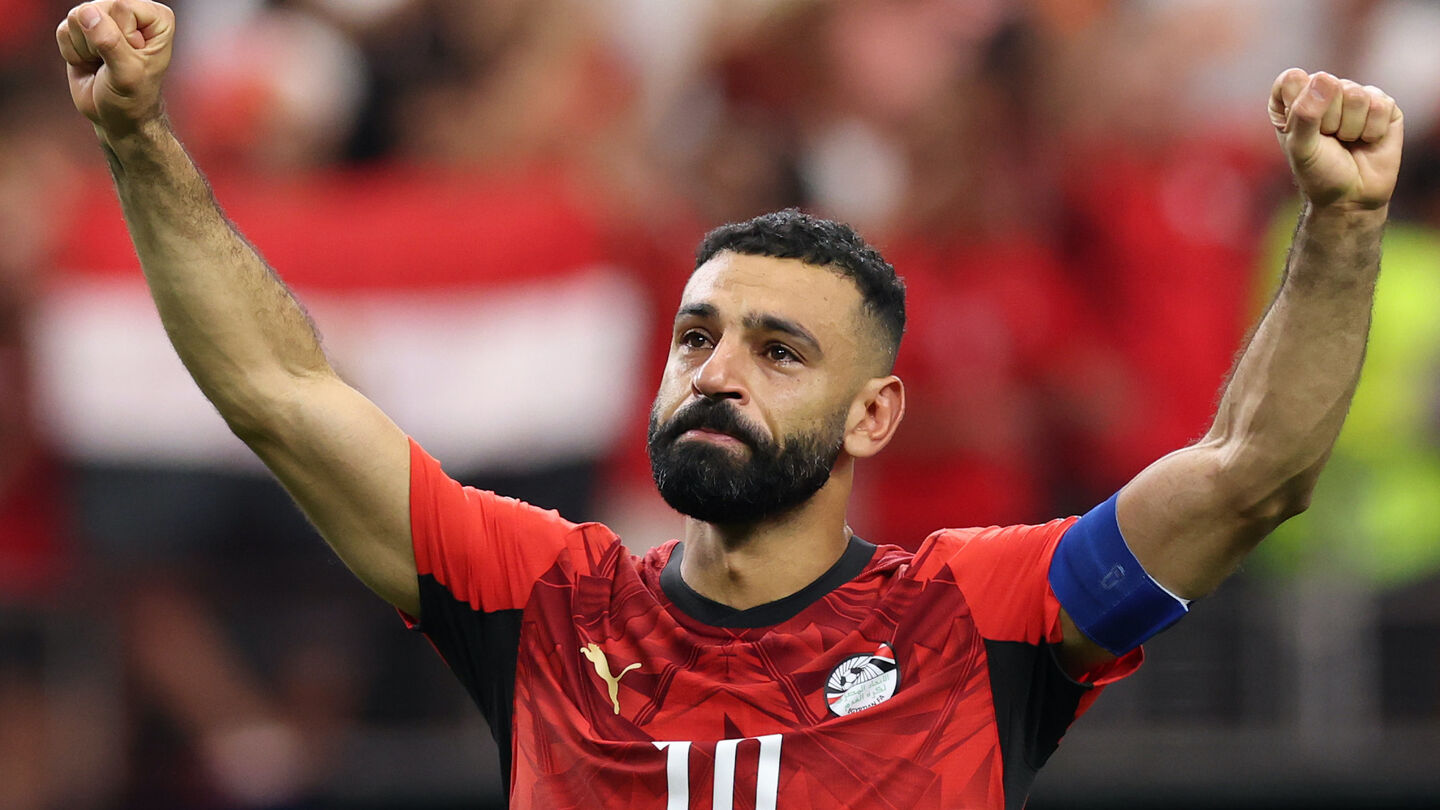
Mohamed Salah #10 of Egypt applauds fans after the team's victory through the penalty shootout during the FIFA World Cup 2026 Round of 32 match between Australia and Egypt at Dallas Stadium on July 3, 2026, in Arlington, Texas. (Kevin C. Cox/Getty Images)
Egypt’s historic World Cup run ended Tuesday with a painful 3-2 loss to Argentina in the Round of 16, despite the Pharaohs taking a 2-0 lead in Atlanta. Meanwhile, Morocco’s historic run continues as the Atlas Lions will face France in the quarterfinals on Thursday. Morocco reached the last eight after edging the Netherlands on penalties in the Round of 32 and then defeating co-host Canada 3-0 in the Round of 16. The team is North Africa’s lone remaining representative. Rosaleen Carroll has the score.
This one's on us.
The story doesn't end here.
Our correspondents are already on the next chapter. Read everything they file, from $2/week.
See Offers