Return of Hamas to West Bank Certain to Be Uphill Battle
Though the first Hamas demonstration in years in the West Bank drew thousands, there is no sign that public support for Hamas is growing there, writes Daoud Kuttab.
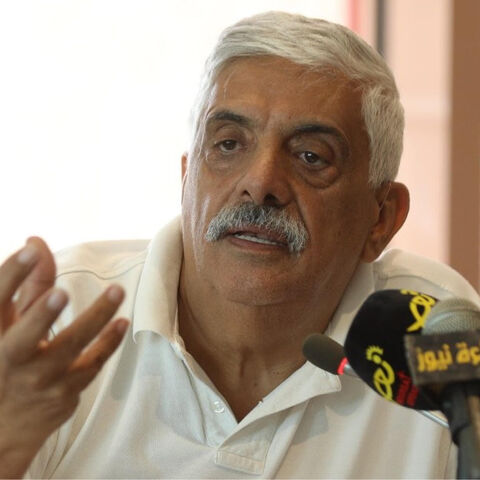

Like most journalists, Mohammad Abu Arqoub loves to chat with taxi drivers to gauge the public mood. In the trip from the center of town to his house in the Raffidya neighborhood, Arqoub, who is also a lecturer at the Al Quds University in Ramallah, wanted to know what people in Nablus where thinking on the occasion of Hamas' 25th anniversary. Hamas had just concluded a public demonstration that thousands of its supporters attended.
The taxi driver paid no attention to his question, instead wanting to know if his passenger was a teacher — he was giving teachers a free ride as an act of solidarity with public servants who have not been paid in months by the Palestinian Authority.
The Hamas demonstration, the first in years in the West Bank, is considered a watershed in the ruptured relations between the two biggest Palestinian factions. Relations between the PLO’s Fatah and Hamas broken down when the latter militarily took over the Gaza Strip, ousting supporters of Palestinian President Mahmoud Abbas.
Warring Palestinian factions are experiencing an unprecedented rapprochement after five years of bitter conflict that has seen the Gaza-based authorities arresting supporters of Fatah and banning them from any public activities while the Ramallah-based Palestinian Authority bans activities of Hamas and detains some of their militant members. The most recent Israeli mini-war against Gaza has united Palestinians and has brought on genuine warming between the two groups. Last week, PLO leaders participated in Hamas celebrations in Gaza while both parties released their opponent’s political prisoners.


