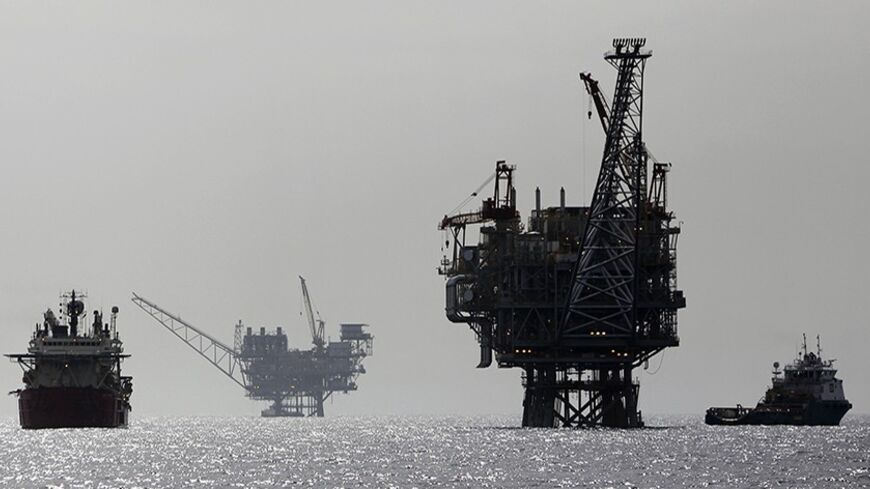
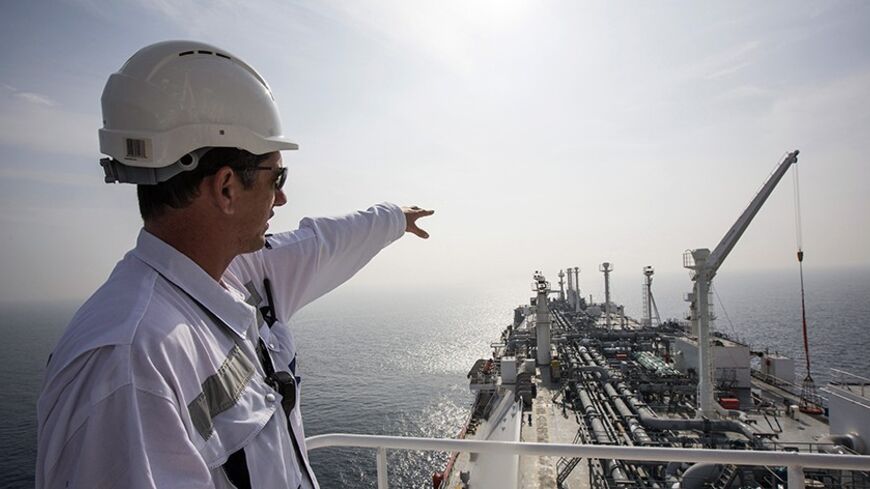
With billions of cubic meters in estimated gas reserves, the Eastern Mediterranean, or the “Levant Basin” by another name, is turning into the stage for a contemporary version of the 19th Century “Great Game,” which has as much potential for catalyzing peace, as it does for contributing to new tensions in a region already rife with conflict.
The key event this respect came on March 30, the historic date when natural gas from the Tamar field, off the coast of Israel, started flowing to the Israeli mainland, thus kicking off a process that will not only make the Jewish state largely energy independent, but also turn it into a key supplier for European markets.
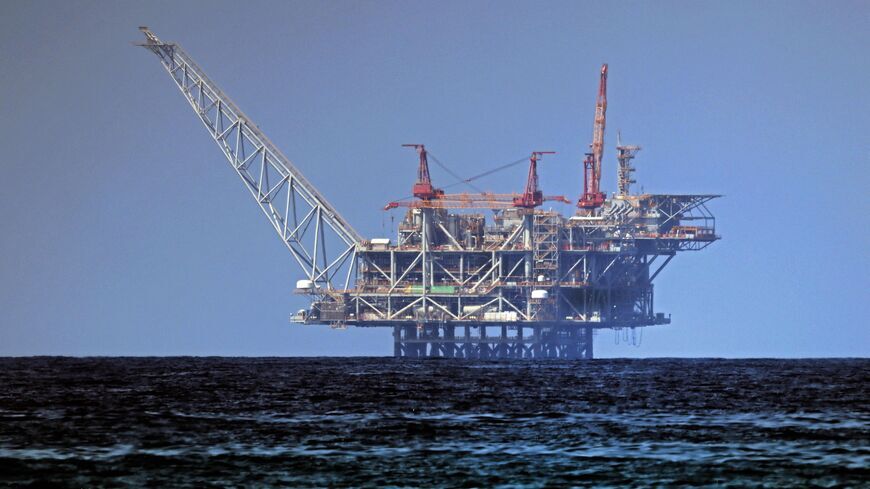
The Tamar field, discovered as recently as 2009, is said to hold 250 billion cubic meters [427 billion square feet] of gas, and is the smaller of Israel’s two offshore fields, the bigger one being the Leviathan field with its estimated 425 billion cubic meters of gas, but which has yet to be developed.
Texas-based Noble Energy and the Israeli Delek Energy, the two largest shareholders in the Israel gas fields are said to be looking for a go-ahead now from the Israel government to export the larger portion of the gas, since demand in Israel is insufficient to cover the cost of developing the Leviathan field.
AL-MONITOR All-Access gives you unlimited access to all our journalism, the full Daily Briefing, exclusive interviews, premium newsletters, and live events — for less than $2/week.