Iraqi Government Bans TV Channels Over Coverage of Protest Violence
The Iraqi government has banned 10 TV channels for covering the violence in Hawija, further raising political tensions in the country, writes Mushreq Abbas.
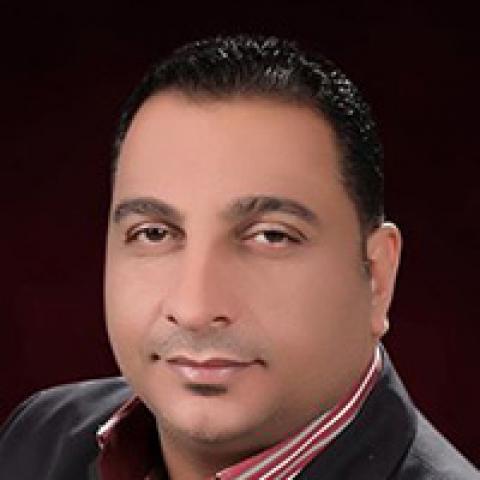

The Iraqi government’s decision to shut down 10 Iraqi satellite channels because of how they covered protests in cities, “inciting [the people] to violence,” has raised questions over the standards that govern the media in Iraq and the official body tasked with applying those standards.
At first glance, the statement given by the Iraqi Communications and Media Commission (CMC), which regulates the usage of TV broadcast frequencies, appears to have been a government decision. The government decided that the channels it banned — including al-Jazeera, al-Sharqiyya, al-Babiliyya, Baghdad and al-Taghyir — “threatened civil peace” and “incited [the people] to violence” when they covered the Iraqi security forces storming a demonstration in Hawija (south of Kirkuk) last week. More than 200 were killed or wounded in the incident.
What’s strange is that the Iraqi and international media were not present in Hawija during the raid and could not convey “a true and neutral account of the event” because the security services had banned the media from the area. So for its reports, the media relied on two accounts.
The first account was from the military, which called Hawija’s victims “terrorists.” Hours after the incident, Iraqi commander Ali Ghaidan said that Iraqi forces were attacked as they approached the demonstration and that the military’s response killed 20 “terrorists and Baathists.” The second account was given by the wounded victims, tribal leaders and some Sunni politicians, such as Education Minister Mohammad Tamim, who resigned from his post after the events. According to them, the Iraqi forces stationed near the sit-in had not been given enough time to negotiate with the protesters and the attacking force recklessly opened fire on the demonstrators, causing a large number of victims.


