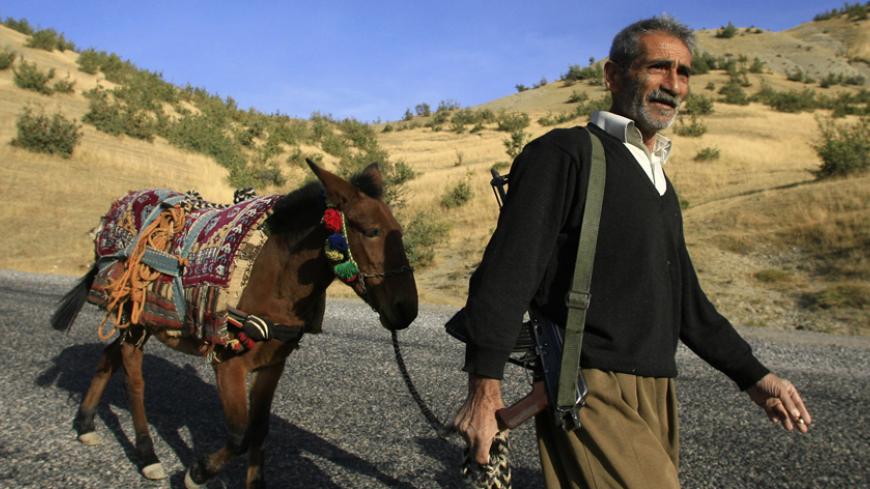
On Dec. 28, 2011, Turkish warplanes rained bombs on a group of Kurdish smugglers as they were preparing to cross into Turkey from Kurdish-controlled northern Iraq. Some 34 men were killed along with dozens of pack mules. Most of the victims were teenagers. The youngest was 12. Many were from the same extended family. And all came from a pair of remote border villages in the township of Uludere.
The Uludere massacre remains a major a test of the ruling Justice and Development Party’s (AKP) commitment to democratic reform and, in particular, to cementing civilian control over the army.
Even as AKP pursues its most ambitious effort ever to solve the long-running Kurdish problem through negotiations with the imprisoned PKK leader Abdullah Ocalan, it has yet to offer an apology (let alone justice) for the victims of Uludere.
On March 27, a parliamentary commission tasked with investigating the affair approved a draft report of its findings. It was rammed through with AKP member votes. Couched in determinedly vague language, the report claimed that the massacre was unintentional and put it down to “communication flaws” between civilian and military authorities. The decision to bomb the smugglers, whose activities were well known to local security officials, came after surveillance drones spotted their caravan. Intelligence reports determined that there were PKK rebels, including a top commander, in their midst. The army wasn’t taking any chances and pushed the button. The report avoids naming those who were responsible for the decision. Not a single head has rolled.
AL-MONITOR All-Access gives you unlimited access to all our journalism, the full Daily Briefing, exclusive interviews, premium newsletters, and live events — for less than $2/week.