Fatah Leader Warns of 'Extreme' Israeli Position in Peace Talks
In an exclusive telephone interview, former Palestinian Minister Qadura Fares warns that hopelessness and frustration are on the rise among Palestinians.
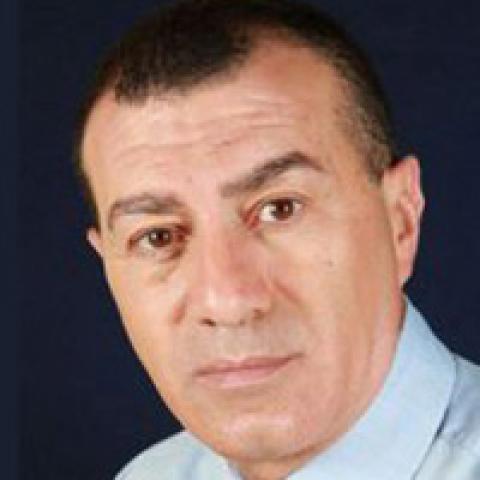

A West Bank Fatah leader and head of the Palestinian Prisoner Society in Ramallah, Qadura Fares, believes that the four recent terrorist attacks against Israelis in the West Bank are not some indication that a new intifada is erupting. They are, however, a disconcerting sign of a growing sense of desperation.
Within a single month, Sgt. Tomer Hazan was killed in Samaria (Sept. 21), Sgt. Gal (Gavriel) Kobi died the following day from sniper fire in an incident that occurred near the Cave of the Patriarchs in Hebron, a 9-year-old girl was stabbed by a Palestinian terrorist who infiltrated the settlement of Psagot (Oct. 5) and Col. Sariyah Ofer was bludgeoned to death in the Jordan Valley by two Palestinians wielding axes (Oct. 10).
In a telephone interview with Al-Monitor, Fares said that as far as he knows, the attacks were committed by local groups and were not supported by any of the various Palestinian organizations. “Frustration and hopelessness in the Palestinian street are the main factors behind what we saw last month,” he explained. “We've seen this many times before. When there is no hope, no livelihood, no liberty, no freedom, the ground is ripe for violence. But I don't think that a handful of incidents means that we are already there, in an intifada.”
Al-Monitor: Isn't there some organization behind all the recent events?


