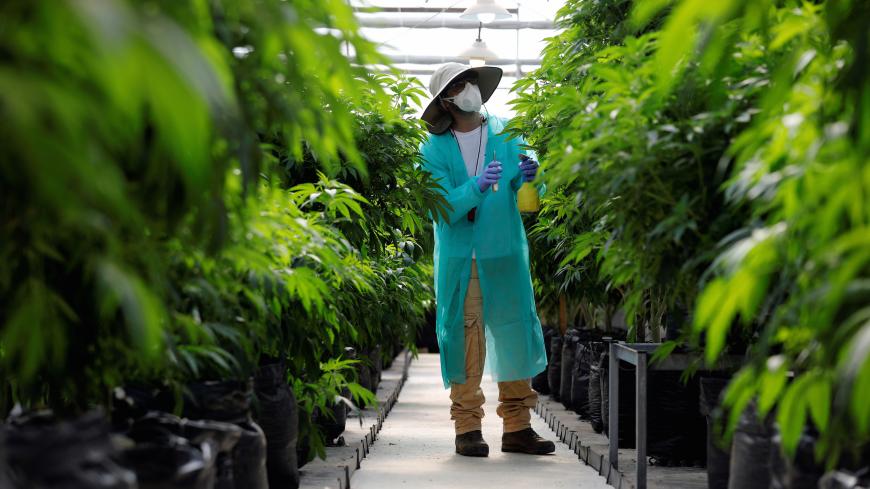
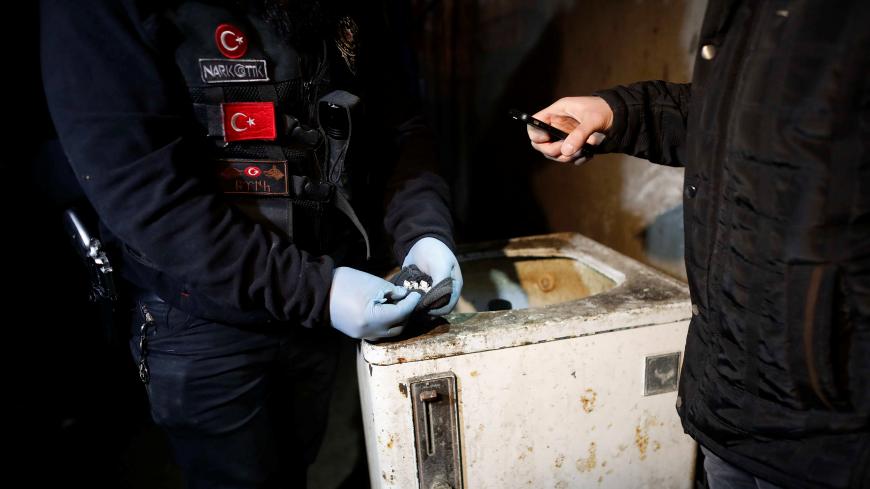
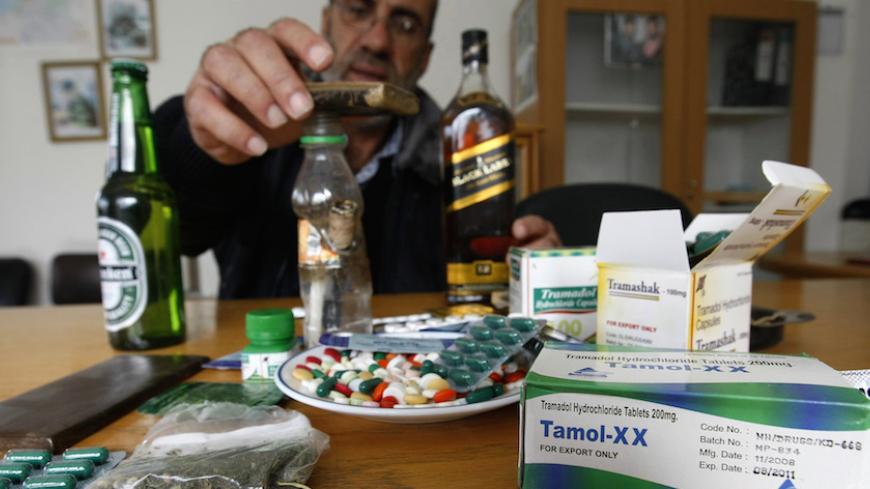
In Israel, the topic of medical marijuana evokes a heated response among patients and doctors alike, perhaps more than any other subject. Patients are convinced that it is a wonder drug, capable of performing miracles. Doctors, however, aren’t convinced that marijuana is a drug like any other. Some of them consider it an addictive narcotic, and some doubt its efficacy as a cure. The state thinks differently.
Over the next few days, Minister of Health Yael German will submit a bill to regulate the use of medical marijuana for the many patients who use it. Every year, the circle of Israelis for whom cannabis use is approved has been expanding. A decade ago, only 300 patients had permission to use it. Just three years ago, their number had increased tenfold, to 3,000. This year, the number of patients with permission to use cannabis shot up to 11,000. By next year, the number is expected to reach 14,000.
Yet, despite marijuana's popularity, the Israeli Medical Association informed the government that it is opposed to any law designed to recognize cannabis as a drug. As if that were not enough, a team of medical specialists submitted a position paper to the health minister, asserting that medical cannabis is not a medication, and that there are as yet no clear standards regarding dosages or use in treatment. They went on to express their concerns regarding its long-term effects.
The debate over medical marijuana is not limited to its use as medication, but also includes who can receive it and who will distribute it. Every year, thousands of new patients request a prescription for the drug, yet to date, just 20 doctors throughout the country are authorized to prescribe it for their patients. If the law passes, 10 more doctors will be similarly licensed. So far, prescriptions are given to patients with cancer, AIDS, multiple sclerosis, Parkinson’s disease and various intestinal afflictions. Patients suffering from other conditions and illnesses have been added to this list over the past few years, particularly people with mental disorders and those suffering from post-traumatic stress disorder (PTSD).
AL-MONITOR All-Access gives you unlimited access to all our journalism, the full Daily Briefing, exclusive interviews, premium newsletters, and live events — for less than $2/week.