Turkey’s highest legal authority, the Constitutional Court, issued a landmark ruling on Dec. 4 that not only sheds a negative light on the country’s judicial bureaucracy, but is also causing discomfort among members of Prime Minister Recep Tayyip Erdogan’s Justice and Development Party (AKP).
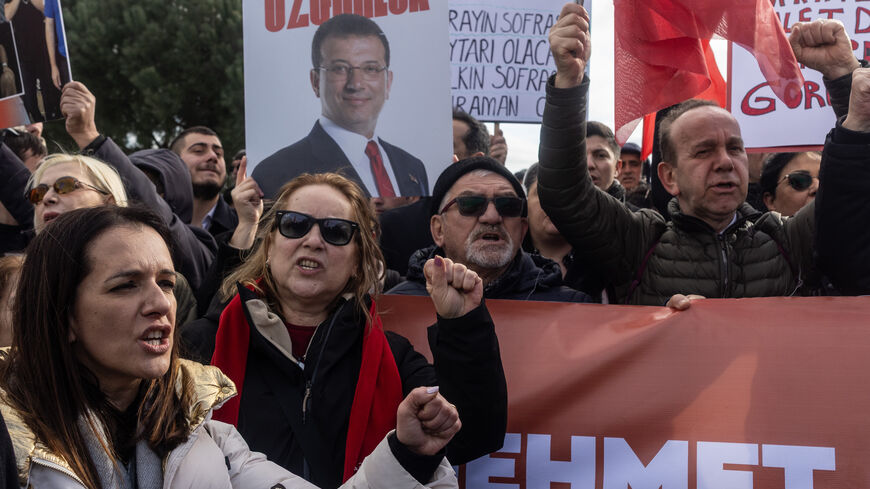
The ruling concerns main opposition Republican People's Party (CHP) deputies Mustafa Balbay, a prominent journalist imprisoned since 2009, and Mehmet Haberal, a well-known academic and doctor who founded Baskent University in Ankara and was also detained in 2009. Both were accused of being members of the Ergenekon, the shadowy group that allegedly planned to topple Erdogan and his government through unconstitutional means before it was discovered.
Haberal, who was released some months ago after four years and three months in detention, and Balbay, who remains in prison, are staunch Kemalist supporters of Turkey’s secular system and have been among the harshest critics of Erdogan and the Islamist AKP. Many Erdogan opponents believe the two men, like a large number of the other Ergenekon defendants, were arrested and tried for purely political reasons.
The case against Balbay rested on documents found on his computer’s hard drive as well as recorded conversations he had with various people. Overzealous prosecutors argued that the evidence proved he harbored unlawful intentions toward Turkey's democratically elected government. Balbay denied the charge, asserting that the alleged evidence is nothing but material he had gathered as a professional journalist and does not prove anything.
AL-MONITOR All-Access gives you unlimited access to all our journalism, the full Daily Briefing, exclusive interviews, premium newsletters, and live events — for less than $2/week.