Lebanese cleric offers moderate vision in 'Shiite Charter'
Moderate Shiite leaders from the region will soon issue a statement about a new vision of moderation.
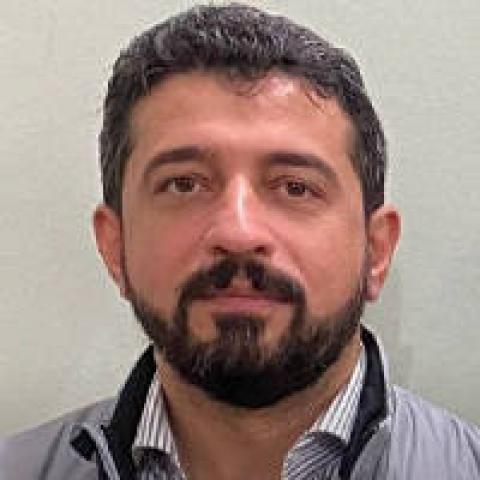

The moderate Shiite front has been much damaged in recent decades because of the pressure by Sunni and Shiite radicals from both sides. Shiite radicals regarded Shiite moderates as traitors who are harming the Shiite project from the inside. Similarly, Sunni radicals did not distinguish between Shiite moderates and radicals. Sunni radicals have an extremist religious vision according to which all Shiites are deemed apostates.
Now, after the losses incurred by the campaign and projects of radical political Islam, we are seeing the rise of moderate Shiite voices. There are also attempts to develop a broad-based social entity that organizes and develops this trend.
Historically, the Najaf seminary has represented the moderate face of the Shiite community. From there graduated many of the most prominent moderate Shiite figures, known as the generation of the Imam al-Khoei school of thought, which rejects the velayat-e faqih (Guardianship of the Jurist) doctrine and argues for separating religion from politics. The Khoei school has spread in Iran, Lebanon and the Gulf, alongside the spread of political Islam represented by the Shiite velayat-e faqih doctrine. And there is still a group of activist Shiite clerics in the Qom hawza (seminary of traditional Islamic school of higher learning) who are loyal to the Khoei school.
A number of figures from the Shiite revolutionary movements who backed by the Iranian revolution during the 1970s have joined the moderates after evaluating their experiences in jihad work. These figures have made historic bargains with the regimes in their home countries. The most prominent of them is Sheikh Hassan al-Saffar, one of the former intellectual leaders of Hezbollah-Hijaz; other prominent figures come from Saudi Arabia and Bahrain’s Shiite communities.


