Peace talks move to Palestinian refugee issue
Media reports indicate that the thorny issue of the right of return is being discussed at the US-brokered Palestinian-Israeli talks.
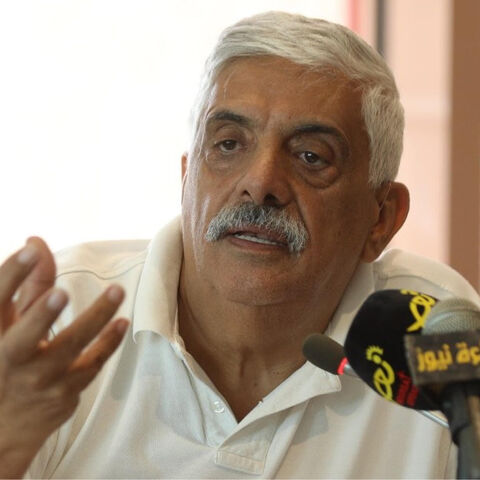

Although the United States has insisted to the Israelis and Palestinians that all five permanent-status issues are part of the US-brokered negotiations, it was only when an Israeli radio report mentioned the issue that the topic suddenly gained credibility in the eyes of many skeptics. The Palestine News Network ran a short translation from Israeli radio, confirming that US Secretary of State John Kerry had made reference to the issue of Palestinian refugees and that he had put forward four locations for their absorption.
Kerry’s suggestion no doubt reflects the various discussions, differences and understandings between Israel and the Palestinians. The Palestinians have repeatedly insisted that Israel acknowledge its historic and moral responsibility in creating the Palestinian refugee problem. Many expect that this issue, more than any actual agreement on numbers, could be the gateway to a breakthrough.
After the issue of who is responsible is resolved, it is understood that Palestinian refugees are to be given choices, including returning to their homeland in Palestine, staying where they are or going to certain third countries. The fourth option, which is highly contested, calls for some Palestinians to settle in Israel. The issue is finessed by having this small population absorbed over a number of years based on Israel approving it within the context of family reunification.
The Arab Peace Initiative dealt with the issue of refugees by citing UN Resolution 194, which calls for the right of return. The initiative perspective then added, however, that “an agreed” solution must be found. This key phrase gives the Israelis a virtual veto on any solution it does not consider acceptable.


