Arab-Israeli city Umm al-Fahm figures in Liberman's land-swap plan
Israel's foreign minister is pushing for attaching the town of Umm al-Fahm, synonymous in Israel with loyalty to the Palestinian cause, to the future Palestinian state.
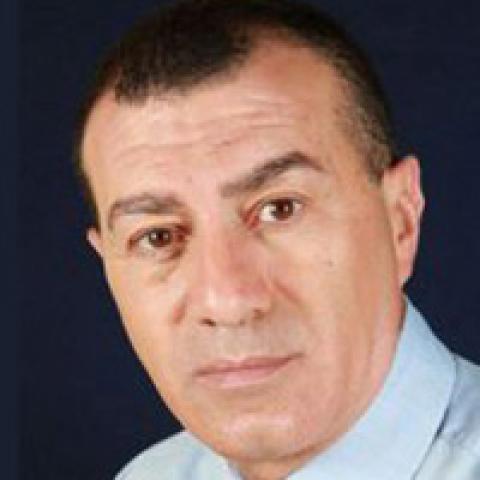

As if there were not enough obstacles facing the negotiators in the faltering talks between the Israelis and Palestinians, Israeli Foreign Minister Avigdor Liberman has added another stumbling block. At the Jan. 5 annual Foreign Ministry conference of Israeli ambassadors and after a meeting with US Secretary of State John Kerry, Liberman set a new condition.
“I will not support an accord unless it includes land and population swaps,” he announced. In case anyone didn’t get the point, Liberman went on to explain, “I am referring to the Triangle and Wadi Ara [concentration of Israeli Arab towns in the northern district of Israel]. I’m not talking about [population] transfer or [evacuation] as in disengagement; no one is being evicted from their homes and no one is being dispossessed of their possessions. Everyone will remain in place. Only the border will move in the direction of Road 6.”
Umm al-Fahm was officially recognized as an Israeli metropolis in 1984. Today, about 50,000 residents live there. The city’s name means "source of coal" because the city was once known for its coal deposits. But to many Israelis, the city bears the disgrace of being the hub of the Israeli-Arab struggle against the state of Israel.
On Oct.1, 2000, when the second intifada broke out, hundreds of Umm al-Fahm residents complied with the call of the High Follow-up Committee for Arab Citizens of Israel, and demonstrated in protest of the killing of Palestinians on the Temple Mount two days earlier. The demonstrations took place in all Arab-Israeli cities and villages, but Umm al-Fahm was viewed as the leader of the struggle. That was because of the city’s size and the fact that Umm al-Fahm residents blocked the Wadi Ara road — a key traffic artery near the city that connects Israel’s north and center.


