Brahimi resignation chance to strengthen UN
The resignation of Lakhdar Brahimi as UN special envoy to the Syria conflict should prompt re-examination of the UN system and the responsibility of government to protect.
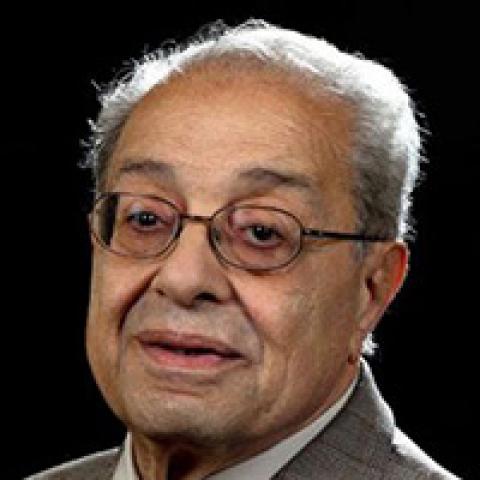

Kofi Annan and Lakhdar Brahimi, two highly distinguished representatives of the United Nations, both resigned as the special envoy seeking to resolve the crisis in Syria. While this is a serious disappointment for the international community in general, it brings to the forefront not only the complexity of that particular conflict, but also reflects how the privilege of the veto exercised by permanent members of the Security Council can undermine its peace-making role.
The May 13 resignation of Brahimi, a seasoned diplomat and a renowned statesman, should encourage a serious reexamination of the role of the United Nations in bringing about reconciliation when civil wars are enabled to self-perpetuate with immense and disastrous loss of life, especially among civilian populations, generally and women and children.
In other words, the United Nations has a global responsibility not only to speedily resolve conflicts, but also to prevent them through early warning systems for discerning potential crisis and to have at its disposal rapid deployment capabilities. The surge of conflicts that humankind is experiencing, or suffering, at this juncture in history highlights the urgent need to revise, reassess and rethink many aspects of the UN Charter and focus on introducing mechanisms for effective preventive diplomacy as well as rapidly applied enforcement measures, thus giving meaning to the concept of government’s responsibility to protect civilians.
It is sad to have two such distinguished international civil servants withdraw from their humanitarian mission, experiencing deep disappointment yet hopefully not disillusionment. While we can share in the painful agony of the failure to bring about reconciliation in Syria, as well as in many other places, it should represent an opportunity to endow the UN system with the power to enforce peace as well as to make peace. This does not mean advocacy for world government, but the simultaneity of globalization and fragmentation does require a speedy reassessment of the UN system and its role.


