Palestinians stumble on selection of foreign minister
The selection of a foreign minister is an unexpected stumbling block in the Palestinian reconciliation process.

The last thing anyone following the Palestinian reconciliation talks expected was to have the PLO and Hamas negotiators disagree on who should be the foreign minister in the six-month interim period preceding elections. Most expected trouble with agreement on the Interior Ministry (solved by having Prime Minister Rami Hamdallah double up as interior minister) or the Finance Ministry (solved by keeping on current Finance Minister Shukri Bishara).
Hamas has been extremely cooperative — some would say capitulating — in the reconciliation talks, but apparently balked on granting Palestinian President Mahmoud Abbas the trifecta of interior, finance and foreign ministries. Hamas spokesman Sami Abu Zuhri said on his Facebook page, according to the Ma'an News Agency, that the delay in the agreement is due to the naming of the foreign minister.
Foreign ministers are always in precarious positions: They are part of a cabinet, and therefore subservient to the prime minister, yet the president, who runs the country’s foreign policy portfolio, usually wants the foreign minister to report to him directly.
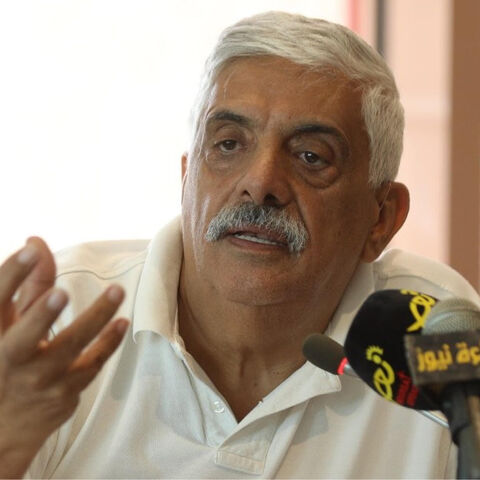
Riyad al-Malki has been a loyal foreign minister to Abbas since 2007, both under former Prime Minister Salam Fayyad and current Prime Minister Hamdallah. But Hamas and some members of the Fatah movement are opposed to Malki staying in his position. Malki — a former activist with the left-wing, secular Popular Front for the Liberation of Palestine and an outspoken advocate of nonviolence — doesn’t align with the profile of an Islamic resistance movement. Fatah activists who have seen Malki and Abbas circumvent many of their members when making crucial diplomatic postings quietly share Hamas' desire for anyone but Malki.


